
If you spend hours in your home office, your chair isn’t just furniture, it’s an investment in your back, neck, and productivity. Mesh office chairs have become the go-to choice for remote workers and DIY enthusiasts setting up functional workspaces. Unlike solid-backed chairs that trap heat and feel stuffy, mesh chairs offer breathability, affordability, and a surprisingly long lifespan when you understand what to look for and how to care for them. This guide walks you through choosing, using, and maintaining a mesh office chair that’ll support you through countless work-from-home days without breaking your budget.
Table of Contents
ToggleKey Takeaways
- A mesh office chair provides superior breathability and temperature control compared to solid upholstered chairs, making it ideal for remote workers spending 6–8 hours at a desk.
- Proper lumbar support with a 2–3 inch gap at your lower back is essential for comfort and spinal health; prioritize this feature over aesthetics when choosing a mesh office chair.
- Quality mesh chairs cost $150–$400 and typically last 5+ years, significantly outlasting budget options that lack essential ergonomic features like adjustable armrests and tilt tension.
- Weekly vacuuming and monthly vinegar-water wipes keep your mesh clean, while regular bolt tightening, caster maintenance, and gas cylinder replacement are simple DIY fixes that extend chair lifespan.
- When evaluating mesh office chairs, verify the mesh covers both the backrest and seat pan at full height, and test the chair for at least 5 minutes to confirm airflow and comfort.
Why Mesh Office Chairs Are Perfect for Home Offices
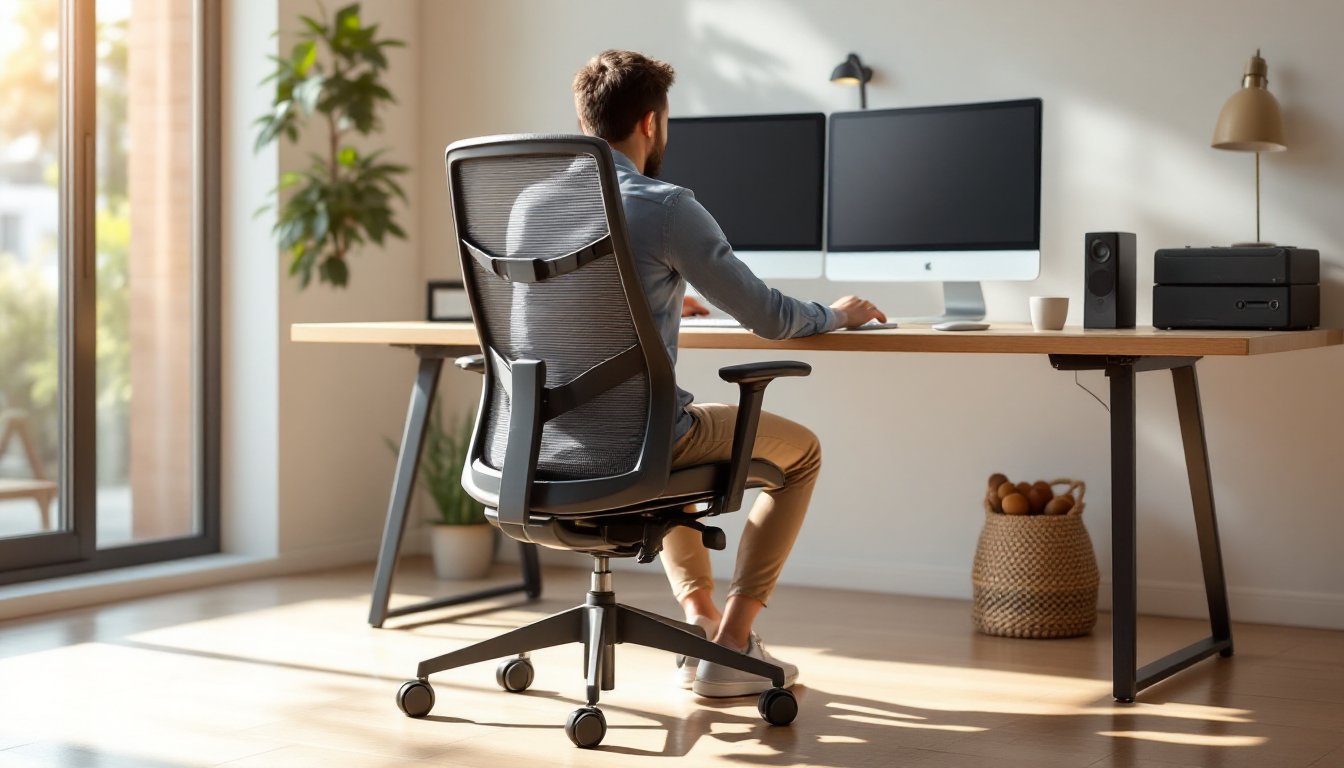
Mesh office chairs solve a problem that solid upholstered chairs create: heat buildup during long sitting sessions. The open weave of mesh fabric allows air to circulate freely around your back and seat, keeping you cool whether you’re working in summer heat or a room without strong air conditioning. For a home office where you’re spending 6–8 hours in one spot, that difference is noticeable and genuinely improves comfort over the course of a workday.
Beyond temperature control, mesh chairs are lightweight and easy to move around your workspace. If you’re rearranging your office or need to shift your desk setup, a mesh chair won’t require the effort of moving a heavy leather or fabric upholstered piece. They’re also more forgiving on your wallet. A decent mesh office chair with proper lumbar support typically costs $150–$400, compared to $400–$800 for premium fabric or leather seating with equivalent ergonomic features.
Mesh is also more practical for busy home offices where spills happen. A quick wipe with a damp cloth or vacuum attachment removes dust and minor stains without the fussiness of treating fabric. And here’s the honest part: mesh sits somewhere between “looks professional” and “casual home setup.” If you’re on video calls regularly, it reads as a legitimate workspace chair, not a gaming rig or lounge piece.
Another reason mesh chairs excel in home offices is durability. Quality mesh won’t pill or wear thin the way fabric can after a year of use. The material is designed to handle constant friction from sitting and adjusting position. That said, the frame and mechanisms (armrests, tilt function, height adjustment) are where failures typically occur, more on maintaining those later.
Key Features to Look for When Choosing a Mesh Office Chair
Picking a mesh office chair isn’t about finding the prettiest one in a catalog. Focus on how it’ll perform during an 8-hour workday and how it’ll hold up over 3–5 years of use.
Breathability and Temperature Control
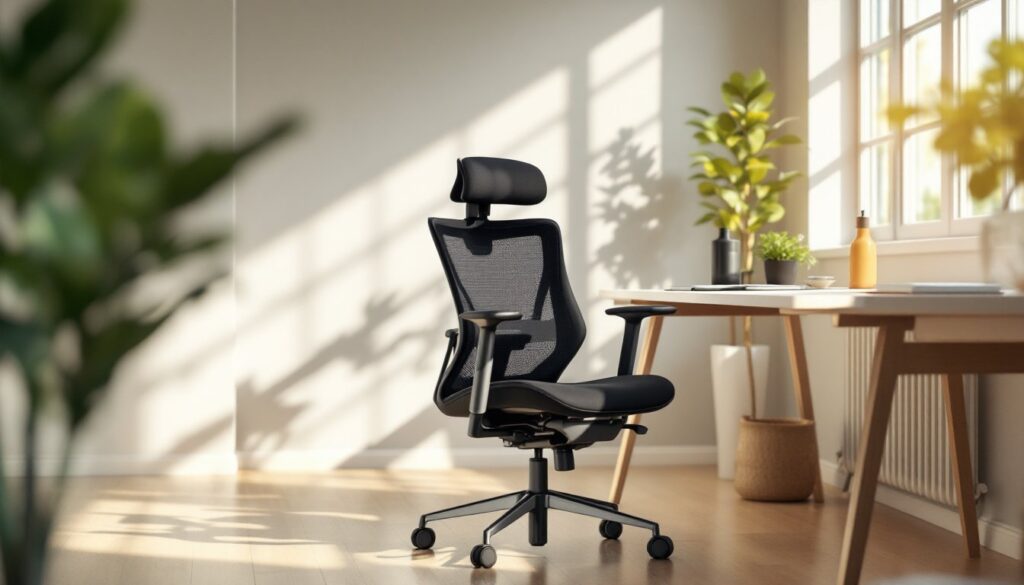
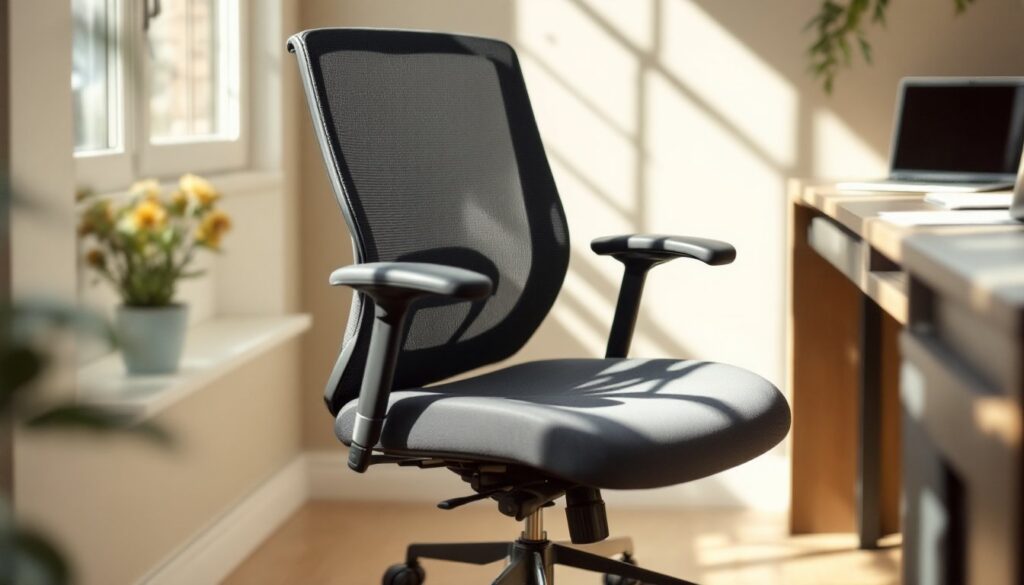
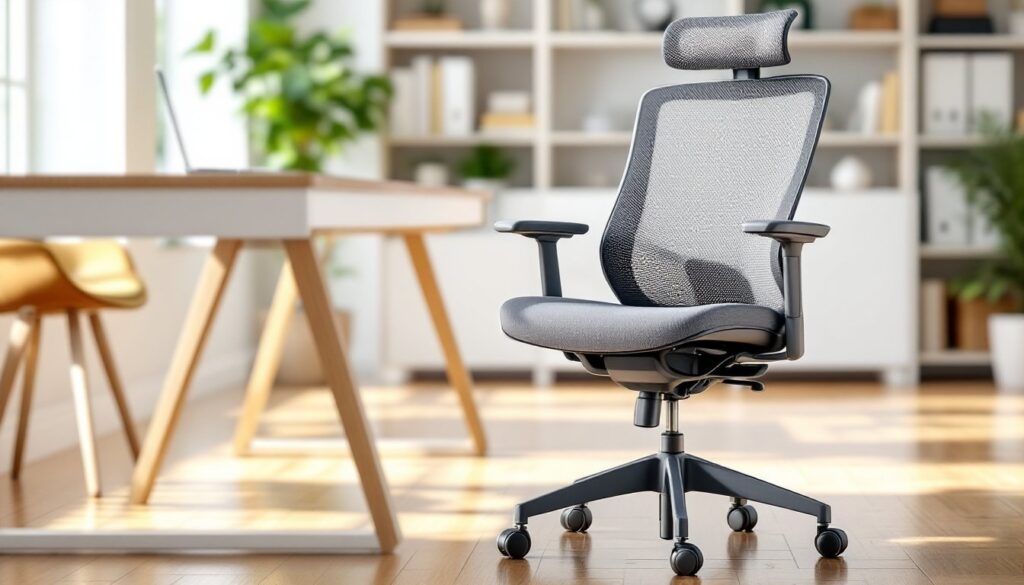
Not all mesh is created equal. High-density mesh (tighter weave) provides more support but less airflow, while low-density mesh (looser weave) feels cooler but can sag over time. Most quality office chairs use a medium-density mesh that balances breathability with durability. Check if the mesh covers both the backrest and seat pan, chairs that skimp on seat mesh tend to trap heat and moisture where it matters most.
Look for mesh that extends down the full height of the backrest. Some cheaper chairs have mesh only on the upper back, leaving your lower back and lumbar area against plastic or thin padding, defeating the whole point. When you’re comparing chairs online or in a showroom, sit in the chair for at least 5 minutes. You should feel air moving across your back, not heat building up. If your home office gets toasty in summer, this feature is non-negotiable.
The color of the mesh also affects temperature perception. Black or dark gray mesh absorbs light and can feel warmer than light gray or beige mesh, which reflects heat. It’s a small detail, but if your office faces south-facing windows, it’s worth considering.
Lumbar Support and Ergonomic Design
This is where most budget office chairs fall short, and it’s worth spending a bit more to get right. Lumbar support refers to the way a chair supports your lower spine’s natural curve. Without proper support, you’ll round your lower back during long sitting, which leads to soreness and even long-term spinal issues.
When evaluating lumbar support, look for either:
- Built-in lumbar curve: The chair’s backrest is molded with a slight curve that matches your spine’s shape. This is the easiest for a home office user because there’s nothing to adjust or lose.
- Adjustable lumbar support: A dial or lever lets you tighten or loosen a lumbar cushion. This is more flexible if multiple people use the chair, but one more mechanism that can fail or get left in the wrong position.
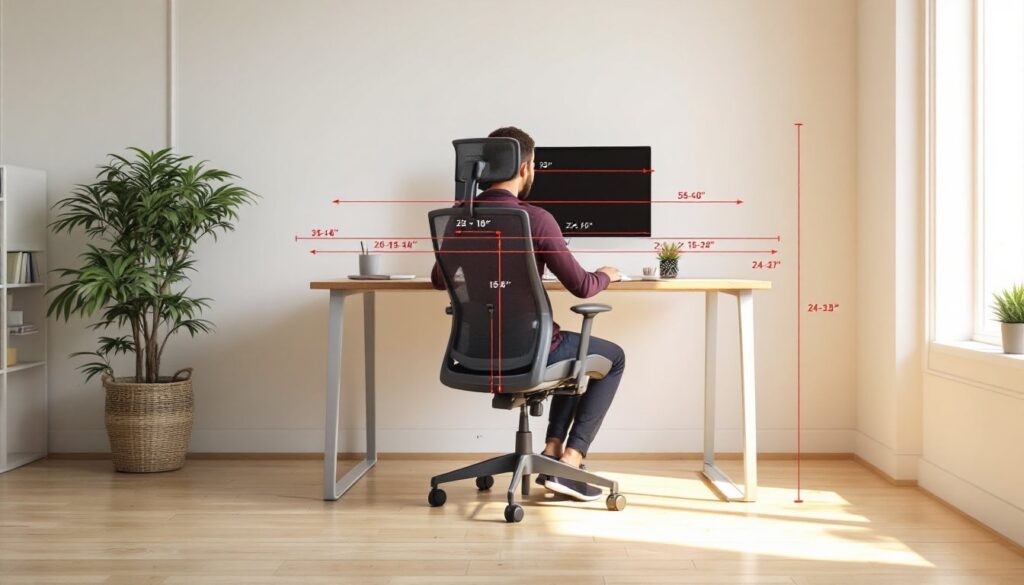
Sit in the chair and slide your hand behind your lower back. There should be a gap of about 2–3 inches at your lumbar spine. If the backrest is flat, your spine has to work harder to stay upright, and you’ll feel fatigue by 3 p.m.
Beyond lumbar support, pay attention to seat height range, armrest adjustability, and tilt tension. If you’re 5’2″, a chair that doesn’t lower enough will leave your feet dangling, straining your legs. If you’re 6’2″, you need a taller backrest. Armrests should be adjustable to match your desk height, rigid armrests that are too high or too low will create shoulder tension over time. And tilt tension should be adjustable so the backrest doesn’t feel like it’s pushing you forward or collapsing back too easily.
Budget mesh chairs often ignore these details, so read reviews specifically about how long users can sit comfortably before discomfort sets in. If reviews say “feels great for 2 hours but gets uncomfortable after that,” that’s telling you the lumbar support is insufficient.
How to Maintain and Clean Your Mesh Office Chair
A mesh office chair will easily last 5+ years with basic maintenance, and could fail in less than a year if you ignore early warning signs.
Cleaning the mesh is the easiest part. Vacuum the mesh weekly using an upholstery attachment to remove dust and particles that settle into the weave. Once a month, wipe the mesh with a cloth dampened in a solution of equal parts white vinegar and water. This keeps the mesh fresh and removes odors without using harsh chemicals that can degrade the material. For stubborn stains, a tiny dab of mild dish soap on a damp cloth works. Rinse thoroughly with a clean damp cloth afterward, soap residue will attract more dust.
Avoid high-pressure water sprays or dry cleaning solvents, which can damage the mesh structure or leave chemical residue. Don’t bleach the mesh, even if it yellows over time: that’s normal and doesn’t affect function.
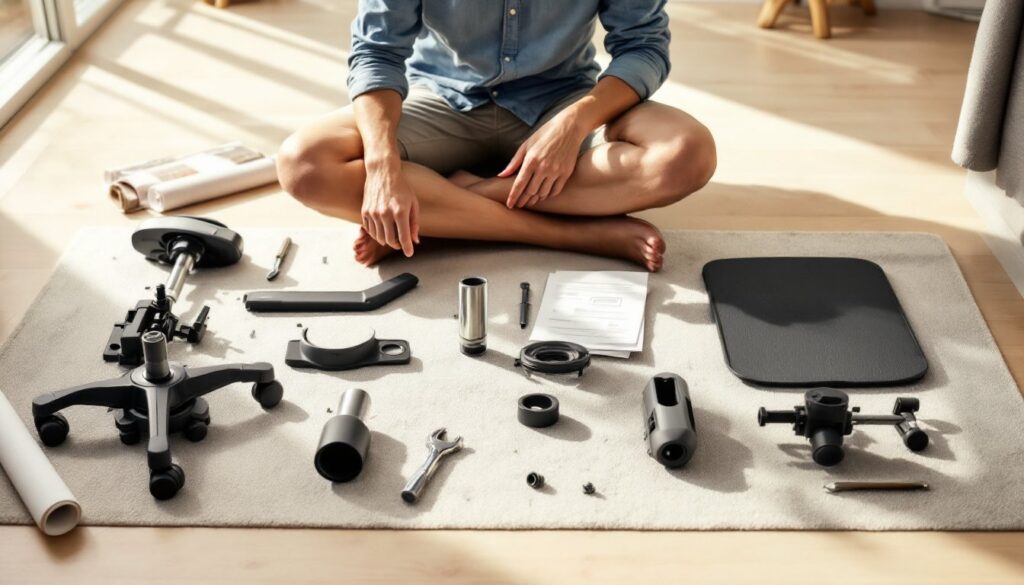
Check the frame and mechanisms every 3 months. Push down on the seat and listen for creaking. Spin the chair slowly and feel for wobbling. If you notice any movement, the issue is usually a loose bolt at the base or where the backrest connects. Use an appropriate wrench or Allen key (most mesh chairs use 5mm hex bolts at major connection points) to tighten each joint. Don’t over-tighten, you’ll strip the threads: snug is enough.
If your chair has a pneumatic height adjustment cylinder (the gas cylinder that lets you push a lever to raise and lower the seat), it will eventually lose pressure. A chair that no longer stays at the height you set is losing gas from that cylinder. Replacement cylinders are cheap ($30–$60) and easy to swap, remove the seat pan (usually 4 bolts underneath), pop out the old cylinder, and slide in the new one. This is a solid 10-minute DIY fix.
Armrests are high-wear areas because you’re constantly resting your arms on them. If they wobble, check where they bolt to the backrest. Tighten those bolts first. If tightening doesn’t help, the mounting bracket may be cracked, a $15–$25 replacement part that requires removing a few bolts.
Keep liquids away from the base and underside of the seat, where the tilt mechanism and casters (wheels) live. If you spill coffee or water, immediately wipe the area dry. Water trapped in the tilt mechanism will eventually corrode internal springs and make the tilt adjustment stick or fail.
Casters wear faster on hard flooring than on carpet. If your chair rolls sluggishly or won’t move smoothly, the caster wheels may be clogged with hair and dust. Flip the chair upside down and inspect each wheel. Clean the wheels with a damp cloth and rotate them by hand to check for drag. If a wheel doesn’t spin freely, replace it. Most mesh chairs use standard 5-inch stem casters that cost $10–$15 each and take 30 seconds to pop off and on.
Store your mesh chair out of direct sunlight when not in use for extended periods. UV light will eventually bleach and weaken mesh fibers, though this takes years. In a typical home office, this isn’t a concern.
Conclusion
A good mesh office chair is one of the smartest purchases you can make for your home workspace. Focus on breathability, lumbar support, and adjustability rather than looks, and you’ll have a chair that keeps you comfortable through 8-hour workdays and lasts years of heavy use. With regular cleaning and basic maintenance, tightening bolts, replacing worn casters, and monitoring the height adjustment mechanism, you’ll avoid the frustration of a collapsing office chair mid-project. Spend the time upfront choosing the right features, and your back (and productivity) will thank you.