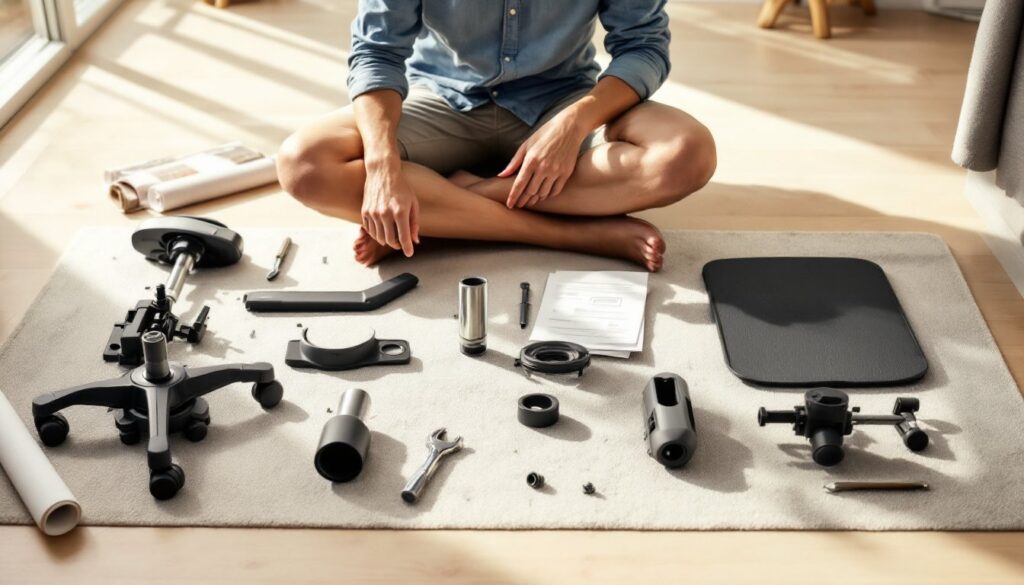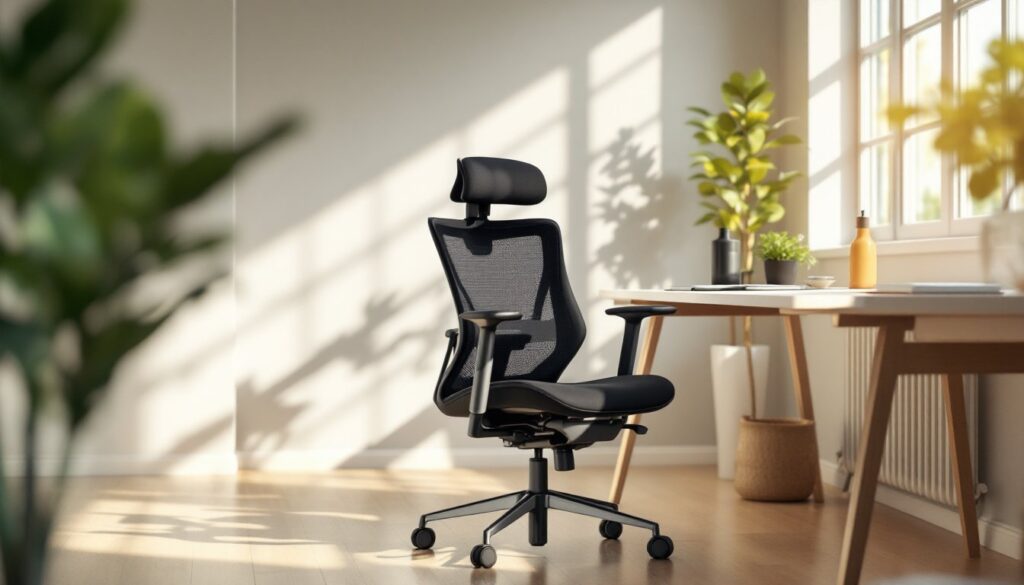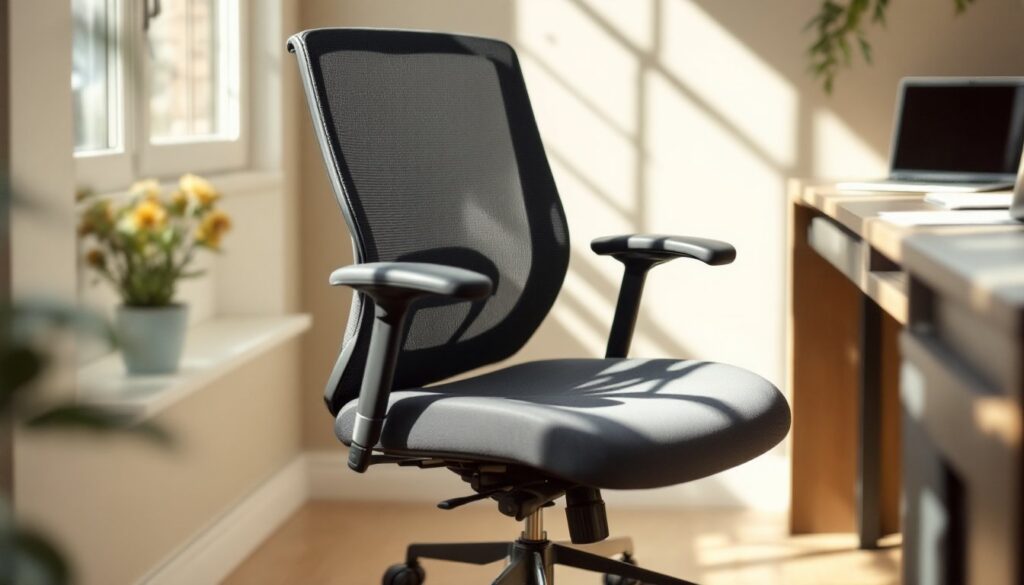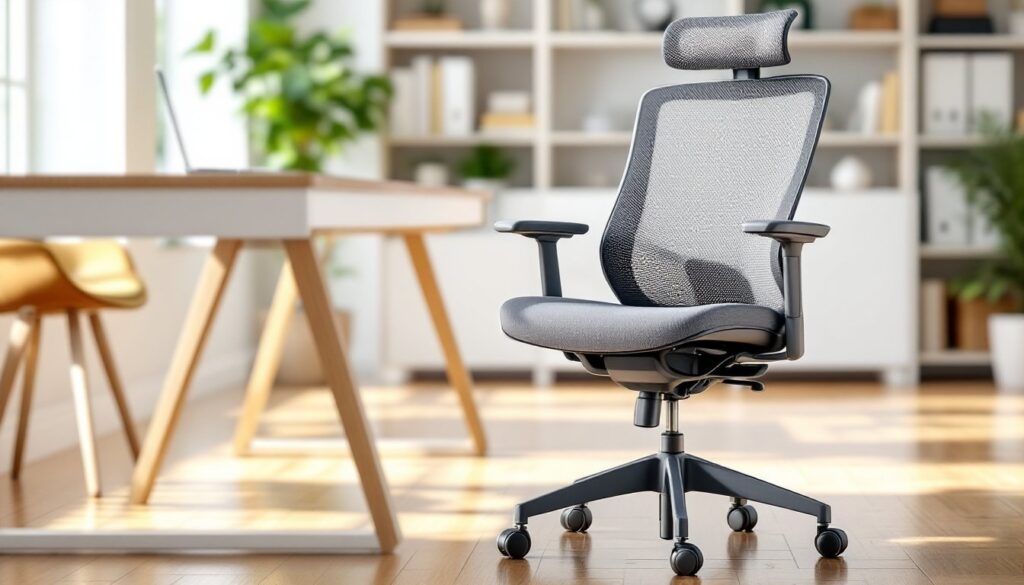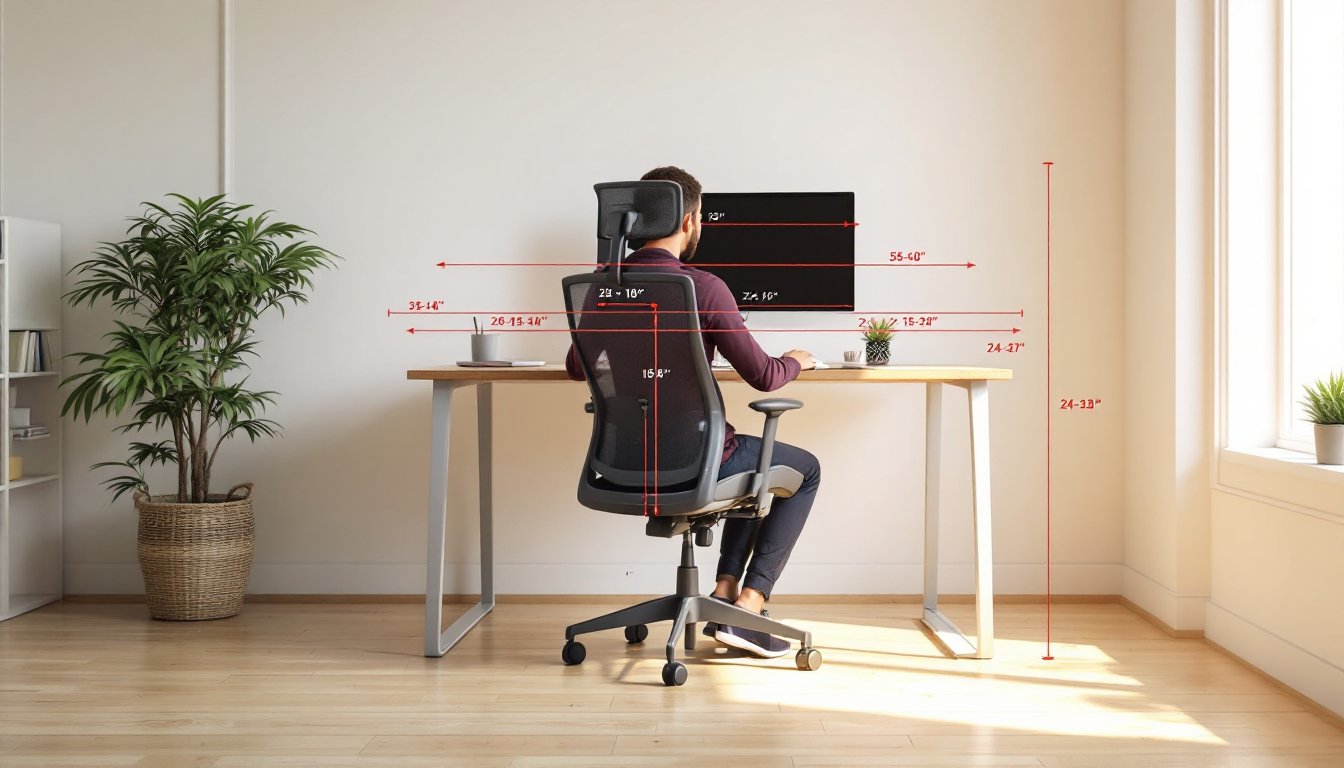

Getting the wrong office chair size is like wearing shoes two sizes too small, you’ll notice it immediately, and it gets worse the longer you sit. Whether you’re setting up a permanent work-from-home desk or upgrading your home office, understanding office chair dimensions is the difference between a chair that feels right and one that leaves you sore by 3 p.m. This guide walks you through the standard measurements every homeowner should know, how to measure your space, and the critical steps for matching a chair to your body. We’ll skip the marketing jargon and focus on the practical specs that actually matter.
Table of Contents
ToggleKey Takeaways
- Office chair dimensions directly impact posture, back pain prevention, and long-term comfort during extended work-from-home sessions.
- Standard office chair measurements include seat height (17–21 inches), seat depth (15–18 inches), and backrest height (12–30 inches depending on style).
- Your knees should bend at 90 degrees with feet flat on the floor, and you need 2–3 inches of clearance between the seat edge and the back of your knees to prevent circulation issues.
- Before purchasing, measure your workspace to ensure at least 36–40 inches of clearance behind your desk and verify total chair height (40–50 inches) against ceiling obstacles.
- Match office chair dimensions to your body by considering height, inseam, torso length, and weight capacity rather than assuming one-size-fits-all sizing works for everyone.
- Test pneumatic height adjustment and tilt mechanism in person when possible, or carefully review 6–12 month durability reviews before buying online to avoid costly returns.
Why Office Chair Dimensions Matter for Your Workspace
An ill-fitting chair doesn’t just feel bad, it contributes to lower back pain, neck strain, and poor posture that can compound over months of work-from-home days. Most people underestimate how much time they actually spend seated: if you’re working 8 hours daily, that’s nearly one-third of your life in one chair. The right dimensions ensure your elbows sit at 90 degrees, your feet rest flat on the floor, and your screen aligns with your eye level.
The catch is that office chair sizing is highly personal. Someone 5’4″ has totally different needs than someone 6’2″, yet many chairs come in one size. When you understand the key measurements, seat height, seat depth, backrest height, and armrest placement, you can evaluate any chair before you buy, not after delivery day when it’s too late.
Standard Office Chair Measurements to Know
Before you shop, familiarize yourself with the dimensions that show up in every product spec sheet.
Seat Height and Width Specifications
Seat height is measured from the floor to the top of the cushion when the chair is in its lowest position. Standard office chairs range from 17 to 21 inches in seat height: this is where most homeowners get hung up. A chair with adjustable pneumatic height (the gas cylinder under the seat) typically offers a range of 4–5 inches of travel. For most people, when seated with feet flat on the floor, your knees should bend at roughly 90 degrees: your thighs should be parallel to the floor.
Seat width, the left-to-right dimension of the cushion, typically falls between 16 and 20 inches. Wider people need more real estate, but a seat that’s too wide throws your posture off-center. Seat depth, measured front to back, usually ranges from 15 to 18 inches. You want about 2–3 inches of space between the front edge of the seat and the back of your knees when you’re seated: this prevents pressure on your thighs and circulation issues during long work sessions.
Backrest Height and Depth
Backrest height is the vertical dimension of the seatback itself, not the total chair height. A low-back chair offers around 12–16 inches of height and typically covers your lower and mid-back but leaves your shoulders exposed. A mid-back design reaches 20–26 inches and supports most of your spine. High-back chairs extend 26–30 inches or more, often including a headrest or neck support.
For home office work, a mid-back chair is usually the sweet spot unless you’re frequently leaning back in recline mode. Backrest depth, the front-to-back thickness of the cushion, typically measures 4–6 inches. A deeper backrest distributes pressure more evenly and feels more supportive during long sessions. The curve of the backrest matters too: look for lumbar support that matches the natural inward curve of your lower spine, not a flat panel.
Measuring Your Space Before Buying
Your chair won’t look right if your workspace is too cramped. Before ordering, measure your desk area and account for the chair’s footprint.
Most office chairs have a base width of 24–27 inches (measured across the wheels or legs). You need a minimum of 36–40 inches of clearance behind your desk so you can roll back and move freely without hitting a wall, bookshelf, or window. If your office nook is tight, measure twice and check the exact base dimensions in the product specs, some ergonomic and gaming chairs have wider wheelbases.
Check the total chair height from floor to top of the backrest, which typically ranges from 40–50 inches depending on the backrest style and whether a headrest is included. If your ceiling is 8 feet (96 inches), you’ll be fine, but if you have a low soffit, sloped ceiling, or tall doorway, recline the chair to its lowest position and visually confirm clearance. The armrest height matters too: measure from the floor to your desk surface. Standard armrests sit 8–10 inches above the seat cushion, placing them roughly 25–28 inches from the floor on a typical chair. Your arms should rest on the armrests with your shoulders relaxed and your elbows at 90 degrees: if the armrests are too high or too low, you’ll adjust your posture, which defeats the purpose. Many quality chairs let you adjust or remove armrests, a practical solution if your desk height is unusual. You can also reference key measurements to help design the perfect home office for additional spacing and layout guidance.
How to Choose the Right Chair Size for Your Body
Matching chair dimensions to your body is as important as fitting a pair of jeans, one size genuinely does not fit all. Manufacturers often base sizing on percentile ranges, but the best approach is direct measurement and sitting tests.
Start with your height and inseam. If you’re under 5’4″, look for chairs with seat heights under 18 inches and narrower seat widths (16–17 inches). Someone in the 5’8″–6’0″ range typically fits standard dimensions (18–20 inch seat height, 17–19 inch width). Taller individuals (6’2″ and up) should hunt for extended sizes with seat heights of 20–21 inches and deeper seat depths to accommodate longer thighs.
Your torso length matters separately from your total height. A person with a long torso but short legs may need a higher seat but lower backrest, while someone with short legs and a long torso needs the opposite. If you can, sit in chairs before buying. If shopping online, check return policies carefully: many retailers offer 30-day returns specifically because sizing mismatches are common.
Weight capacity is a real spec, not marketing. Every chair has a maximum load rating, typically ranging from 250 to 400+ pounds. This isn’t body shaming, it’s engineering. A chair rated for 250 pounds will sag and fail faster if consistently overloaded. Heavy users should verify this spec upfront. Some quality brands offer extended-range models designed for higher weight capacities without sacrificing comfort or longevity.
Test the pneumatic height adjustment in person if possible. It should feel smooth and stable, with no creaking or abrupt drops. The tilt mechanism (the lever that lets you recline) should offer resistance you can control: if it’s too loose, your chair will collapse back unexpectedly. If you’re buying sight-unseen, read reviews specifically mentioning durability and adjustment quality. Look for patterns in how people describe the chair after 6–12 months of heavy use. IKEA Hackers showcases creative budget-friendly modifications if you’re thinking about customizing an affordable base chair to fit your needs better.
Conclusion
Office chair dimensions are not one-size-fits-all, and skipping this step often leads to buyer’s remorse and physical discomfort. Measure your space, know the standard specs (seat height, depth, and width: backrest height and support), and honestly assess your body’s needs. When dimensions align with your desk height, workspace, and personal measurements, a good chair feels invisible, you’re focused on work, not fidgeting because something hurts. Take the time upfront, and you’ll spend months comfortable instead of months sore.