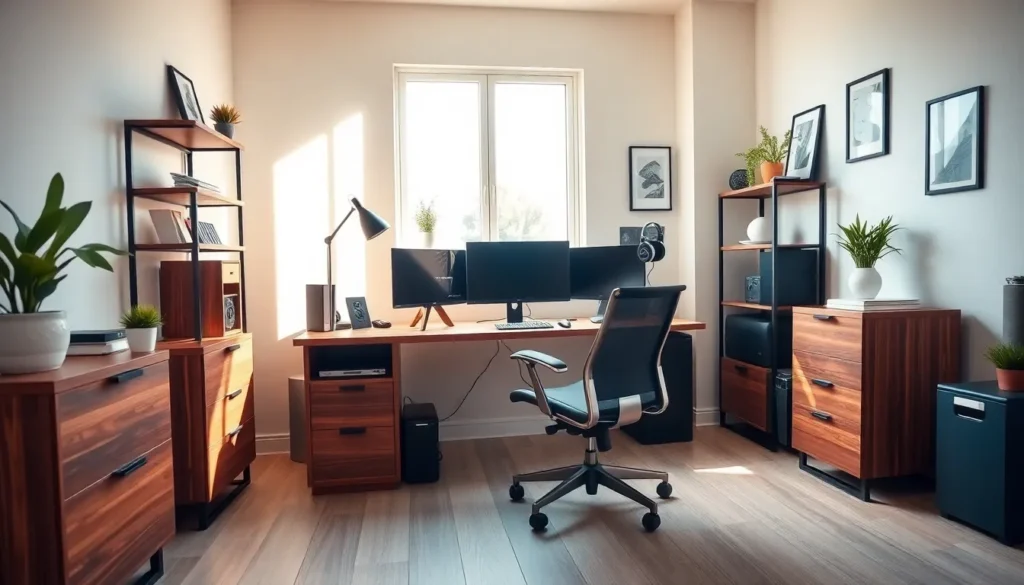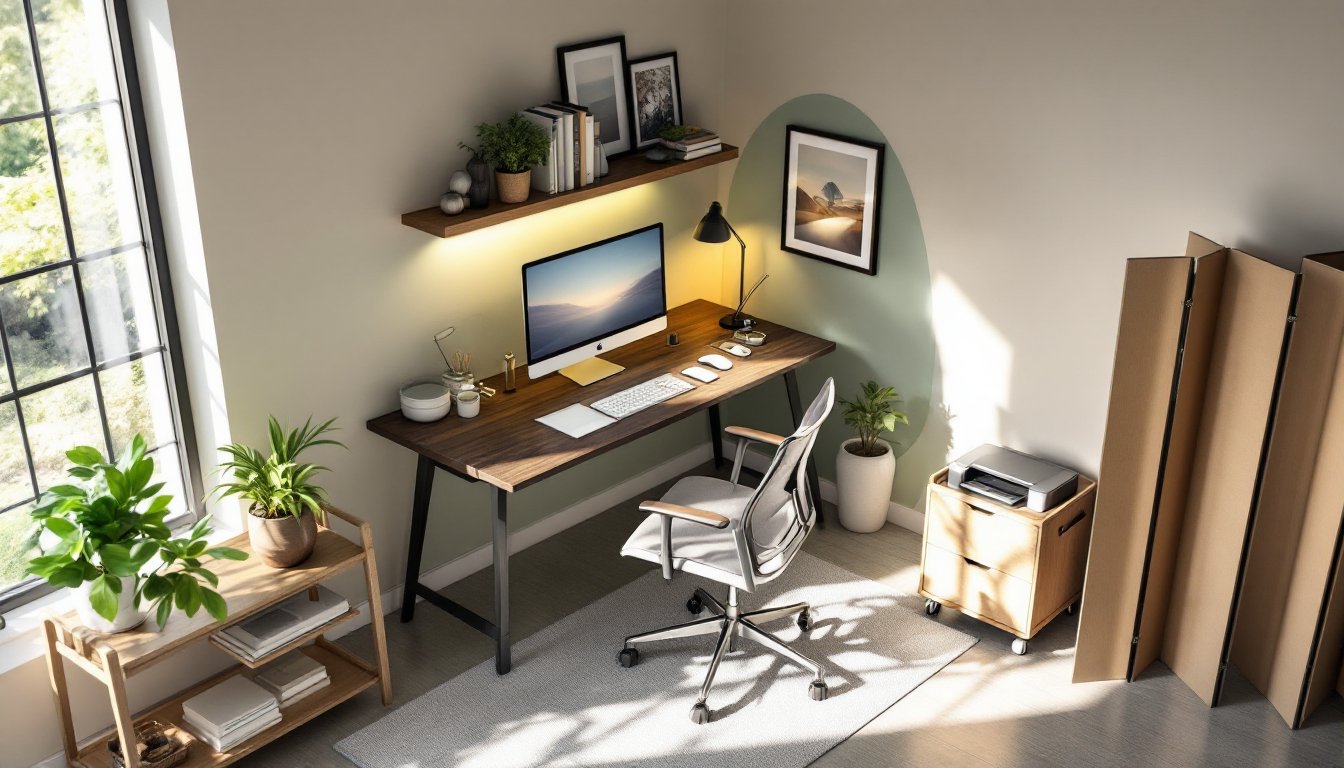

Setting up a small office at home doesn’t mean compromising on productivity or comfort. Whether you’re transitioning to remote work or squeezing a workspace into a spare corner, a thoughtfully designed small office home office can rival any traditional workspace. The key is making smart furniture choices, selecting the right equipment, and organizing your environment for focus, not fighting against your setup every day. This guide walks you through the practical decisions that transform a cramped closet or corner into a functional SOHO (small office/home office) that actually works.
Table of Contents
ToggleKey Takeaways
- A small office home office succeeds through smart furniture choices like wall-mounted desks and vertical storage, not square footage.
- Proper ergonomics—desk height at 29–30 inches, monitor at eye level, and a supportive chair—are essential even in compact workspaces.
- Position your desk perpendicular to windows or near room entrances to reduce glare, distractions, and create psychological boundaries between work and home zones.
- Layered lighting with full-spectrum LEDs (4000K–5000K) combined with task lamps significantly improves focus and reduces eye strain.
- Budget-friendly DIY solutions like accent wall painting, floating shelves, and repurposed storage containers transform a small office home office without expensive upgrades.
- Visual boundaries such as folding screens or hanging dividers, paired with intentional decor and organization, maintain focus and signal ‘do not disturb’ in shared home spaces.
Maximizing Limited Space With Smart Furniture Choices
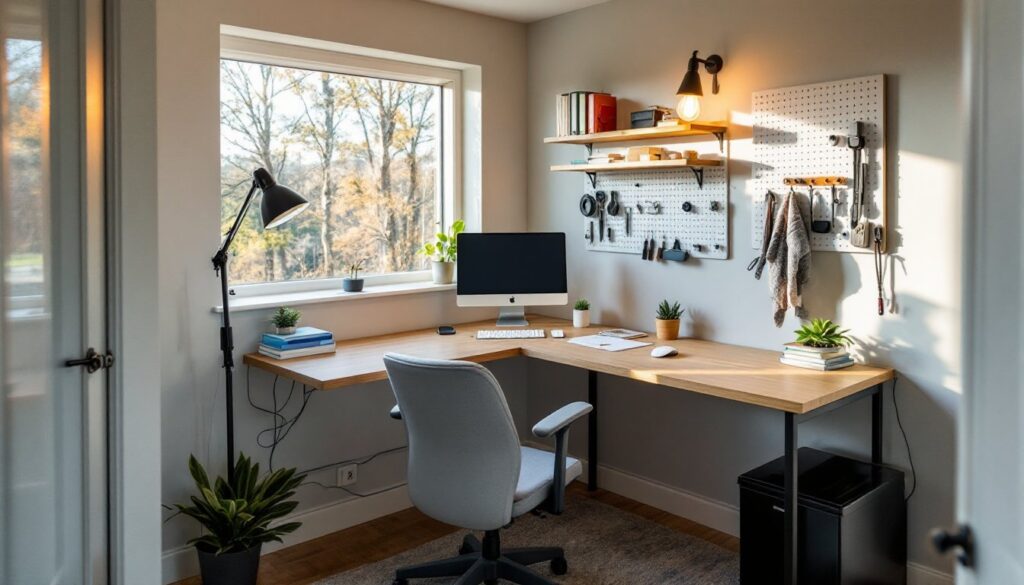
The foundation of any small office home office is choosing furniture that pulls double duty. A wall-mounted desk eliminates the need for a bulky base, freeing up floor space and making the room feel larger. If wall-mounting isn’t an option, a small desk for home office measuring 36 to 48 inches wide fits neatly into most corners without consuming the entire room.
Vertical storage is your best friend in tight quarters. Floating shelves above the desk hold reference books, supplies, and decorative items without taking up floor space. A tall, narrow bookcase works better than a low, sprawling credenza. Wall-mounted cabinets or pegboards keep frequently used tools visible and within arm’s reach.
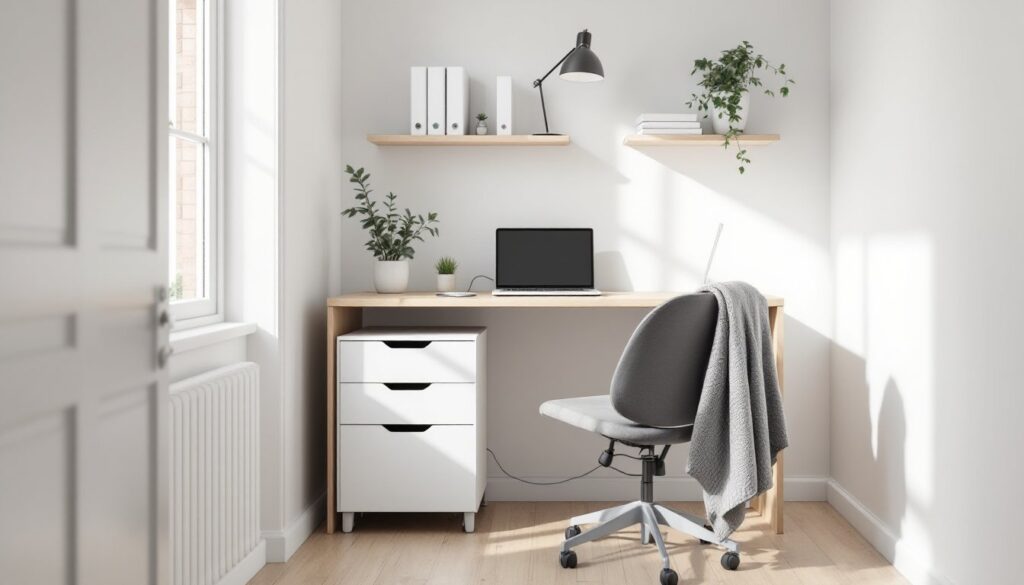
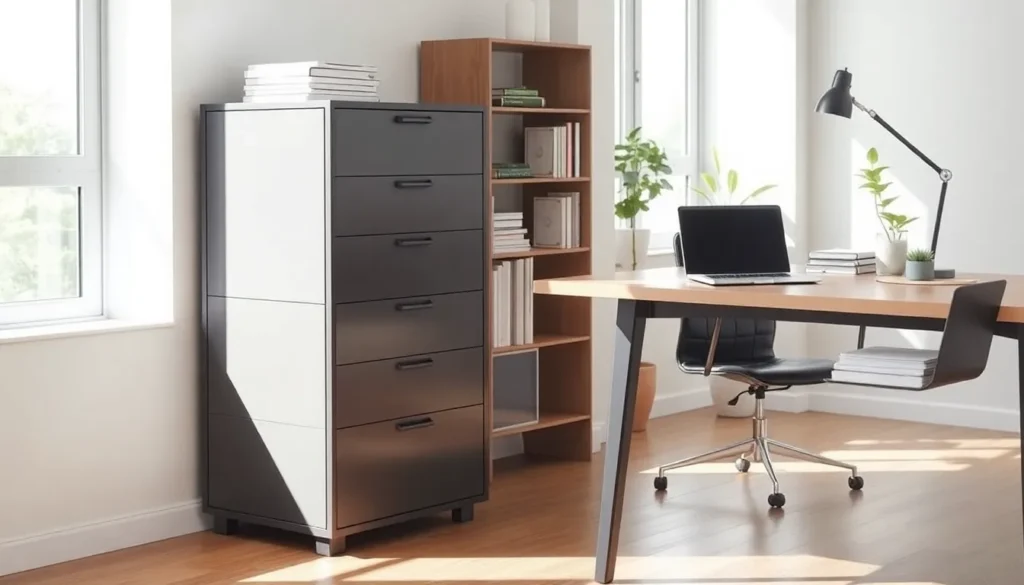
Consider furniture with built-in storage: desks with shelving underneath, office chairs with side pockets, or nesting tables that collapse when not needed. The goal is eliminating separate filing cabinets or shelving units that eat square footage. If paper management is necessary, a compact file cabinet for your home office tucked under the desk keeps documents organized without dominating the space.
Essential Equipment and Tech for Your SOHO Workspace
Your small office home office needs reliable basics: a monitor (or two, if desk space allows), a keyboard, mouse, and a laptop stand if you’re using a laptop as your primary machine. For video calls, a ring light or a desk lamp positioned at eye level prevents harsh shadows that tire viewers.
Wireless equipment reduces cable clutter, a major visual and functional burden in small spaces. A mesh Wi-Fi system or a dedicated router near your desk ensures stable internet without visible cables snaking across walls. Keep power strips and surge protectors out of sight by mounting them on the desk’s underside or routing them along baseboards.
Creating an Ergonomic Foundation
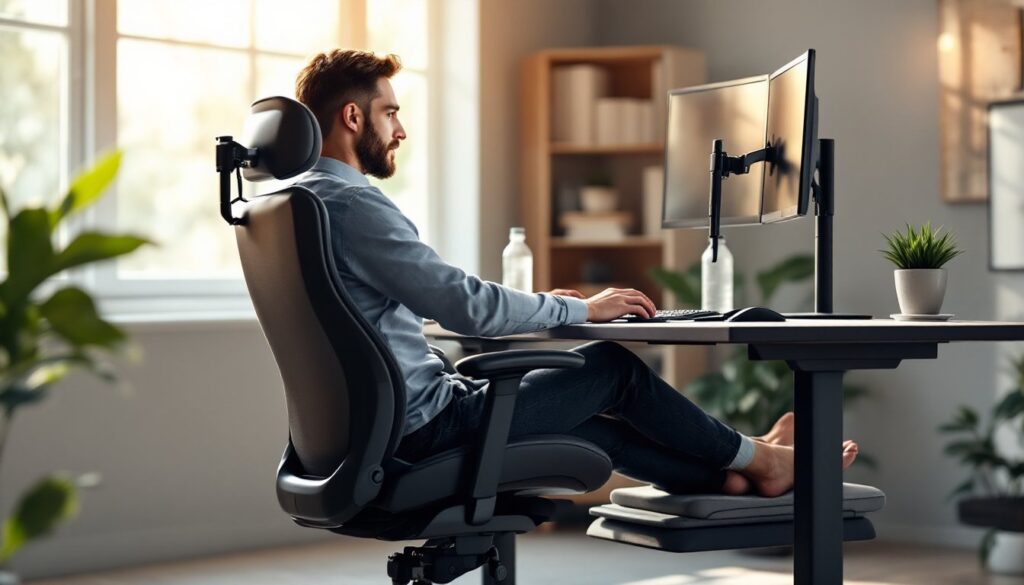
A small space doesn’t justify poor ergonomics. Your desk should be approximately 29 to 30 inches high (standard height), with your monitor at eye level about 20 to 26 inches away. Your elbows should rest at 90 degrees when typing. An adjustable office chair, even a mid-range model, is worth the cost. If budget is tight, a firm cushion on a basic chair beats slouching in an expensive but unsupportive seat.
If you’re using a wall-mounted desk without legroom underneath, pair it with a small under-desk footrest to reduce strain on your lower back during long work sessions. Sound dampening is often overlooked in small offices: a desktop sound panel or acoustic foam behind your monitor reduces echo during calls and minimizes distractions from household noise. Recent home tech trends highlight the growing importance of acoustic comfort in home workspaces.
Layout Strategies That Boost Productivity and Comfort
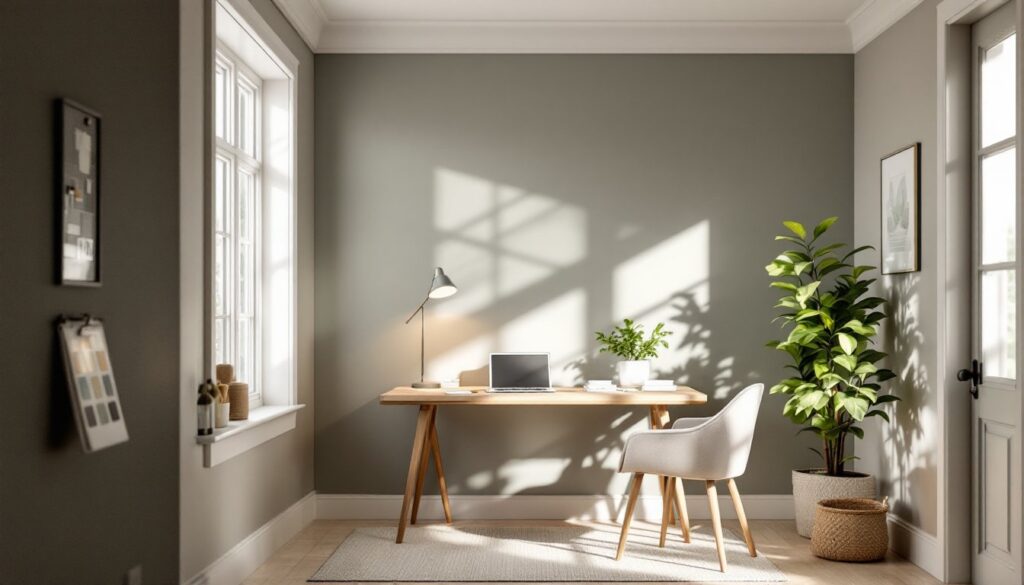
Position your desk perpendicular to windows rather than facing them directly, you’ll get natural light without glare on your screen. If your small office home office has no windows, place the desk near the room’s entrance. This positioning gives you a sightline to the door, reducing jump-scares from household members and creating a subtle psychological boundary between work and home zones.
Keep your most-used items within arm’s reach: phone, notepad, pens, and water bottle. Everything else gets stored or moved to a secondary surface. A small side table or a rolling cart (18 to 24 inches wide) provides extra surface for printers, supplies, or daily tasks without permanently consuming desk real estate. The cart rolls away when you need the space back.
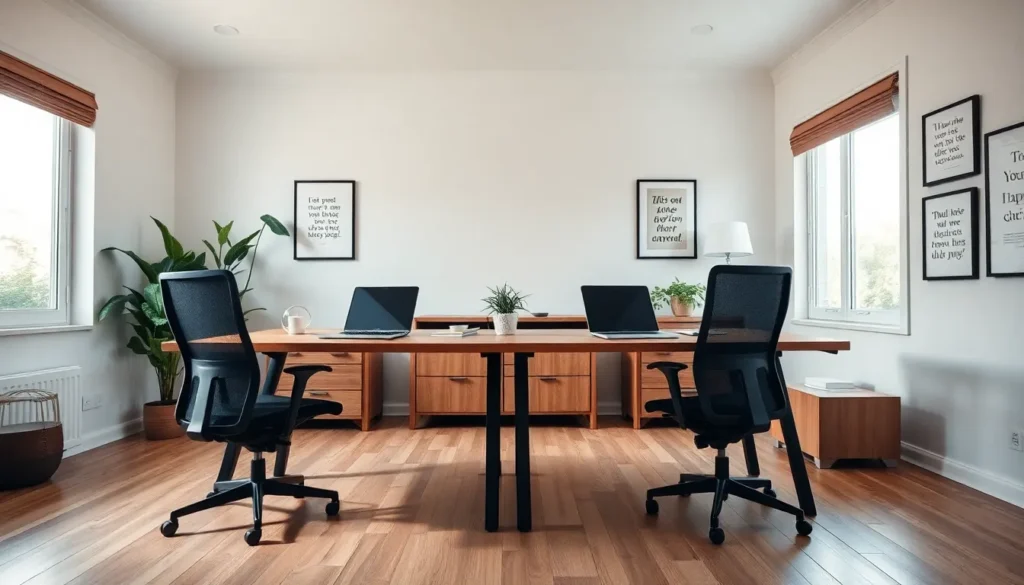
Don’t place your desk directly under an air vent or in a high-traffic zone where family members constantly pass by. Ambient noise and interruptions destroy focus faster than poor lighting. If you’re sharing your small office home office space or working in a shared home, a folding screen or hanging fabric divider visually separates your workspace and signals “do not disturb” to others. Home office ideas for small spaces often emphasize this boundary-setting approach.
Lighting, Decor, and Ambiance for Focus
Lighting is non-negotiable for productivity and mood. Natural light is ideal, but if that’s not available, full-spectrum LED bulbs (4000K to 5000K color temperature) mimic daylight and reduce eye strain. A desk lamp with adjustable brightness lets you dial in the right intensity throughout the day. Avoid harsh overhead lights alone: layer ambient light with task lighting.
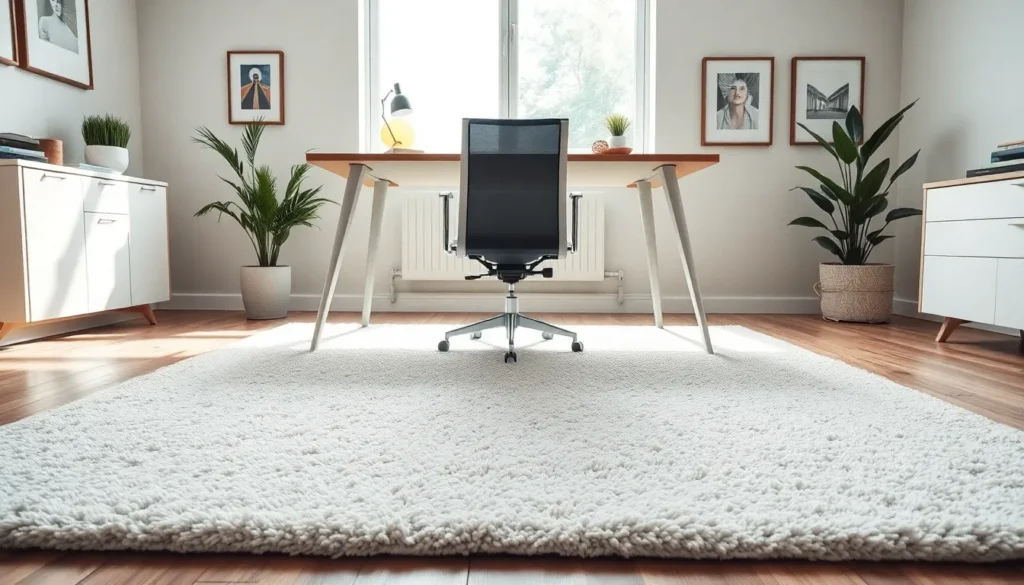
Decor matters more than you’d think. A small office home office that feels bland drains motivation. One or two framed prints, a small plant, or a carefully chosen rug adds personality without visual chaos. Neutral wall colors expand the sense of space: if you want color, use it on one accent wall or through removable wallpaper or paint. Avoid overstuffing shelves or hanging too many items, whitespace in a small room feels restful, not empty.
Ambiance also includes sound. Background music, white noise, or nature sounds from a Bluetooth speaker can mask household distractions. Some people focus better with low-level ambient noise: others need silence. Experiment to find your rhythm. Resources like Real Simple’s home organization guides offer practical strategies for maintaining focus in shared spaces.
Budget-Friendly DIY Tips and Organization Solutions
You don’t need expensive upgrades to improve your small office home office. Paint an accent wall yourself using quality paint (one gallon covers roughly 400 square feet at 2-coat coverage) and painter’s tape to avoid costly trim work. A fresh coat transforms a dingy corner into an inviting workspace for under $50.
Build simple floating shelves using 1×8 or 1×10 lumber, shelf brackets, and wall anchors (assuming non-load-bearing walls). Standard shelves run $15 to $40 in materials per shelf. Use a level and a stud finder to ensure proper installation. If walls can’t be modified due to rental restrictions, ladder shelves or lean-to bookcases provide storage without permanent alterations.
Repurpose household items: Mason jars hold pens, small filing boxes organize paperwork, and under-desk organizers attach to drawer undersides using adhesive strips. Velcro cable ties ($5 to $10 for a pack) bundle cords neatly, a game-changer for visual clutter. Label everything: clarity speeds up daily tasks and reduces frustration. Resources like Apartment Therapy’s small space tips emphasize creative, low-cost organization hacks. A small office home office thrives on intention, not expense: you’ll find that home office styles range widely in budget but succeed based on thoughtful planning, not spending.
Conclusion
A small office home office is a realistic, manageable goal. Smart furniture, proper equipment, strategic layout, and intentional lighting and décor combine to create a workspace that supports focus and comfort. Start with the essentials, a good desk and chair, then layer in organization and personality. Your workspace doesn’t need to be large: it needs to work for you. Take the time to plan, measure, and arrange thoughtfully, and you’ll spend your workday in an environment that energizes rather than frustrates you.