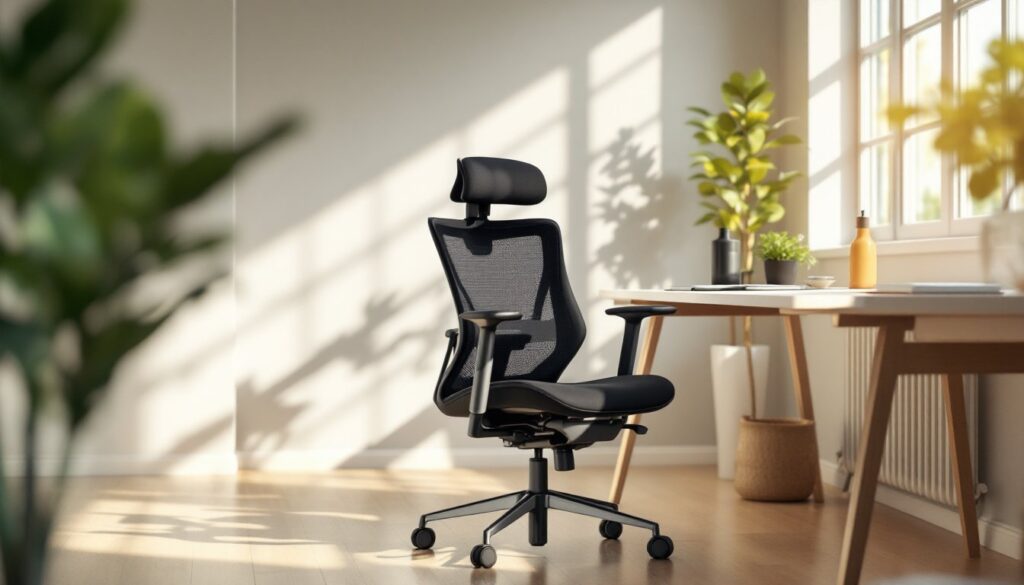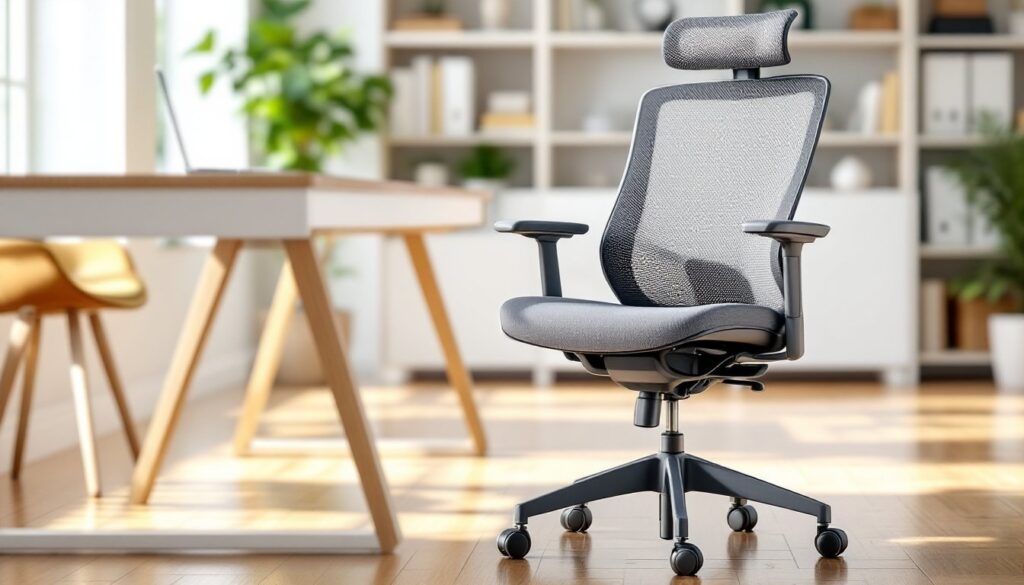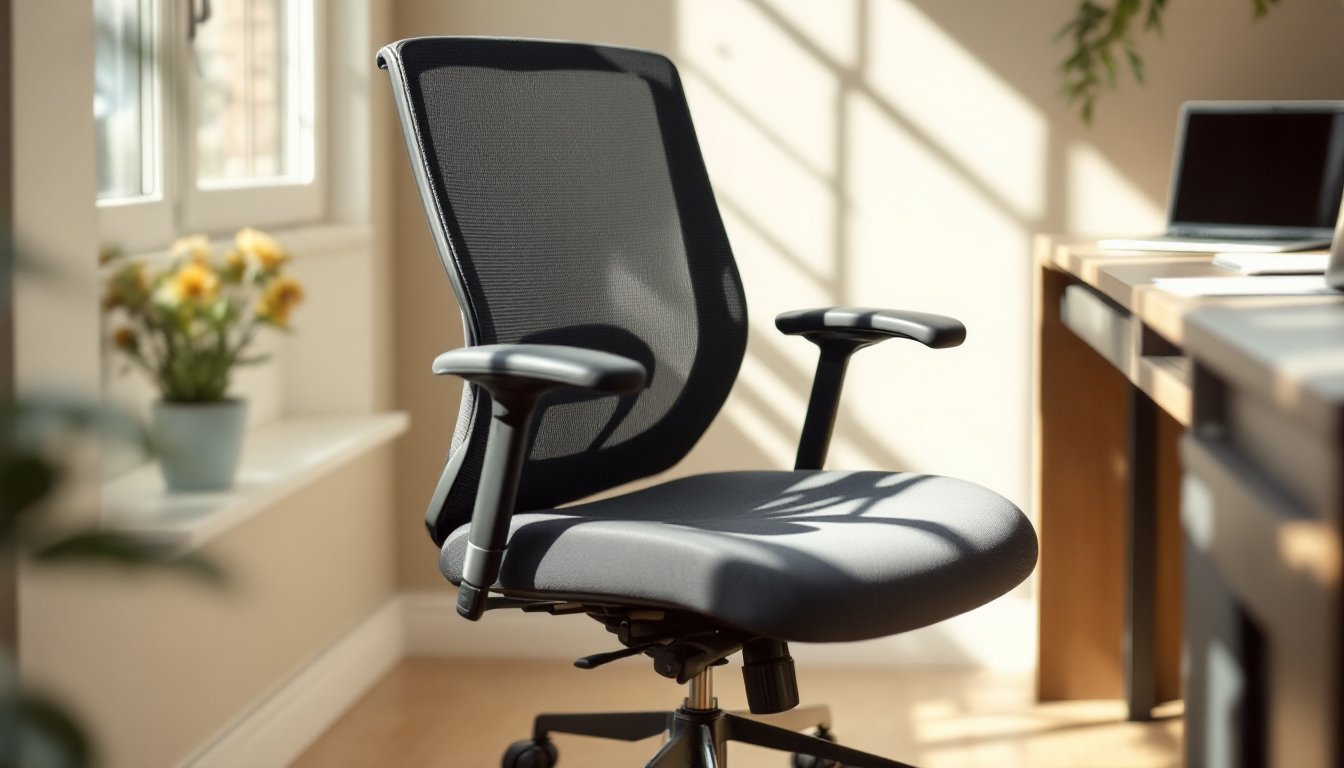

Setting up a home office doesn’t mean spending a small fortune on new furniture. A used office chair can deliver the ergonomics, durability, and style of a premium piece, often at a fraction of the retail price. Whether you’re building a dedicated workspace, adding a secondary desk, or simply upgrading from a kitchen chair, sourcing a quality used office chair is a practical move that saves money without compromising comfort. The key is knowing where to look, what to inspect, and how to refresh your find so it looks and feels like new.
Table of Contents
ToggleKey Takeaways
- A used office chair from a reputable manufacturer delivers premium ergonomics and durability at 50–70% less than retail prices, making it a smart investment for home office setup.
- Before purchasing, inspect the hydraulic cylinder, wheels, armrests, upholstery, and lumbar support to avoid costly repairs or replacements down the line.
- Facebook Marketplace, Craigslist, and local office furniture liquidation companies offer the best selection of quality used office chairs with transparent pricing and condition details.
- Simple refreshes like cleaning, replacing worn wheels ($25–$50), and tightening fasteners restore a used chair to like-new condition in under an hour for under $100.
- Proper ergonomic adjustment—seat height, lumbar support, armrest positioning, and recline function—is essential to prevent discomfort and injury during long work sessions.
- Choosing a used office chair reduces landfill waste and environmental impact while extending the lifecycle of well-made furniture.
Why Choose A Used Office Chair Over New
A used office chair offers real advantages beyond just saving money. Office furniture, especially task chairs from reputable manufacturers, is built to withstand 40+ hours weekly use over many years. A five-year-old chair from a quality brand often outlasts a budget new model at half the cost.
Used chairs also give you access to commercial-grade options that are off-budget when new. High-end ergonomic chairs from brands known for supporting lumbar health and long work sessions typically cost $800–$2,000 fresh. On the second-hand market, you might find the same chair for $300–$600. That’s not just a discount: it’s a smarter investment in your comfort and your home office setup.
There’s also an environmental win. Extending the life of a well-made chair means fewer office furnishings in landfills and lower demand for new raw materials. If sustainability factors into your home improvement mindset, buying used aligns your workspace with that value.
Where To Buy Quality Used Office Chairs
Online Marketplaces And Local Options
Online platforms cast the widest net. Facebook Marketplace, Craigslist, and OfferUp let you filter by location and browse dozens of listings quickly. Many are priced by sellers clearing office closures or downsizing, often honest about condition. Photos matter here: ask for closeups of the seat base, wheels, and any stains or wear.
Facebook Marketplace particularly works well because you can message sellers directly, check their profile history, and arrange local pickup, avoiding shipping costs and hassles. Craigslist skews toward bulk sales and liquidations, so you may find multiple chairs from the same seller.
Local office furniture stores, liquidation companies, and refurbishment outfits are goldmines often overlooked. Search “office furniture liquidation near me” or “used ergonomic chairs [your city].” These dealers inspect stock, replace broken parts, and sometimes offer short warranties. Prices sit between private sales and new retail.
eBay and Amazon Warehouse Deals handle shipping, which matters for a heavy object like a chair. eBay sellers include both individuals and small businesses: read feedback carefully. Amazon Warehouse Deals sells returns and overstocked items, sometimes barely used, at 20–40% discounts, with return windows if something doesn’t fit your space.
Don’t skip Facebook Buy/Sell groups for specific regions or neighborhoods. Group moderators often vet members, reducing scam risk. These groups also build community trust, so sellers tend to be transparent about defects.
What To Inspect Before Purchasing
Before committing, perform a hands-on inspection if buying locally, or request detailed photos and information if shipping is involved.
Hydraulic cylinder and tilt mechanism: Sit in the chair and adjust height. It should move smoothly without sticking, creaking, or sudden drops. If the cylinder leaks (oil on the seat post), it’ll fail soon and is expensive to replace.
Wheels and base: Spin each caster. They should roll freely, not stick or flat-spot. Flat-spotted wheels cause squeaking and uneven rolling. Base cracks, rare but serious, mean structural failure. Run your hand under the base to feel for damage.
Armrest mounting: Grab each armrest and try to wiggle it. Loose armrests are annoying and can fail under weight. Check if they’re adjustable: if so, test height and tilt.
Upholstery and padding: Examine seams for tears, stains, or odors. Mesh or fabric chairs hide stains less than leather. If staining is minor, a steam cleaner handles most marks. Deep rips in upholstery cost $150–$400 to reupholster, factor that into your offer.
Backrest and lumbar support: Push on the backrest to confirm it’s rigid, not soft or cracked. If the chair has lumbar adjustment, test it. Bent or broken frames mean the chair won’t support your back properly.
Seat pan: Run your hand underneath. The underside should be smooth without cracks. A damaged seat pan compromises comfort and durability. Ask the seller honestly: has anyone had issues? How often was it used? Did it live in a smoke-free environment? These details reveal true condition.
Restoring And Refreshing A Used Office Chair
Once you’ve brought your chair home, a quick refresh makes it feel and look new.
Clean the frame and base: Wipe down the metal or plastic base with a damp microfiber cloth. For stubborn dirt, a little rubbing alcohol on the cloth works. Dry immediately to avoid streaks. This takes 5 minutes and transforms the chair’s appearance.
Address upholstery stains: A steam cleaner ($30–$150 to rent from hardware stores) lifts most stains from fabric or mesh. Test on a hidden seam first. For leather, use a leather conditioner appropriate to the finish type, real leather vs. faux responds differently. Stubborn marks may require professional dry cleaning ($50–$100).
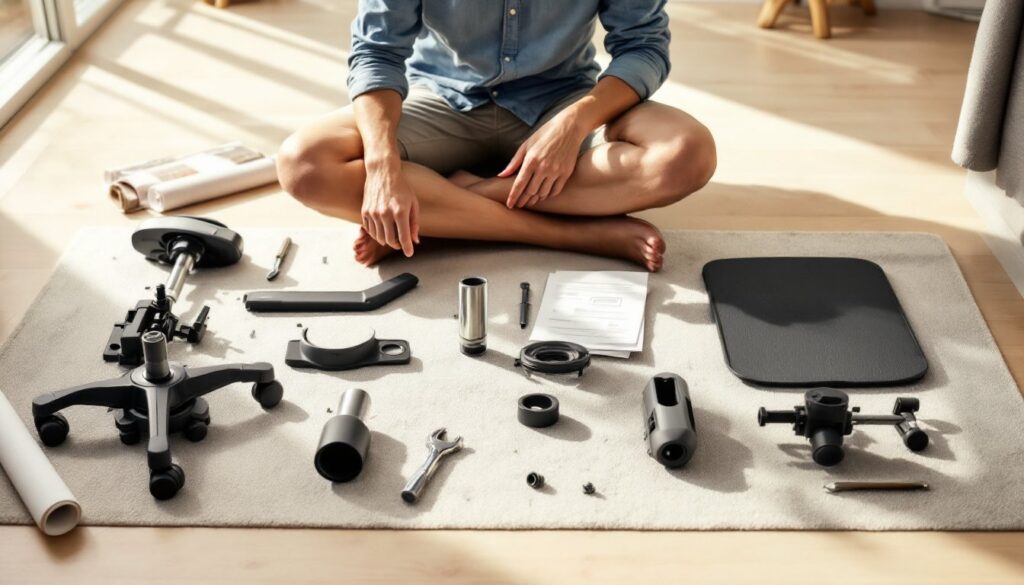
Replace wheels if worn: Worn casters are the most common reason a used chair feels rough. Replacement wheel sets cost $25–$50 and swap out in 30 seconds, unscrew the old, pop in the new. Most standard office chairs use 5-pin or friction-fit wheels: measure the stem before ordering.
Tighten loose fasteners: Use an Allen wrench set to tighten armrest bolts, tilt mechanism bolts, and base fasteners. Loose hardware often causes squeaks and rattles. A few turns can restore the feel of a stiff, quiet chair.
Lubricate moving parts: A silicone spray lubricant on the tilt mechanism and wheel axles reduces squeaking and improves glide. Don’t oversaturate: a light mist and wipe is enough. Avoid oil-based lubricants on mesh, they attract dust.
These simple refreshes take an hour and cost under $100 total. Your used chair will feel and function like a professional refresh without the refurbishment shop markup. Modern design inspiration can come from sources like Design Milk, where contemporary furniture influences home office aesthetics.
Ergonomics And Comfort For Your Home Office
A restored used chair is only valuable if it actually supports your body during 6–8 hour work sessions.
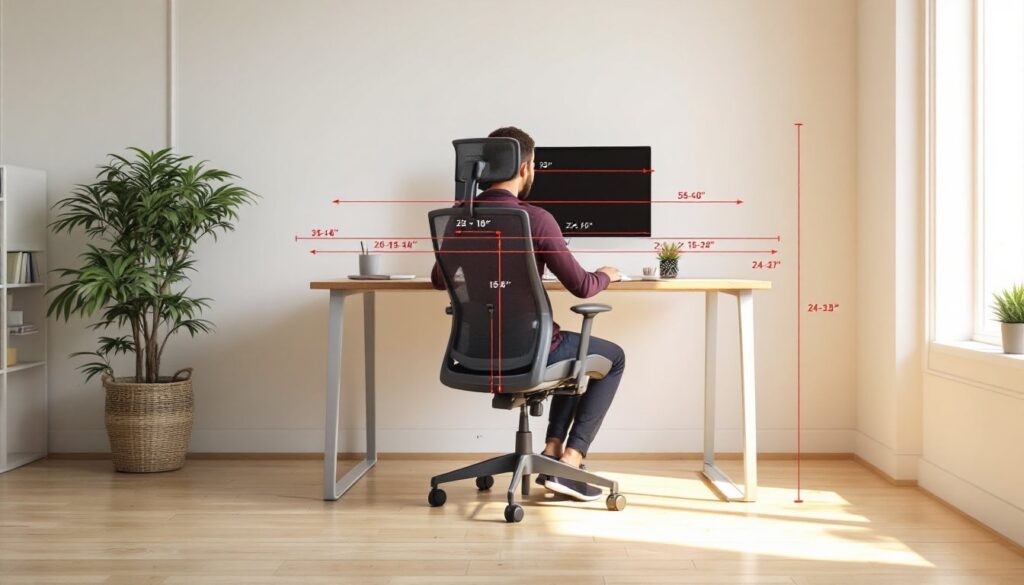
Seat height adjustment: When seated, your feet should rest flat on the floor with thighs parallel to the ground. Knees should sit at roughly 90 degrees. Too high, and your feet dangle, straining your hips. Too low, and you’re scrunched, rolling forward. Most office chairs adjust 17–21 inches from floor to seat: confirm the range fits your frame.
Lumbar support: The backrest should support your lower spine’s natural curve (lumbar region). A chair with built-in lumbar support or adjustable lumbar depth works best for long sessions. If your used chair lacks this, an aftermarket lumbar pillow ($20–$50) bridges the gap.
Armrest height: Elbows should rest at roughly 90 degrees with shoulders relaxed. Too high and you’re shrugging: too low and you’re reaching down. Adjustable armrests matter here. If they’re fixed, consider whether the height works for your desk setup before buying.
Seat depth and recline: Sit back fully in the seat. There should be 2–3 inches between the seat edge and the back of your knees. Deep seats cause pressure on the thighs: shallow seats leave you perched. A recline function (typically 12–20 degrees) lets you shift positions and reduces lower back strain during long focus work. Resources like Houzz showcase home office setups that prioritize ergonomic design.
Material and breathability: Mesh backs keep you cooler than solid backs, crucial if your home office gets warm. Padded seats are comfier initially but can trap heat. Leather is durable and easy to clean but doesn’t breathe. Think about your climate and how long you sit daily.
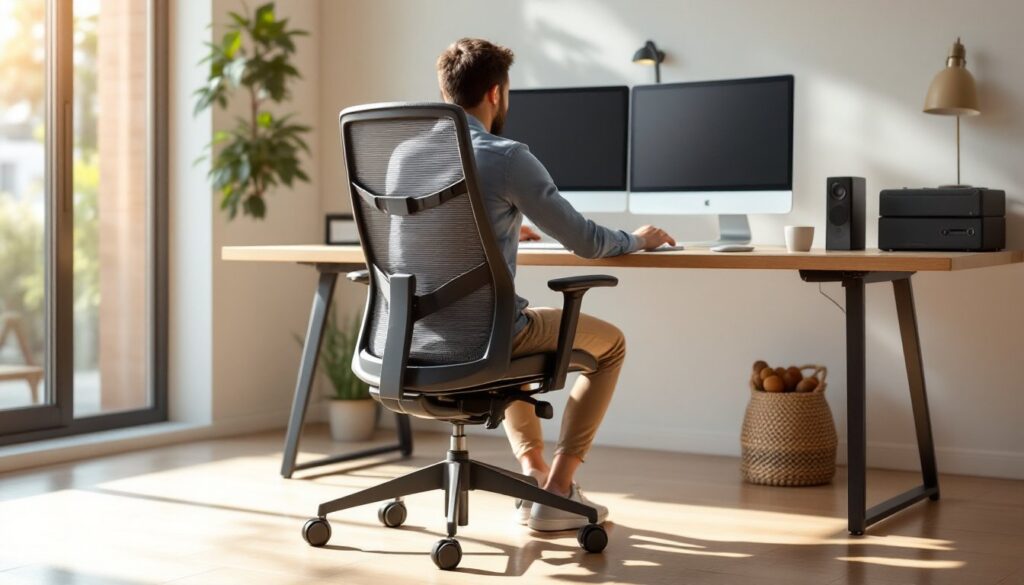
A good used chair with proper adjustment often outperforms a cheap new one. Spend time dialing in the settings, this isn’t cosmetic, it’s injury prevention.
Conclusion
Finding a quality used office chair is a smart, practical investment for your home workspace. By knowing where to look, what red flags to spot, and how to refresh your find, you can land a premium chair at a discount while sidestepping buyer’s remorse. A well-maintained used chair will support your back, last for years, and leave more budget for other home office essentials. The next time you’re upgrading your workspace, skip the new furniture showroom and hunt for a used gem, your comfort and your wallet will thank you.