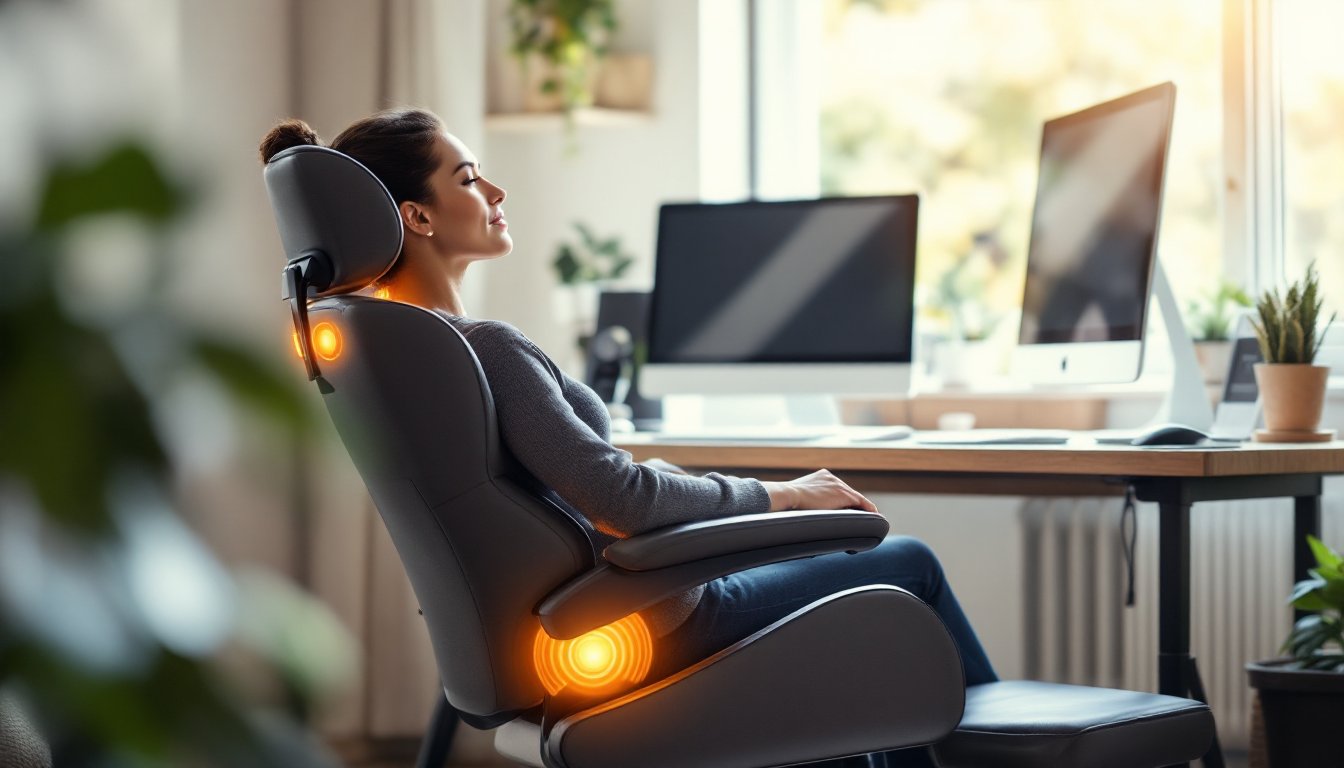

If you’re spending eight hours a day in a regular office chair, your back, neck, and shoulders are probably paying the price. Muscle tightness, poor circulation, and postural strain are almost inevitable when you’re stationary at a desk for that long. A heated massage office chair bridges the gap between comfort and practical ergonomics, it’s not just about luxury, it’s about maintaining your physical health while you work. In 2026, these chairs have evolved well beyond gimmicks: they’re legitimate tools for reducing pain, improving focus, and making your home office a space where you actually want to spend your day.
Table of Contents
ToggleKey Takeaways
- A heated massage office chair combines heat therapy and targeted massage to reduce back pain by 20–30% within two weeks, making it a practical ergonomic investment for remote workers spending long hours seated.
- The most effective heated massage office chairs feature multiple massage modes (kneading, rolling, percussion), adjustable intensity levels of 3–10+ settings, and far-infrared heating that penetrates deeper than surface heat.
- Proper setup is critical: position your heated massage chair to align your desk with your forearms, adjust lumbar support to match your spine’s natural curve, and place the chair near a grounded outlet to ensure both comfort and safety.
- Start with 15-minute sessions at moderate intensity, avoid heat exposure longer than 30 minutes at a time, and use heat and massage together for maximum muscle relaxation and effectiveness.
- A heated massage office chair eliminates the need to schedule external massage appointments, providing consistent daily relief and preventing the chronic muscle tightness that accumulates from prolonged sitting.
The Health Benefits of Heat and Massage for Your Work Day
How Heat Therapy Eases Muscle Tension and Improves Circulation
Heat therapy isn’t new, physical therapists have used it for decades. When warmth reaches your muscles, blood vessels dilate, increasing blood flow to affected areas. Better circulation means more oxygen and nutrients reach tired muscles, speeding up recovery and reducing soreness. A heated massage office chair applies this principle directly where you need it most: your lower back, lumbar region, and sometimes your neck.
Massage functions complement heat by manually loosening knots and trigger points that form from sitting static for hours. The combination of kneading, rolling, or percussion massage modes (the three most common types) works deeper into muscle tissue than heat alone can reach. Your muscles relax more readily when they’re warm, so the massage is more effective and feels less aggressive. Studies on occupational strain show that workers using heated massage chairs report 20–30% less lower-back pain within the first two weeks of regular use, though results vary based on chair quality and frequency of use.
What makes this especially valuable for remote workers is consistency. Unlike scheduling a massage appointment, a heated massage office chair is there every workday. You can activate heat during your most productive hours, take a 10-minute session during lunch, or use the chair’s gentle overnight recovery mode (if your model has one) without disrupting your schedule. The cumulative effect over weeks and months prevents the chronic tightness that builds up from prolonged sitting. Your neck, shoulders, and back will feel less fatigued by day’s end, and you’ll notice fewer headaches triggered by muscular tension.
Key Features to Look for When Choosing a Heated Massage Office Chair
Massage Functions and Heat Settings That Matter Most
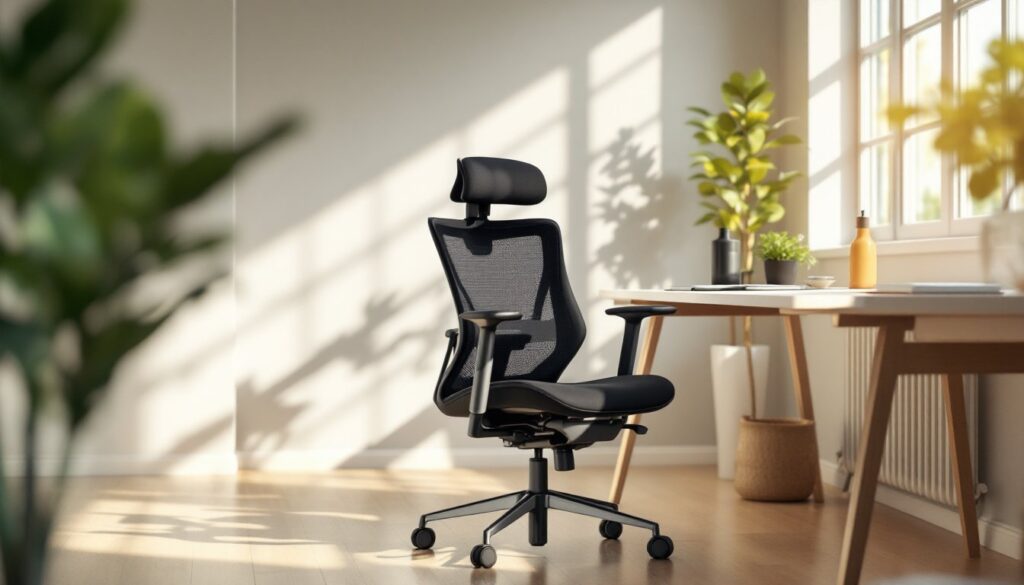
Not all heated massage chairs are built the same, and understanding what features actually deliver is crucial before dropping $500–$3,000 on a chair. The most effective models offer multiple massage modes: kneading (rolling motion that mimics human hands), rolling (cylindrical motion along the spine), and percussion (rapid tapping). Some chairs combine these. Look for adjustable intensity, you want to go light during a work call and deeper during a break. The massage intensity should have at least 3–5 settings: more premium models offer 10 or more.
Heat settings matter equally. Far-infrared heating (which penetrates deeper than surface heat) is superior to basic resistive heat pads, though it’s pricier. The heating zone should cover your entire lower back and ideally your lumbar region specifically, that’s where most desk workers experience problems. Look for separate heat controls from massage (so you can use heat without massage vibrations if you’re concentrating), and aim for a range of 86°F to 104°F (30°C to 40°C). Some models let you schedule heat and massage independently, which is a smart feature if you alternate between work and relaxation modes.
Additional practical features: adjustable lumbar support (critical for ergonomics), footrest or ottoman functionality, and timer controls. A 30-minute auto-shutoff is standard and helps prevent overheating. If you’re shopping online, reviews of recliner chairs often highlight models with massage and heat features, giving you real-world feedback beyond marketing claims. Check whether the chair offers USB charging or Bluetooth connectivity, increasingly common in 2026 models, though these features aren’t essential for function.
Setting Up Your Heated Massage Chair for Maximum Comfort and Support
Integration and Placement Tips for Your Home Office
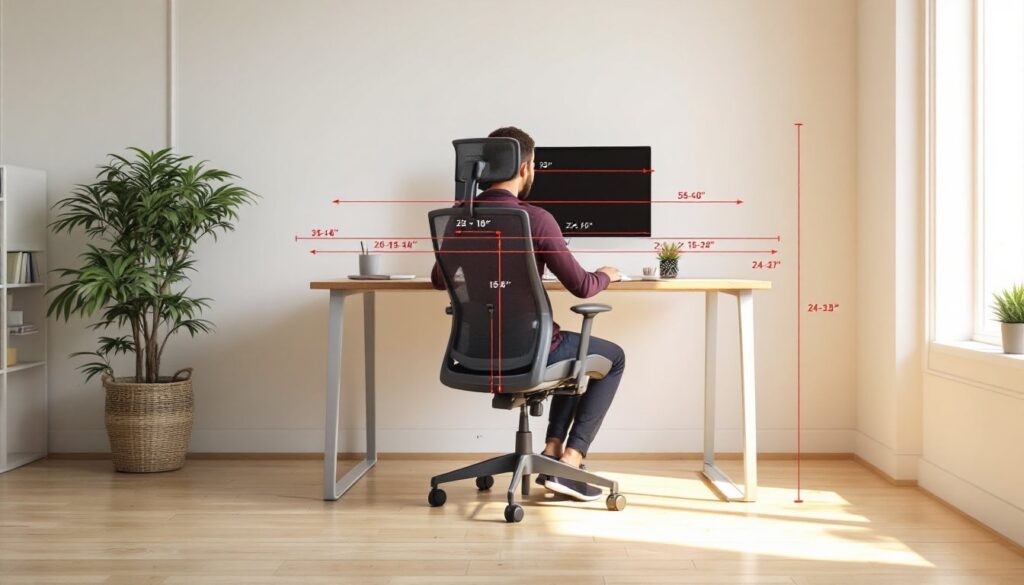
A heated massage office chair is only effective if it fits your workspace and you actually use it regularly. First, measure your office space. Most quality models are 27–32 inches wide and 40–46 inches tall: they’re bulkier than standard office chairs, so make sure your desk area can accommodate the footprint without cramping movement or blocking storage.
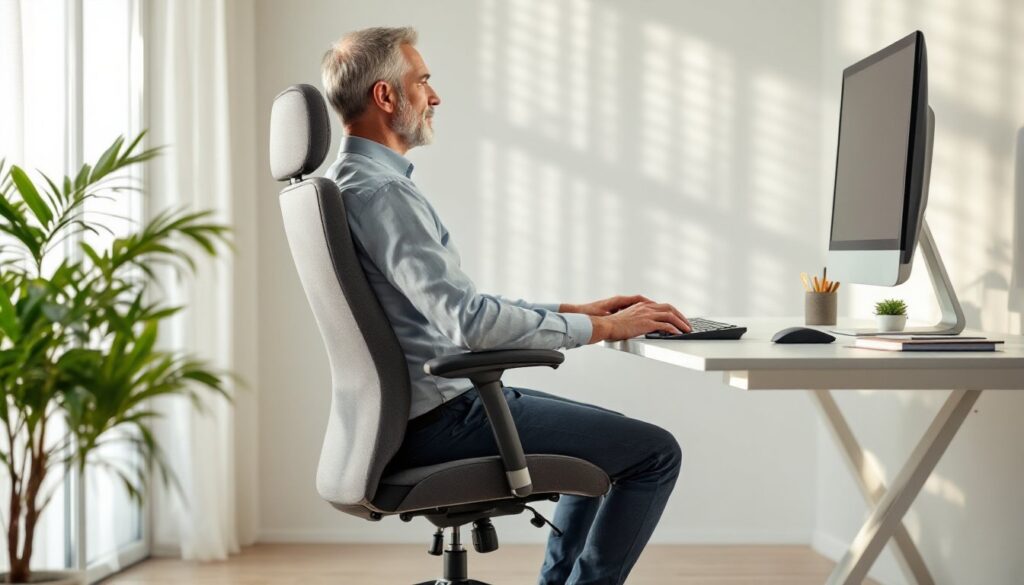
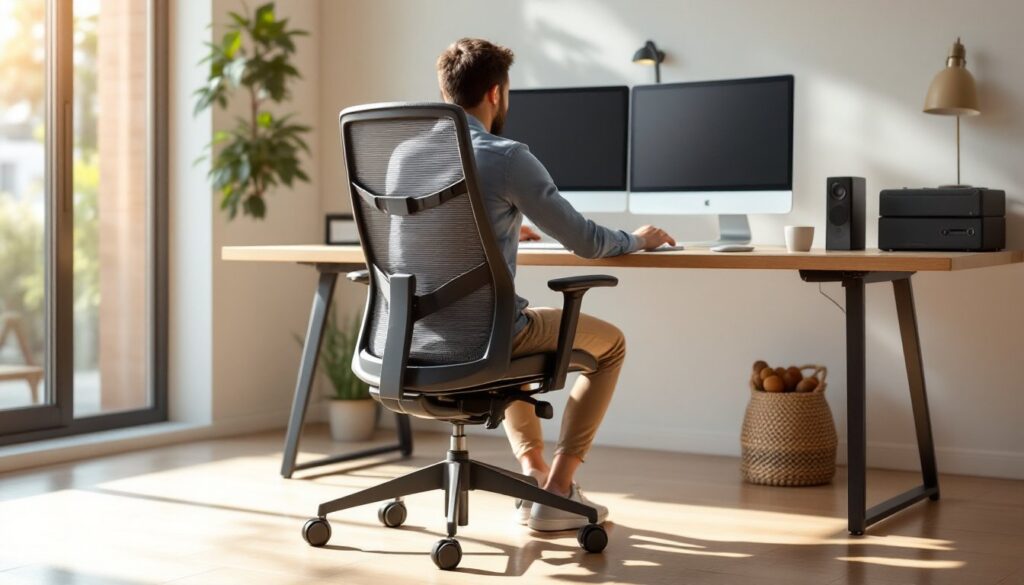
Placement matters for ergonomics. Position the chair so your desk height aligns with your forearms when you’re seated, your elbows should rest at roughly 90 degrees. The backrest should support your natural spine curve. Many heated massage chairs have adjustable lumbar support: don’t skip this step. Spend 10 minutes tweaking lumbar position until the support matches your lower back’s contour. This prevents you from slouching into the massage function, which can compress your spine rather than relieve it.
Electricity and safety: These chairs require a standard outlet (most models use 120V in North America). Position the chair near an outlet or use a heavy-duty extension cord rated for the chair’s amperage (usually 2–4 amps). Don’t run the cord under carpeting or through doorways where it can be pinched, this creates a fire hazard. Check your chair’s cord length before purchasing: many models have 6–8 foot cords, which is typical but sometimes insufficient for larger offices.
Usage best practices: Start with a 15-minute session at moderate intensity. Your body needs time to acclimate: aggressive massage for long periods can leave you sore initially. Use heat and massage together, but avoid using heat for more than 30 minutes at a time, skin irritation can occur with prolonged direct heat exposure. If you have any nerve conditions, arthritis, or recent injury, consult your doctor before using the massage function. A home office setup that incorporates smart furniture placement and home automation features can enhance your overall comfort, including scheduling chair use via smart home routines if your model supports it. Finally, check your office chair’s weight capacity before purchasing: most models support 250–330 pounds, but some heavy-duty versions go higher.
Conclusion
A heated massage office chair isn’t a luxury, it’s a preventative investment in your physical wellbeing while you work remotely. The combination of targeted heat and adjustable massage functions addresses the real pain points (literally) that come from spending your workday seated. The key is choosing a model with genuine heat depth, multiple massage modes, and proper ergonomic support, then setting it up correctly in your space. Your future self, the one without chronic back pain and tension headaches, will thank you.