
Spending eight hours a day sitting in an uncomfortable chair is a sure way to develop back pain, poor posture, and resentment for your workspace. A modern office chair isn’t just furniture, it’s a tool that directly impacts your productivity, comfort, and long-term health. Whether you’re setting up a dedicated home office or upgrading an existing workspace, the right chair makes a measurable difference. This guide walks you through what matters when choosing a modern office chair, where to find quality options, and how to protect your investment over time.
Table of Contents
ToggleKey Takeaways
- A modern office chair is a critical investment that directly impacts your productivity, posture, and long-term health—with quality models lasting 7-10 years and offsetting the cost through comfort and reduced pain.
- Essential ergonomic features include adjustable lumbar support, a 90-degree knee angle, breathable mesh materials, and synchronized tilt mechanisms that keep your spine properly aligned during extended work sessions.
- The sweet spot for most home office workers is mid-range modern office chairs ($400-$900), which offer durable mechanisms, genuine lumbar support, and warranty backing at a better value than budget alternatives.
- Contemporary design favors clean lines, minimalist bases, and neutral color palettes that complement modern workspaces while maintaining visual lightness compared to bulky office furniture from previous decades.
- Before purchasing, prioritize weight capacity, seat height range, and long-term buyer reviews (2+ years of ownership) over initial impressions, as early reviews often miss mechanical wear and material durability issues.
- Simple maintenance—vacuuming mesh regularly, checking adjustment mechanisms, and replacing worn casters—significantly extends your modern office chair’s lifespan and protects your investment over time.
Why a Modern Office Chair Matters for Your Home Setup
Unlike dining chairs or living room seating, an office chair supports your body through hours of focused work. A poor chair forces your spine into unnatural positions, strains your neck and shoulders, and leaves you exhausted by day’s end, even if the work itself wasn’t physically demanding.
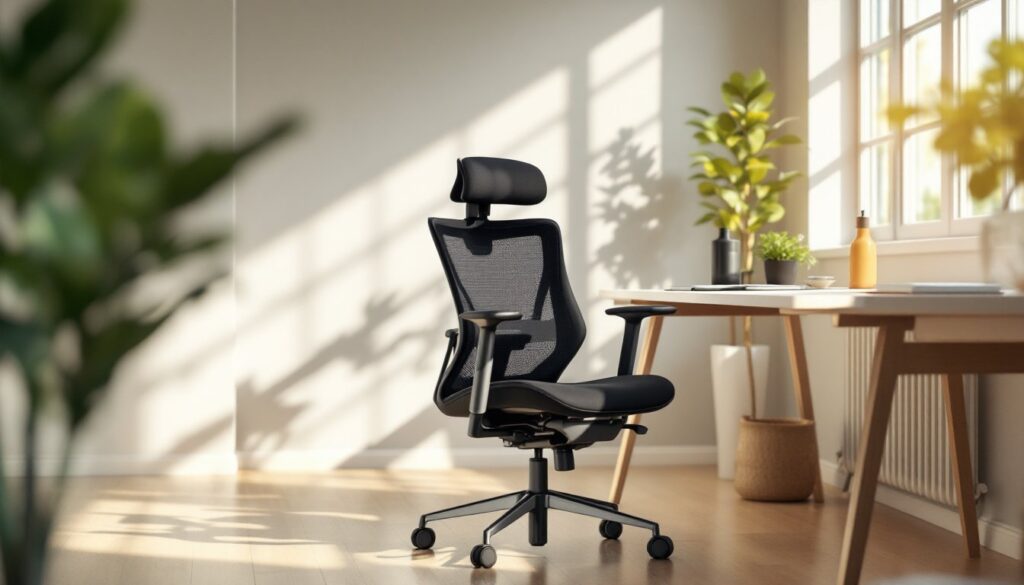
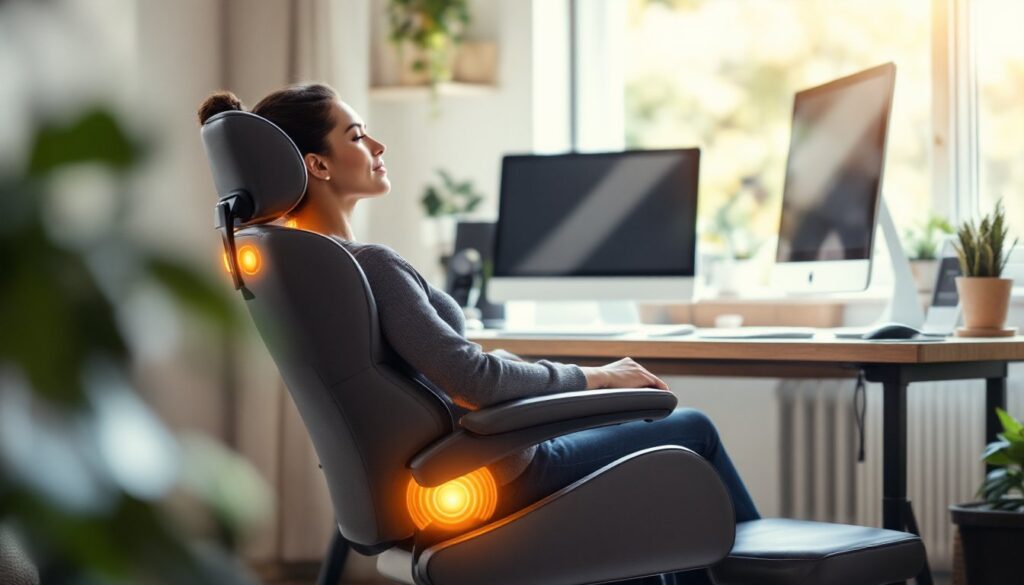
Modern office chairs are engineered differently than older designs. They feature adjustable lumbar support, synchronized tilt mechanisms, and breathable materials that keep you comfortable during long sessions. Beyond ergonomics, a well-chosen modern chair signals that you take your work seriously. It’s a subtle psychological boost when you sit down to a workspace designed for success rather than makeshift convenience.
The investment pays dividends. A quality chair can last 7-10 years, spreading its cost across thousands of work hours. Compare that to frequent neck adjustments, heating pads, and lost productivity from discomfort, and the value becomes clear.
Key Features of Modern Office Chairs
Ergonomics and Support
True ergonomic support means the chair actively works with your body. Look for lumbar support, a curve in the backrest that mirrors your spine’s natural shape. Adjustable lumbar depth (not just height) lets you fine-tune how much pressure the chair applies, which is crucial because people’s spinal curves vary.
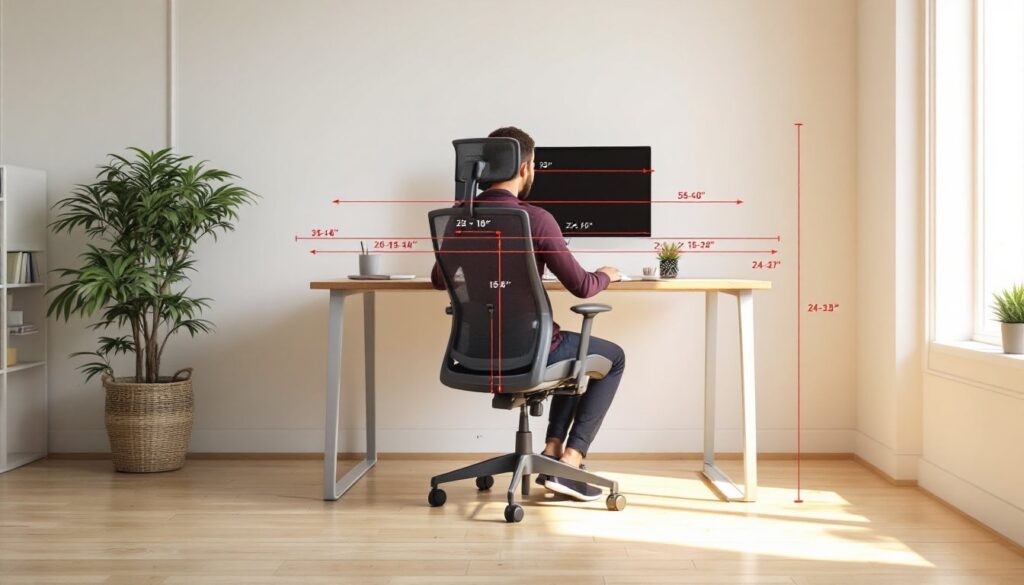
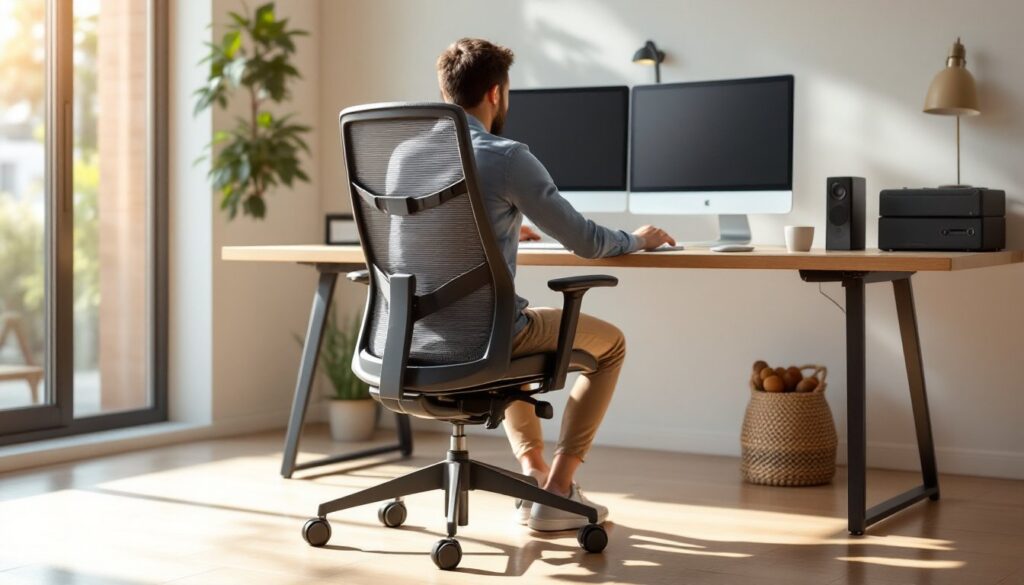
Seat height should adjust smoothly from roughly 16 to 21 inches, allowing your feet to rest flat on the floor with knees at a 90-degree angle. This prevents pressure on the backs of your thighs. Armrests that adjust both height and width prevent shoulder strain: fixed armrests that don’t match your desk height become wasted space or worse, they force awkward positioning.
Tilt mechanism matters more than most realize. A synchronized tilt reclines the seat and backrest together, keeping your spine aligned. Some chairs offer tilt tension adjustment so you control how much effort reclining requires. Cheap chairs either lock upright or rock freely with no middle ground.
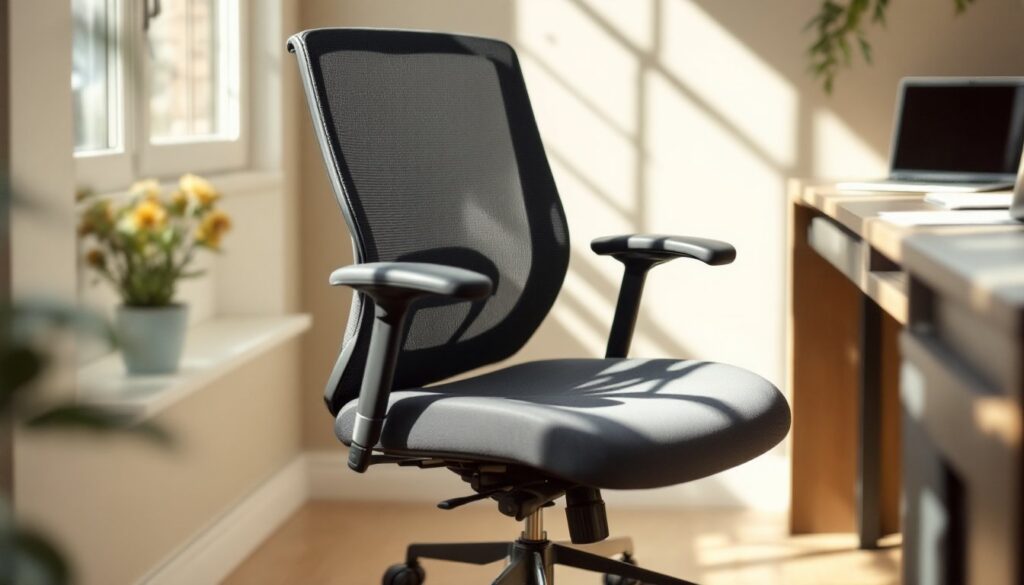
Material breathability prevents heat buildup during extended sessions. Mesh backrests outperform solid upholstery in warm environments, though mesh doesn’t provide the visual warmth some prefer. Modern high-end options blend mesh panels where you need airflow with supportive, cushioned zones elsewhere.
Design and Aesthetic Appeal
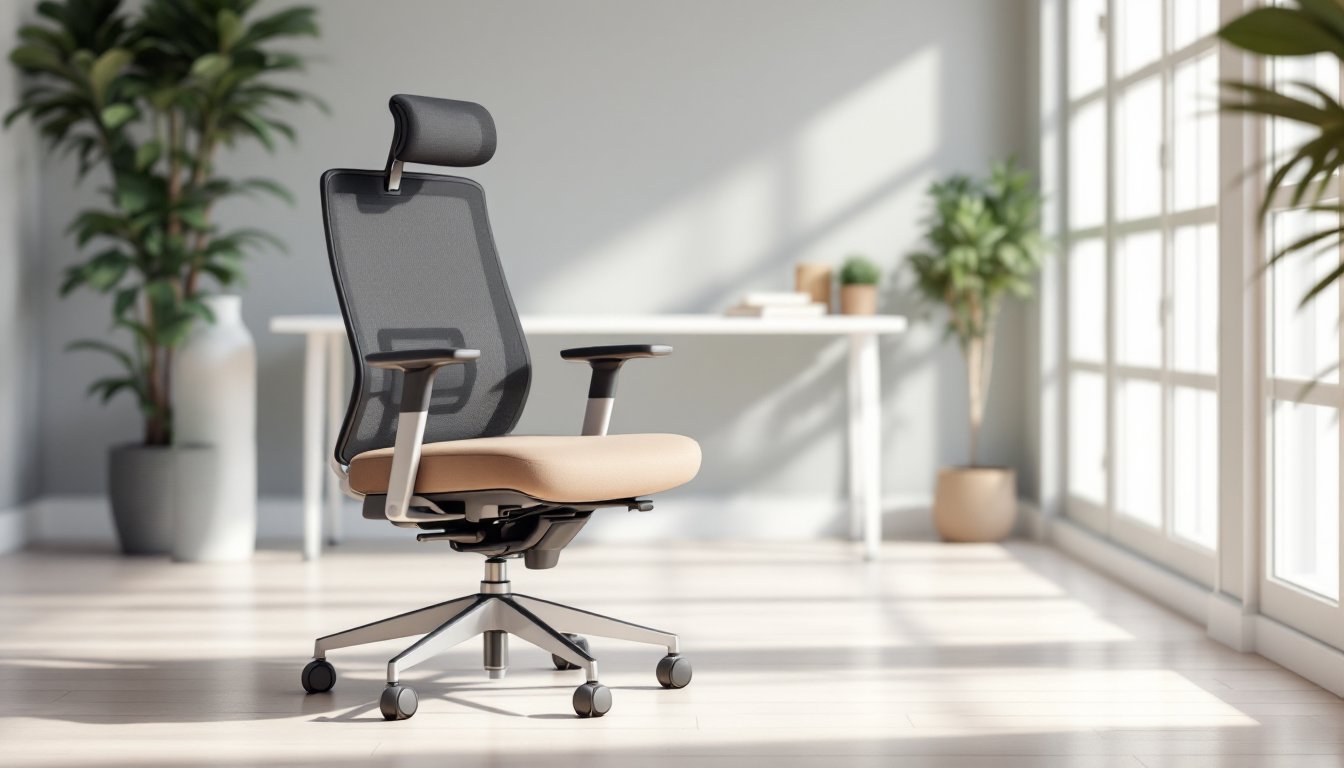
A modern office chair should complement your workspace, not clash with it. Contemporary designs favor clean lines, minimalist bases, and a palette of black, gray, white, and natural wood tones. Unlike blocky office furniture from the 2000s, modern chairs prioritize visual lightness, exposed metal frames, slender armrests, and compact profiles that don’t dominate the room.
Color and material choice influence both aesthetics and functionality. Dark upholstery hides dust and wear but can feel heavy visually. Light fabrics brighten the space but require more maintenance. Consider the rest of your décor: a leather accent chair works in a traditional study, while woven fabric suits Scandinavian or industrial themes.
Base design affects both look and mobility. Five-star bases with smooth-rolling casters are standard, but material matters. Hard plastic wheels work on carpet: harder wheels suit hard floors. Some modern designs feature wooden or metal bases that feel more intentional than generic plastic.
Setting Your Budget and Making the Investment
Office chair pricing ranges wildly, from $150 budget models to $2,000+ luxury pieces. Your budget should reflect how many hours weekly you spend sitting and how important long-term comfort is.
Budget tier ($150–$400): Entry-level modern chairs offer basic adjustability and decent ergonomic design. They work fine for part-time work or casual use, though cushioning and mechanisms may wear faster. Expect 5-7 years of life with moderate use.
Mid-range ($400–$900): This is the sweet spot for most home office workers. You get quality mechanisms, genuine lumbar support, durable fabrics, and warranty backing. A $600 chair typically outlasts two $300 chairs while feeling noticeably better.
Premium ($900+): Top-tier chairs often include enhanced customization, premium materials, and extended warranties. They’re worth it if you work full-time from home and have specific ergonomic needs. Brands in this range usually offer detailed adjustment guides and responsive customer support.
Don’t let price alone drive your decision. A $500 chair that matches your body and work style beats a $1,200 aspirational purchase that doesn’t fit properly. Spend time testing or reading detailed reviews from users with your body type and workspace setup. That research upfront prevents expensive regret.
Where to Shop and What to Compare
Online marketplaces dominate office furniture, but they vary in selection, return policies, and support. Major retailers offer broad ranges and competitive pricing, though shipping and returns can be complicated for bulky furniture.
Specialized furniture sites curate higher-end options and often provide virtual consultations to match you with the right model. Direct-to-consumer brands cut out middlemen, reducing cost, but you lose the ability to test a chair before committing. Some DTC companies offset this with generous 30-60 day trial periods.
When comparing chairs, focus on these specifics: weight capacity, seat height range, available adjustments, warranty terms, and return policy. A chair rated for 250 lbs won’t work safely for heavier users, even if it fits your budget. Height range matters if you’re taller or shorter than average, some chairs don’t adjust enough in either direction.
Read buyer reviews carefully, especially from users who’ve owned the chair for 2+ years. Early reviews often come from people in the honeymoon phase: long-term feedback reveals whether mechanisms hold up and whether minor discomforts become deal-breakers. Look for mentions of wobbling, squeaking, or cushioning that flattens prematurely. These are red flags that outlast the initial satisfaction of a good deal.
Contemporary design platforms like Design Milk showcase modern furniture trends and detailed reviews, helping you understand what separates quality modern design from trendy-but-flimsy options. Similarly, Homedit provides comprehensive furniture guides and comparisons that cut through marketing language. These resources help you develop an eye for what good contemporary design actually means in functional terms.
Maintaining Your Modern Office Chair for Longevity
A quality chair becomes a bad investment if neglected. Simple maintenance extends its life significantly.
Cleaning: Vacuum mesh backrests monthly to prevent dust buildup that clogs ventilation. Wipe down plastic and metal frames with a damp microfiber cloth. For fabric seats, spot-clean spills immediately with mild soap and water: let air dry rather than using heat, which can set stains. Avoid harsh chemicals that degrade materials.
Mechanical care: Check all adjustment levers and knobs periodically. Tighten any that’ve loosened with use. If a mechanism starts squeaking, apply a small amount of silicone spray to joints, then work it in by adjusting the mechanism a few times. Don’t use WD-40 on upholstery, it stains.
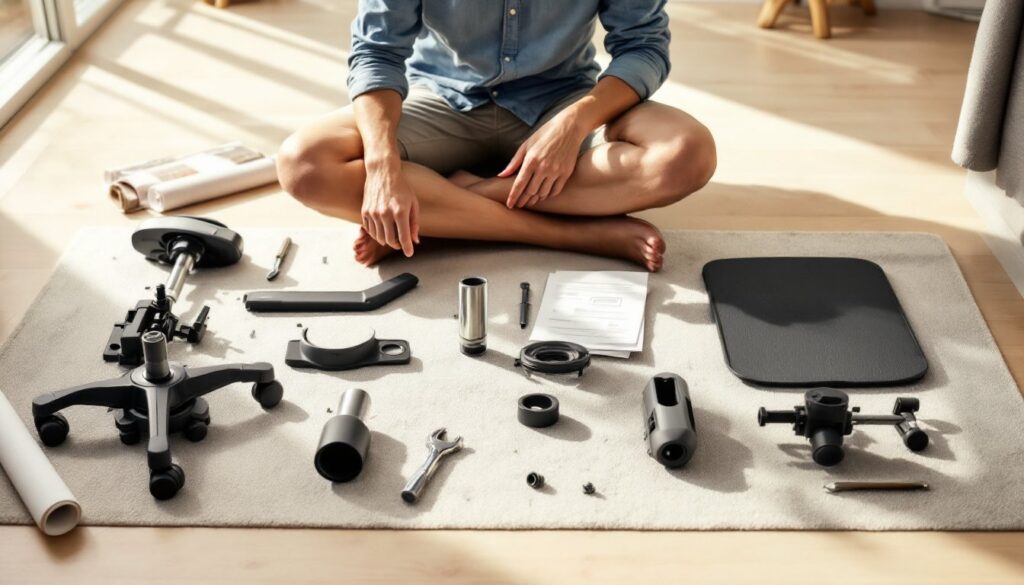
Casters and base: Replace worn casters before they damage your flooring. Most modern chairs use standard 5-star bases with replaceable wheels: a set costs $30-60 and takes five minutes to swap. If your chair wobbles, check that all five caster assemblies are seated fully in their sockets.
Upholstery: If fabric wears through in high-contact areas, have it reupholstered rather than replacing the chair. This typically costs $200-400 and extends the life another 5 years. Leather chairs benefit from occasional conditioning to prevent cracking.
Storage: If you’re not using the chair long-term, store it in a climate-controlled space. Extreme temperature and humidity fluctuations warp materials and weaken adhesives. Don’t stack anything on top of it, as compression damages cushioning permanently.
Check manufacturer warranty terms, most quality chairs include a 5-year limited warranty covering mechanical failure, though wear items like cushioning aren’t covered. Keep your receipt and documentation in case you need to file a claim.