
Whether you’re working from home full-time or juggling projects between the workshop and your desk, the chair beneath you matters more than you’d think. A poor seat leads to back pain, neck strain, and the kind of discomfort that kills focus, exactly when you need it most. The Duramont ergonomic office chair has become a popular choice for homeowners setting up serious home offices, and for good reason. It bridges the gap between budget-friendly and genuinely supportive, without the premium price tag of high-end brands. This guide walks you through what makes the Duramont tick, how it performs under real-world use, and whether it’s the right fit for your workspace.
Table of Contents
ToggleKey Takeaways
- The Duramont ergonomic office chair delivers 85% of premium comfort at 25% of the price, making it ideal for home office workers spending five to eight hours daily at their desk.
- Proper ergonomic seating supports your spine’s natural curve, prevents lower back pain and neck strain, and maintains focus—critical for DIYers splitting time between office and workshop projects.
- The Duramont features a high-density foam cushion, adjustable lumbar support pillow, height-adjustable armrests, and smooth pneumatic height adjustment that feel responsive and reliable under real-world use.
- Assembly takes just 5–10 minutes with basic tools, and maintenance is minimal—occasional dusting and monthly upholstery wiping keep the chair functioning for years.
- A quality ergonomic office chair is most worthwhile if you work four or more hours daily; pairing it with proper desk height, monitor position, and task lighting maximizes its benefits.
Why Ergonomic Seating Matters for Your Home Office
Your spine doesn’t care if you’re sitting at a desk or on a folding chair, poor posture compounds over hours and weeks. Ergonomic seating isn’t about luxury: it’s about alignment. When your chair fails to support the natural curve of your lower back (lumbar support), your body compensates by tensing muscles in your shoulders, neck, and lower spine. That tension becomes pain, then chronic pain, then a reason to avoid your workspace.
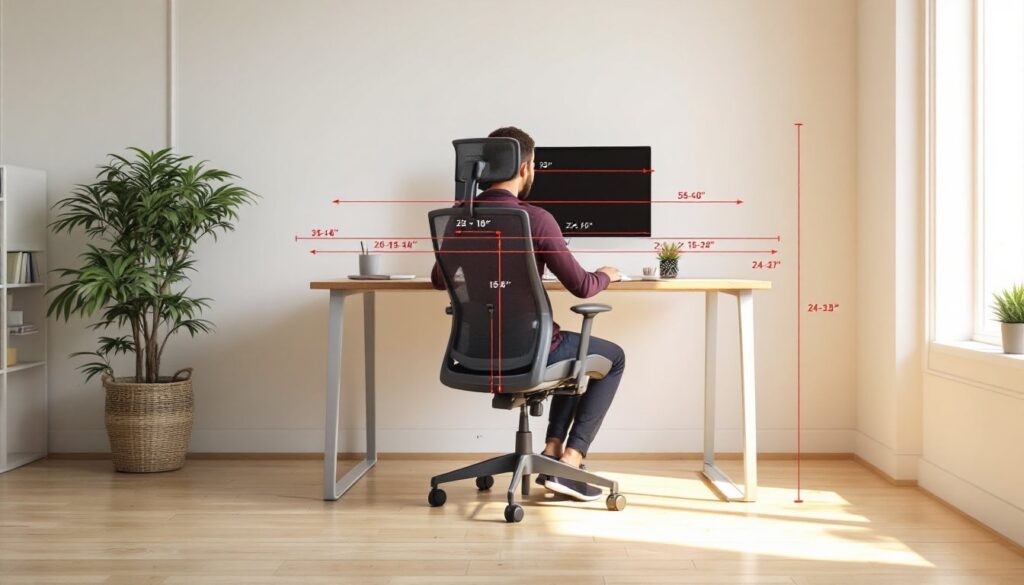
A proper ergonomic office chair does several concrete things: it keeps your hips level with or slightly higher than your knees, supports the inward curve of your lower back, and allows your feet to rest flat on the floor or a footrest. Your monitor should sit at eye level, your elbows at 90 degrees, and your wrists neutral. The chair is just one piece, but it’s the foundation. Without it, even the best desk setup fails.
For DIYers and homeowners splitting time between the home office and workshop projects, a chair that adapts matters. You might spend three hours drafting plans, then two hours doing hands-on work. A rigid, uncomfortable seat makes that transition painful. An adjustable, supportive chair lets you focus on the work, not the discomfort.
Duramont’s Key Design Features and Build Quality
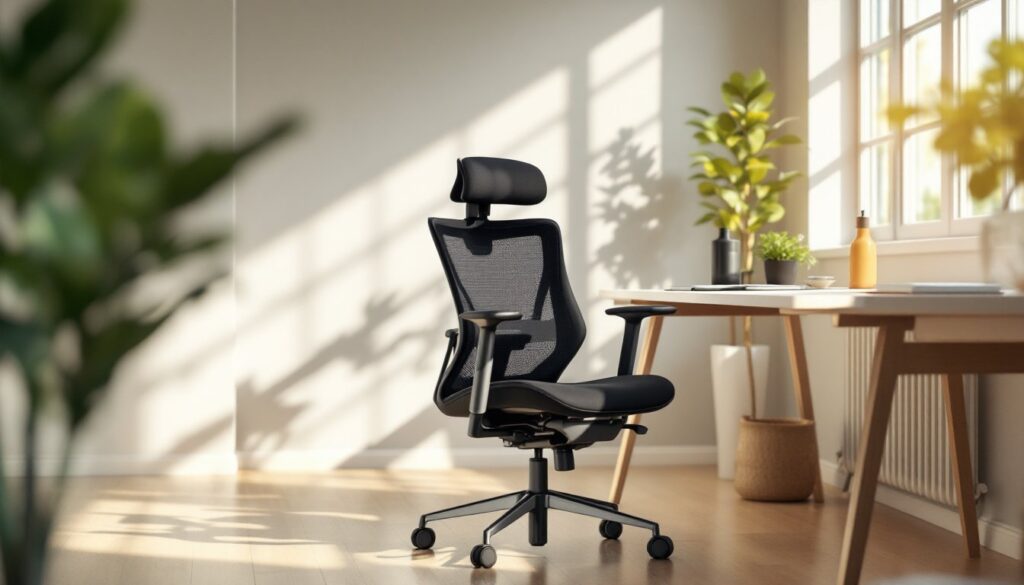
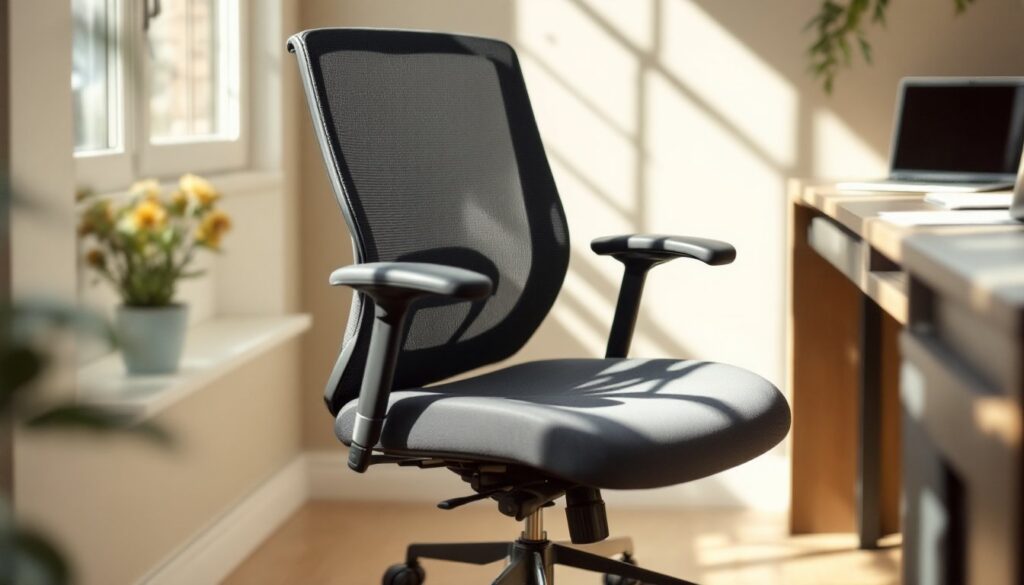
The Duramont is built around a few core strengths. The chair features a high-density foam cushion (typically 3–4 inches) that holds its shape without compressing into a pancake after a few months. The backrest includes a contoured lumbar support pillow designed to cradle the curve of your spine rather than forcing an artificial posture.
The base is a solid five-point caster design using nylon wheels that roll smoothly on hardwood and carpet alike. Unlike cheaper chairs with flimsy wheels that stick or damage floors, Duramont wheels move freely without dragging. The gas cylinder (the piston that raises and lowers the seat) is rated for several hundred pounds of cycling without failure, a detail that matters if you adjust height multiple times daily.
Armrests on the Duramont are padded and height-adjustable, addressing a common DIY setup mistake: static armrests that force your arms up or down instead of supporting them at elbow level. The tilt tension is adjustable too, so you can lock the chair upright for detailed work or recline slightly when reading or thinking through a project plan.
Material quality is honest. The upholstery is typically a breathable mesh or synthetic leather blend, not premium leather, but durable enough to handle regular use. The mesh variants breathe better in warm climates, while the fabric or leather-look options hide dust and crumbs more easily (a real concern if you eat at your desk while reviewing blueprints).
Comfort and Support: What Users Actually Experience
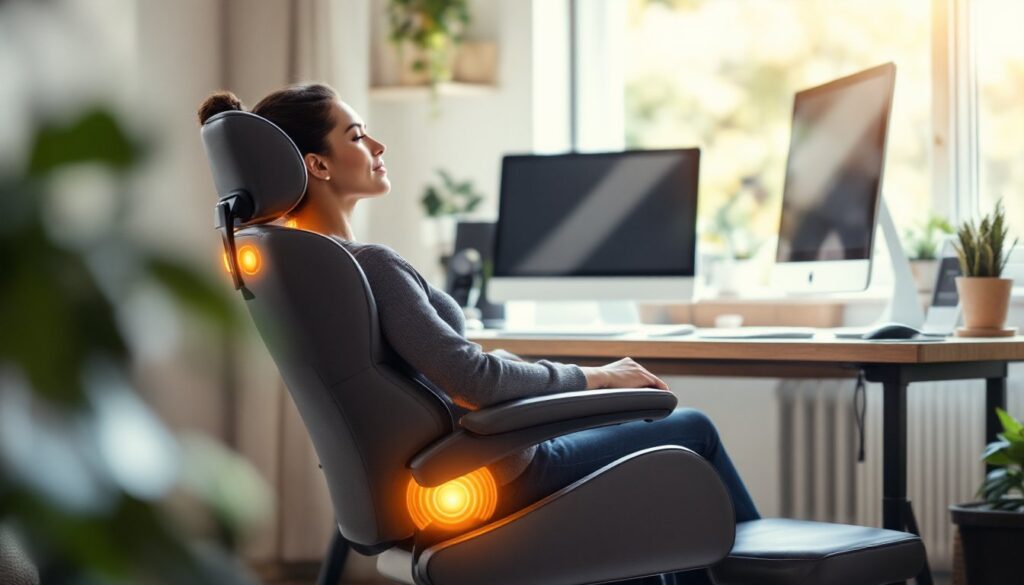
Comfort is subjective, but measurable factors separate a Duramont from a folding chair. Users consistently report that the lumbar pillow makes a noticeable difference within the first few days, that lower back support kicks in immediately, especially for people with mild to moderate lower back tension.
The seat cushion is firm but not hard. Softer isn’t always better: a seat that compresses too easily bottoms out, dumping your weight directly onto the underlying frame. Duramont’s foam strikes a middle ground, it conforms to your shape without losing structure. For eight-hour workdays, this holds up. For twelve-plus hours, any office chair feels like a compromise, but the Duramont doesn’t add new pain.
Height and tilt adjustments feel responsive. The pneumatic adjustment (a gas cylinder controlled by a lever beneath the seat) is smooth and holds your chosen height reliably. The tilt mechanism doesn’t shift unexpectedly, which matters when you’re focused on detailed design work or assembly planning.
The armrests, being adjustable, work for a wider range of body types than fixed alternatives. If you’re five-foot-nothing or six-foot-two, you can dial them in instead of fighting with them. That said, they’re not as plush as high-end alternatives: if you lean heavily on armrests all day, you’ll feel the difference by day three.
One honest note: the Duramont isn’t a gaming chair or a luxury recliner. It’s built for productivity, not lounging. If your vision of comfort is sinking into a pillow, you’ll find this supportive-but-firm approach less appealing.
Assembly, Setup, and Maintenance Tips
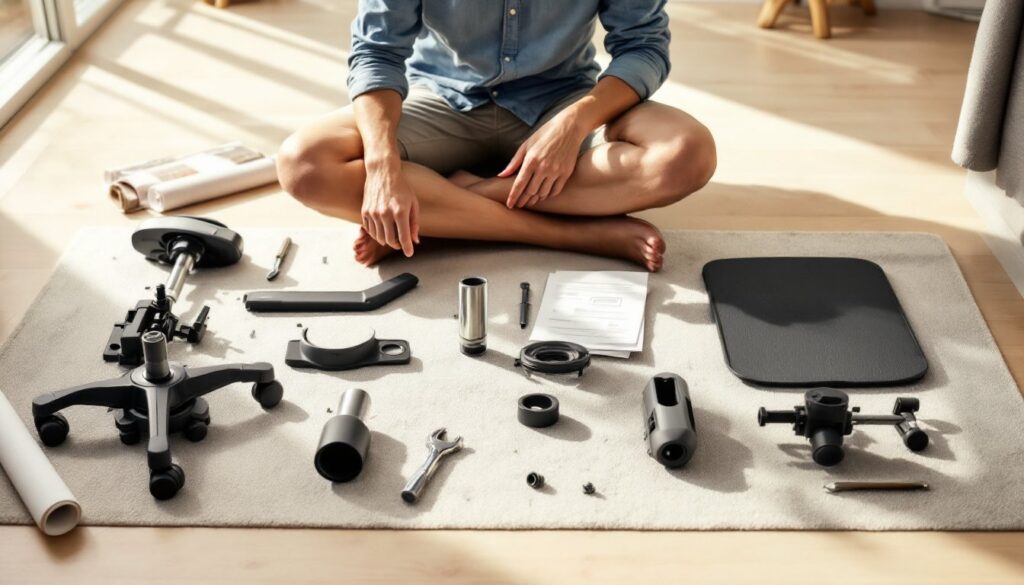
The Duramont ships mostly assembled. You’ll typically attach the base, wheel casters, armrests, and the lumbar pillow, all straightforward tasks requiring a Phillips head screwdriver and maybe five to ten minutes. No hex keys, no mystery parts, no instruction ambiguity.
A few assembly tips: screw the casters in firmly so they don’t rattle, but don’t over-torque and strip the plastic base. If the lumbar pillow feels positioned too high or low, it’s adjustable, loosen the Velcro straps, reposition, and tighten. Getting lumbar height right takes a minute of trial and error: your lower back will tell you when it’s correct.
Setup also means adjustment. Before settling into daily use, dial in the seat height so your feet rest flat on the floor and your knees sit at 90 degrees. Adjust armrest height to support, not lift, your elbows. Recline angle should feel neutral, not aggressive, many users lock tilt tension most of the way and use just a few degrees of recline.
Maintenance is minimal. Wipe the upholstery with a damp cloth every month or two. If you’ve got mesh, use a soft brush to dislodge dust. For stains, mild soap and water work: avoid harsh solvents that degrade fabric. The base, wheels, and mechanisms don’t require oil or special care, they’re sealed and low-maintenance. Wheels occasionally grab hair or carpet fibers: a quick trim keeps them rolling smoothly. The tilt and height adjustments will function for years if not abused: avoid slamming into tilt limits or extreme adjustments.
Comparing Value: Is the Duramont Worth Your Investment?
A Duramont typically costs between $200 and $350, depending on variant (mesh vs. fabric, with or without extra lumbar support). At that price, it competes with budget office chairs and overlaps with mid-range alternatives.
Cheaper chairs ($80–150) use thinner foam, no lumbar pillow, and plastic-heavy construction that feels flimsy after a year. They work for occasional use but fail if you’re sitting eight hours daily. The Duramont’s thicker foam and adjustable support justify the cost if you value your back.
Premium ergonomic chairs ($800–2000+) offer finer materials, more adjustment options, and a sleeker aesthetic. But for most DIYers and home office workers, those extras don’t return proportional value. The Duramont delivers 85% of premium comfort at 25% of the price.
Realistically assess your needs: If you sit fewer than four hours daily, a cheaper chair might suffice. If you’re working five to eight hours per day from home, the Duramont’s investment pays off within months as discomfort decreases and focus improves. If you have existing back or neck issues, consider testing it (many retailers offer returns) or consulting a physiotherapist about your specific needs.
For the DIY homeowner treating the home office seriously, not as a novelty but as a real workspace, the Duramont sits in the sweet spot of functionality and affordability. Houzz profiles show growing investment in home office furniture as more people embrace remote work, and the Duramont reflects that shift toward quality-over-frills.
Creating Your Ideal Home Office Setup with an Ergonomic Chair
A good chair is step one. The full setup requires attention to your desk, monitor, and light. If you’re building a home office from scratch, start with an adjustable desk (or a fixed one if budget is tight) that positions your work surface at elbow height when sitting upright. Your monitor should sit arm’s length away with the top of the screen at or slightly below eye level.
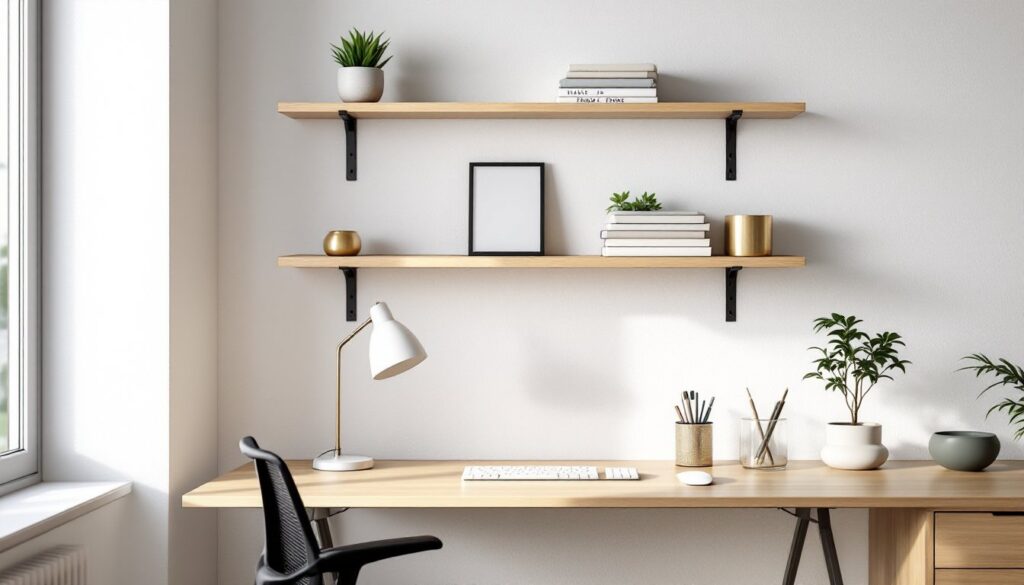
Lighting matters. A desk lamp and ambient light prevent glare and eye strain. Task lighting reduces the urge to lean forward, which stresses your back and defeats the ergonomic chair’s benefits. If you’re setting up a workshop office hybrid space, part desk, part project bench, consider a monitor arm that swings out of the way when you shift to hands-on work.
Footrests, while not essential, help if your feet don’t rest flat on the floor. A footrest or a low shelf stabilizes your lower body and engages your core slightly, reducing lower back strain. This is especially true for people under five-foot-five or working at standing-height surfaces.
Final thought: a chair, even an excellent one, is an investment in your ability to work comfortably and sustainably. Pair it with proper desk height, monitor position, and regular breaks (even ten minutes away from the desk every hour is huge). The Duramont supports that foundation, but the full setup requires intention. For homeowners and DIYers building serious home offices, quality seating is non-negotiable, and the Duramont delivers without very costly.
Conclusion
The Duramont ergonomic office chair is a practical choice for anyone spending significant hours at a home office desk. It checks the core boxes, adjustable lumbar support, firm cushioning, stable base, and honest build quality, without unnecessary frills or premium pricing. Assembly is straightforward, maintenance is minimal, and it performs reliably in real-world use. If you’re ready to invest in comfort and productivity, the Duramont is worth your consideration.