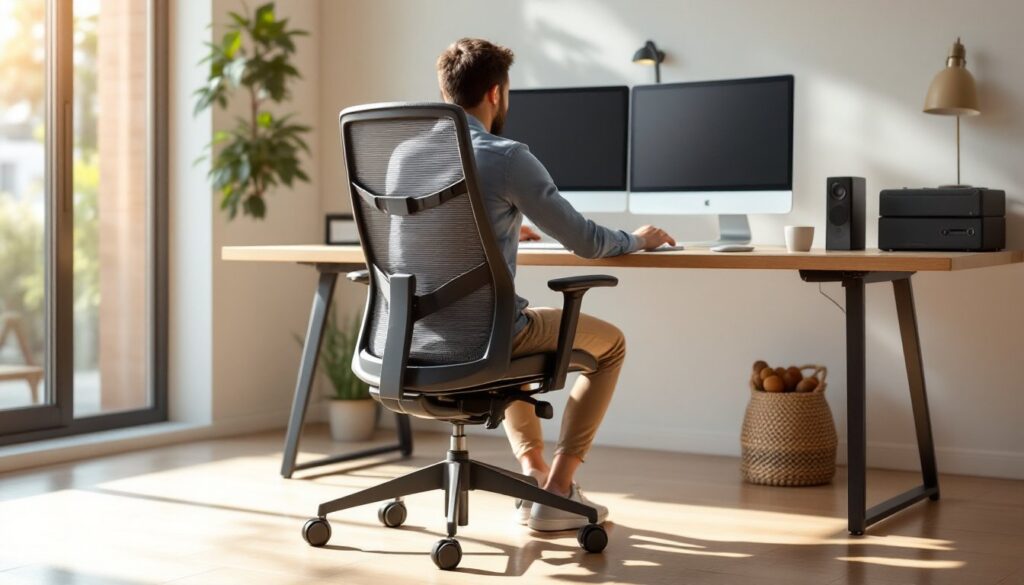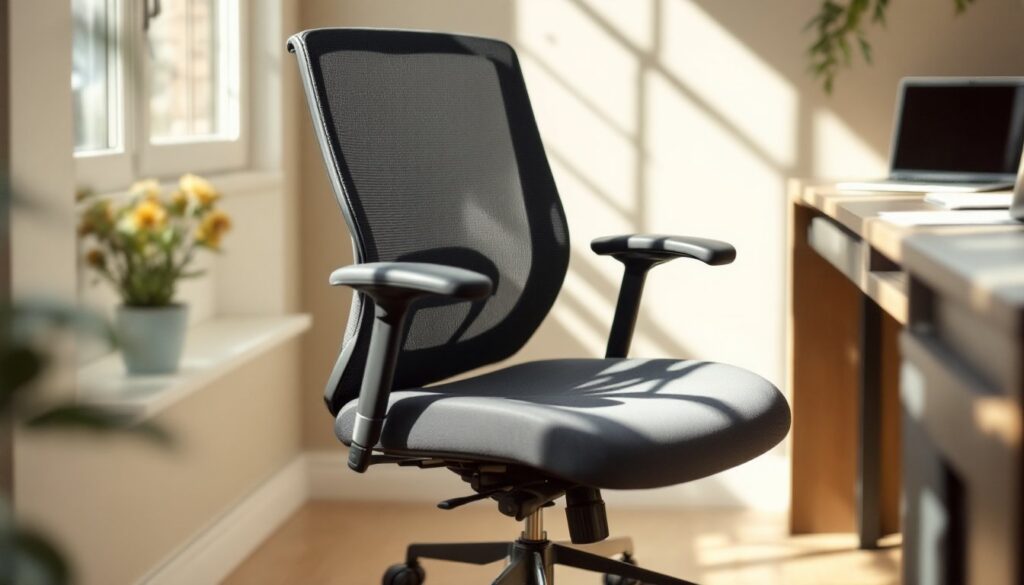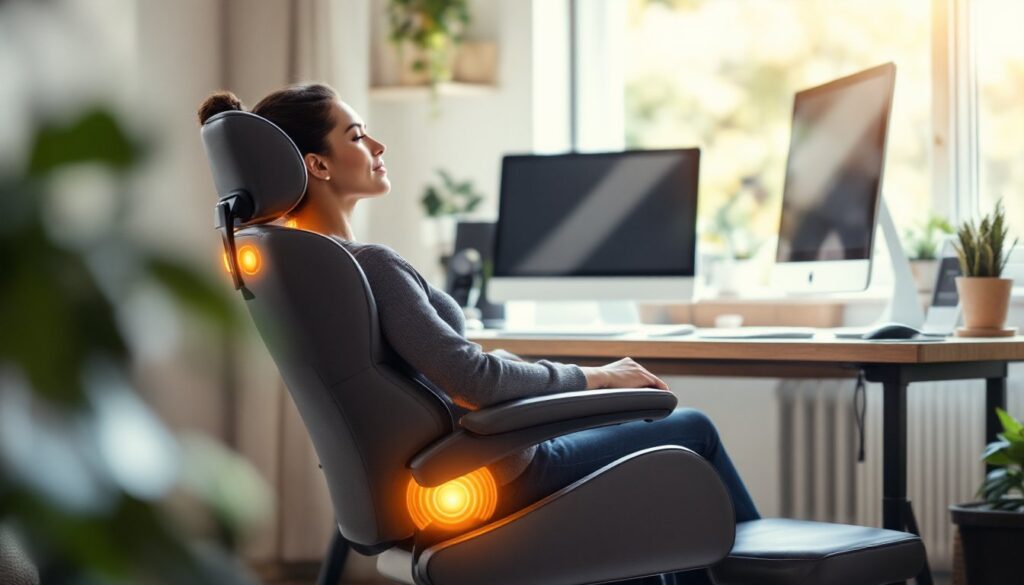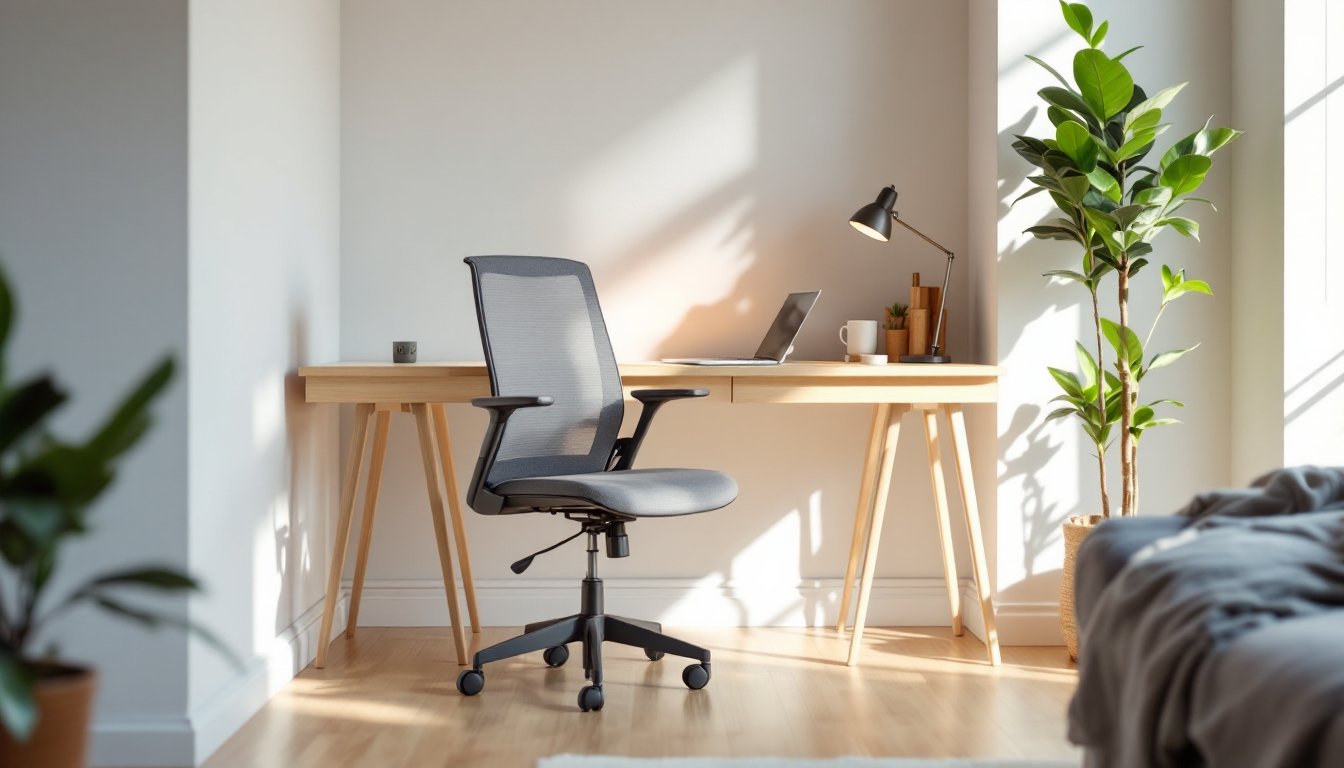

Working from home in a tight footprint? A compact office chair can be the difference between a cramped, uncomfortable setup and a functional home office that doesn’t eat your entire room. For homeowners juggling a bedroom office, a desk nook, or a shared space, choosing the right chair isn’t just about comfort, it’s about making the most of what you’ve got. This guide walks you through what actually matters when shopping for compact office chairs, from dimensions and ergonomic features to the different styles that fit various needs and budgets.
Table of Contents
ToggleKey Takeaways
- A compact office chair keeps your home office functional and comfortable without consuming floor space, making it essential for bedrooms, desk nooks, and shared living areas.
- Look for compact office chairs under 26 inches wide and 24 inches deep, with seat heights between 17–21 inches to ensure proper alignment with your desk and maintain good posture.
- Lumbar support, adjustable height, and seat depth of 17–18 inches are critical ergonomic features that prevent discomfort during long work sessions.
- Armless and low-back compact chair designs maximize space savings, while mesh models offer breathability and easier maintenance in warm environments.
- Measure your room dimensions, doorway clearance, wall space behind the chair, and desk height before purchasing to avoid costly mistakes and ensure a proper fit.
- Test compact office chairs in person when possible, as comfort and fit are irreplaceable—the right chair transforms a cramped space into an enjoyable workspace.
Why Compact Office Chairs Are Essential for Home Offices
Not every home office has the luxury of a sprawling corner setup. Bedrooms, guest rooms, and shared living spaces demand furniture that pulls its weight without dominating the room. A compact office chair solves this by delivering the support and functionality of a traditional task chair in a footprint that won’t swallow your space.
The difference matters. A bloated office chair can block doorways, crowd your desk, and create that tunnel-like feeling in a small room. A well-chosen compact model keeps sightlines open and makes the space feel intentional rather than packed. Beyond aesthetics, compact chairs are often lighter and easier to move, which comes in handy when you’re rearranging for a video call or shifting the whole setup.
Whether you’re a freelancer, a part-time remote worker, or someone managing admin work at home, the right compact chair supports long hours without regret. It’s not a compromise, it’s a practical choice that fits real life.
Key Features to Look for in a Compact Office Chair
Dimensions and Space Requirements
When we talk compact, actual numbers matter. A standard full-size office chair typically measures around 26 to 28 inches wide and extends 24 to 26 inches deep when you’re seated. Compact chairs trim this down, look for options that stay under 26 inches wide and under 24 inches deep. Armrest width makes a real difference in tight quarters: some compact models ditch arms entirely, while others offer folding or fixed narrow arms.
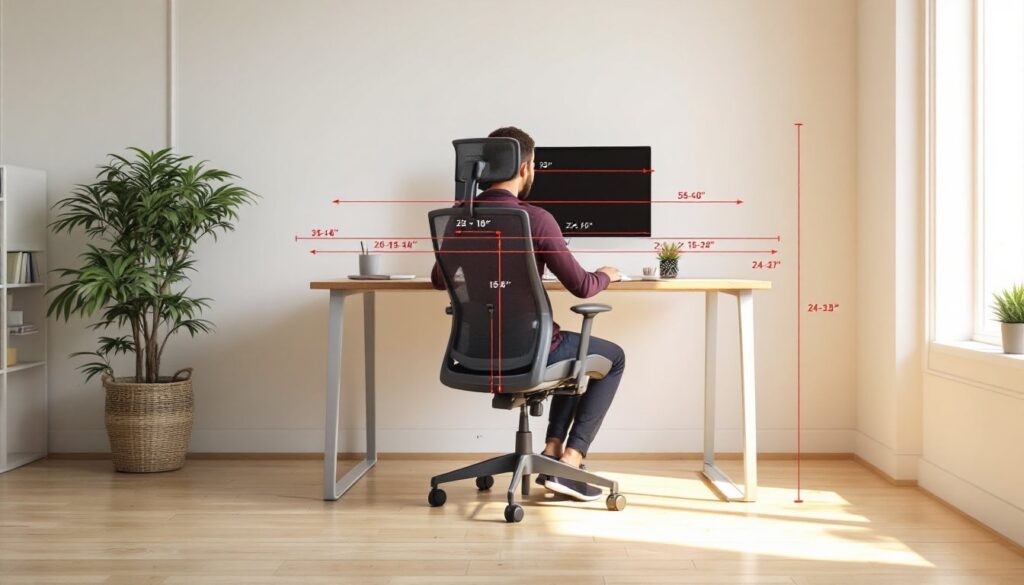
Before you buy, measure the open floor space at your desk and the clearance from chair back to the wall behind it. Account for the height of your desk, too. A chair that sits too high or too low breaks your posture and defeats the purpose. Standard chair heights range from 17 to 21 inches at the seat: check this against your desk height (typically 29 to 30 inches) to ensure your elbows land at roughly 90 degrees when seated.
Comfort and Ergonomic Support
Compact doesn’t mean shortchanged on comfort. Look for chairs with lumbar support, either built-in contouring or an adjustable lumbar knob that lets you dial in lower back support. Your lower back curves forward naturally: a chair that ignores this leads to slouching and pain.
Seat depth matters more than you’d think. A seat that’s too deep pushes your knees forward and cuts off circulation: too shallow and you’re perched on the edge. A 17 to 18 inch seat depth works for most people, though taller users may need slightly deeper. Cushion firmness is personal, test if you can, but remember that a moderately firm seat with good support beats a plush chair that goes flat after three months.
Adjustability is your friend here. Look for tilt tension control (so the chair doesn’t rock too easily), adjustable height (obviously), and ideally armrest adjustment. If the chair can’t adapt to your body and your desk, it’s not earning its spot in a small space.
Types of Compact Office Chairs for Different Needs
Armless chairs are the space-savers’ secret weapon. Without arms, they drop to around 22 inches wide and feel less imposing in tight quarters. The trade-off is that you lose arm support, manageable if your desk is at the right height and you’re not fighting arm tension all day. These work best for shorter work sessions or if you’re comfortable perching more upright.
Low-back compact chairs keep the overall height lower (around 30 to 36 inches total) and trim the visual weight. They’re great under low ceilings or in rooms where a tall chair feels oppressive. The downside: less upper back and neck support on long calls or intense focus work.
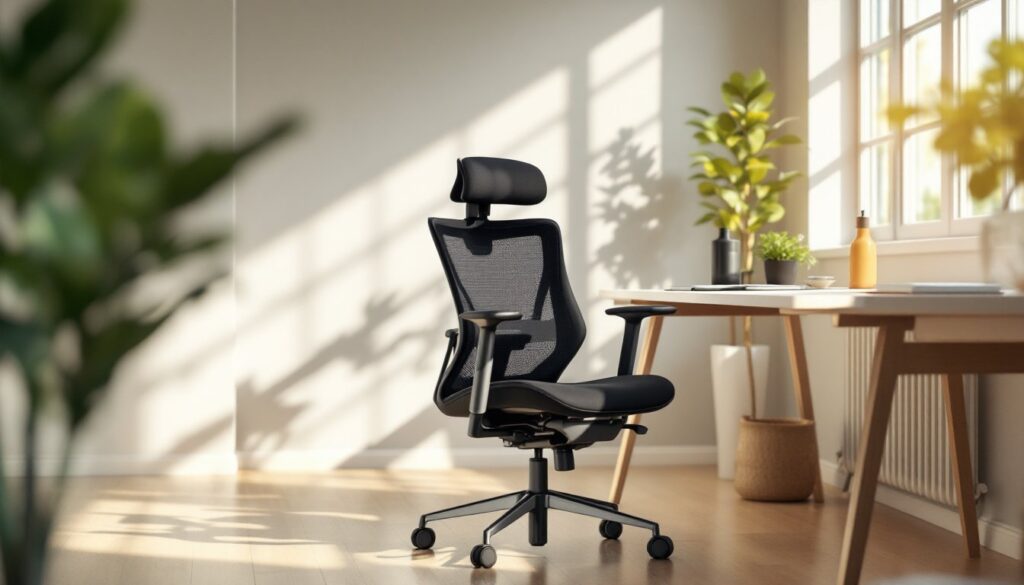
Mesh compact chairs breathe better than leather or fabric and often come in sleeker, narrower profiles. Mesh also makes cleaning simpler, no dust traps or crumb collection. If your space is warm or you run hot, mesh is worth considering. Just know that very cheap mesh can sag quickly and won’t provide the firm support your back needs.
Gaming or racing-style compact chairs have become popular for home offices, offering bold aesthetics and solid support. They tend to be bulkier even though marketing claims, so measure carefully. The bolstered sides and high back work for some people: others find them gimmicky and overheated.
Indoor designs from sources like Homedit often feature compact seating that balances modern style with function, which can spark ideas for your own setup. Think about your work style: Are you on video calls most of the day (where appearance matters), or is comfort during long writing sessions your priority?
How to Measure Your Space Before Buying
Measure twice, buy once. Start with your room dimensions and the exact footprint available for the desk and chair setup. Sketch it on paper or use a simple floor plan app: you’ll spot problems before checkout.
Next, measure your desk height at the working surface (top edge). Most home desks run 28 to 30 inches tall. Your chair seat should land around 16 to 18 inches high so your thighs are parallel to the floor and your elbows are at roughly 90 degrees when resting on the desk. Subtract the seat height from the desk height to see if you’re in the right ballpark.
Check doorway widths and turning radius. A compact chair that’s 26 inches wide needs at least 30 inches of clear opening to pass through most doors. If your office is accessed through a standard 32-inch interior door, you’ve got a tight squeeze, measure and test fit if possible.
Don’t forget wall clearance behind the chair. When you recline slightly, the backrest extends forward: you need at least 6 inches of space behind it so you’re not touching a wall or bookcase every time you lean back. When evaluating setups at home improvement showrooms or through apartment design articles, pay special attention to how other people arrange compact furniture in similar room sizes.
If your space is really tight, visit a local office supply store and sit in compact models to test them in person. Online reviews help, but your own comfort and fit are irreplaceable.
Conclusion
A compact office chair isn’t a second-choice compromise, it’s a smart fit for any home office working with real-world constraints. By focusing on actual dimensions, ergonomic fundamentals, and honest testing, you’ll find a chair that keeps you comfortable during work hours without dominating the room. Measure your space, know what adjustability matters to you, and don’t settle for a chair that feels wrong just because it fits the footprint. The right compact chair turns a cramped corner into a workspace you’ll actually enjoy spending time in.