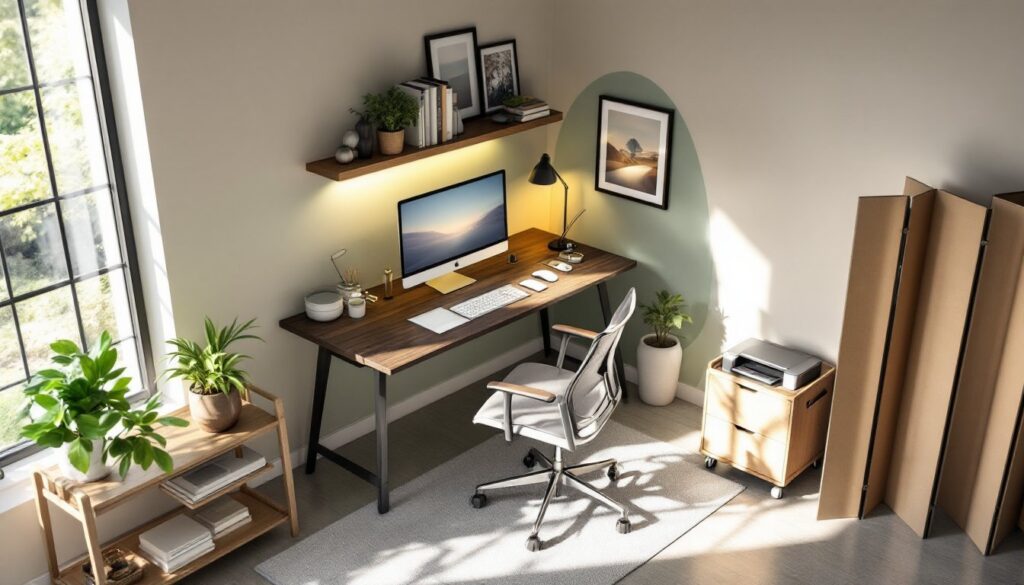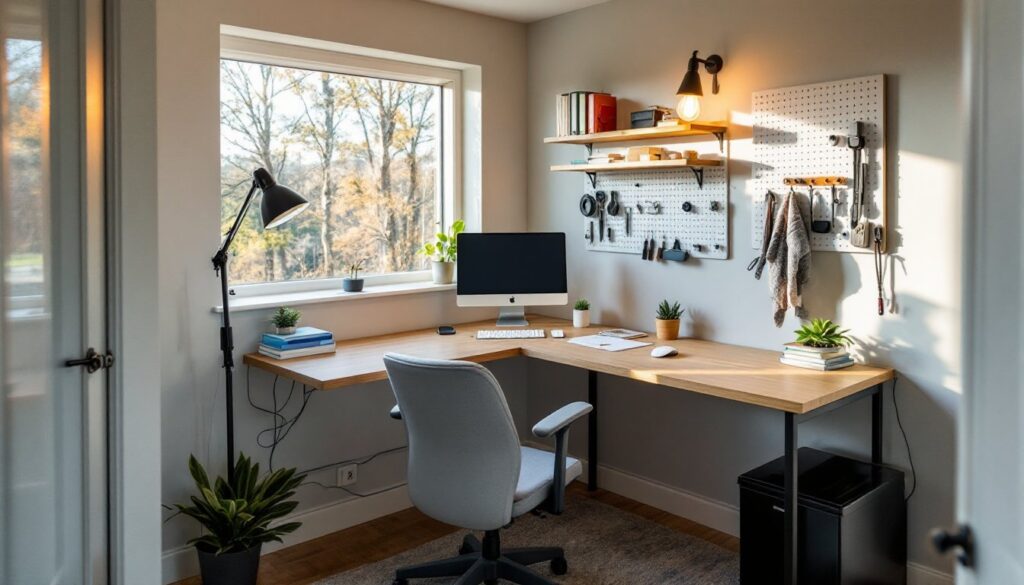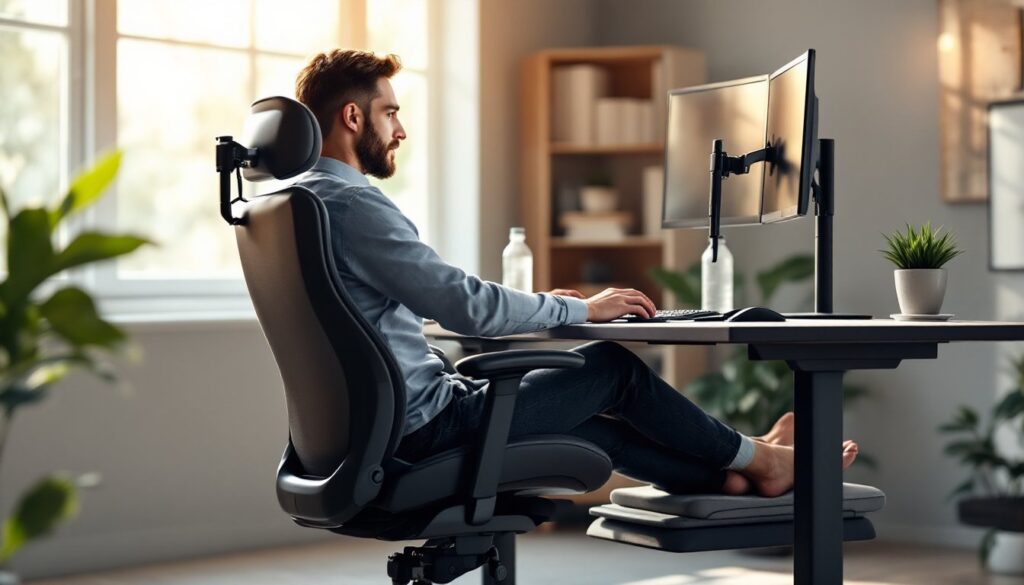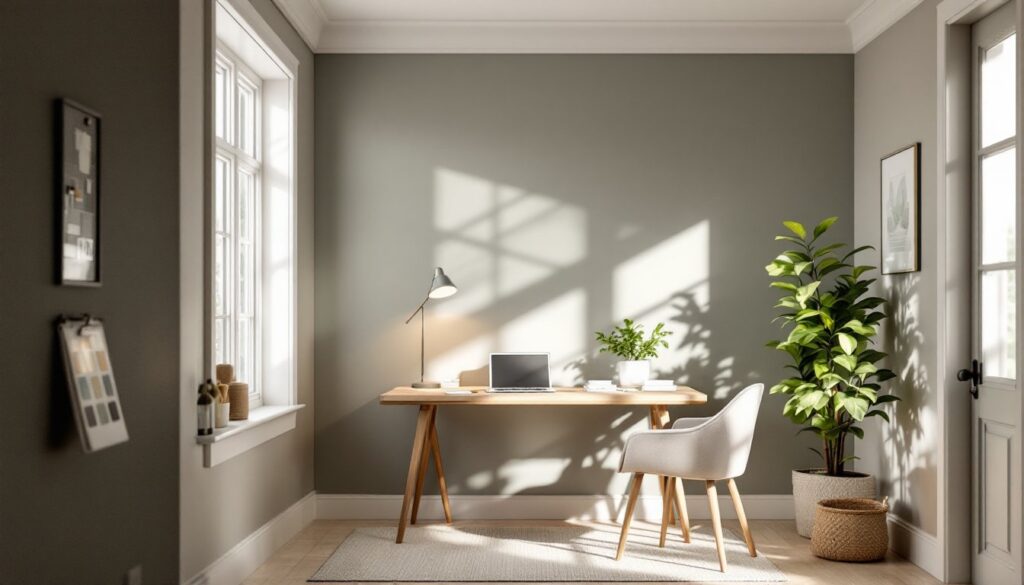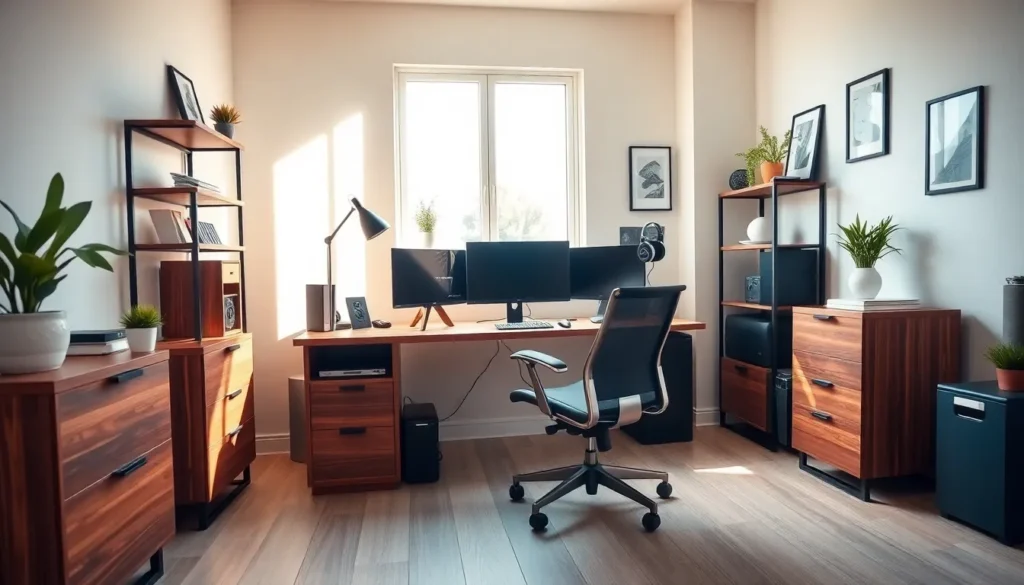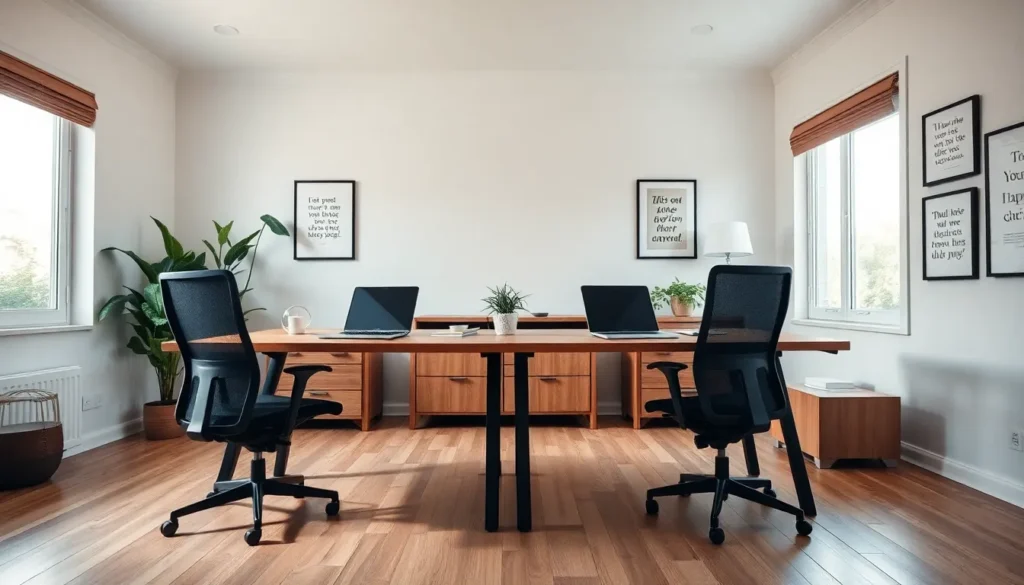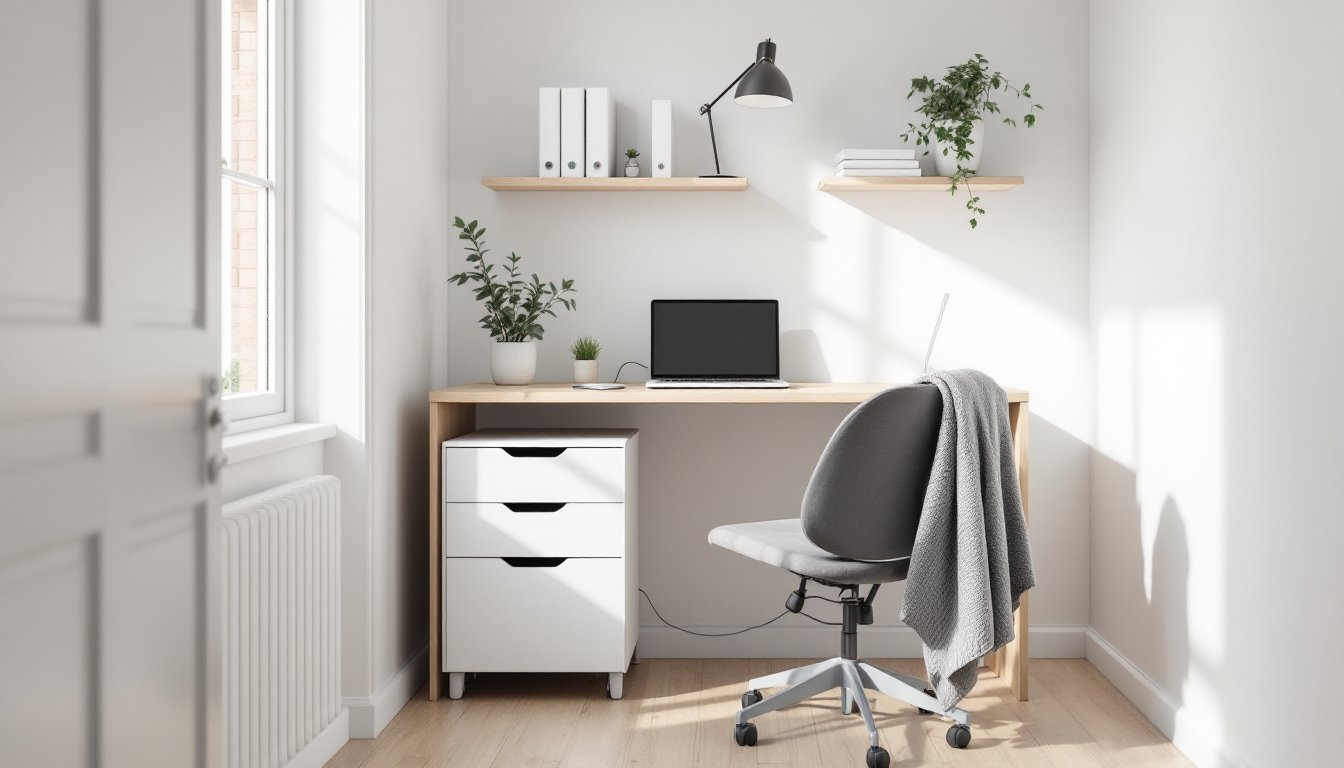

Working from home doesn’t mean accepting a cramped, uncomfortable setup. Small home office furniture sets solve one of the biggest challenges remote workers face: fitting everything you need into limited square footage without compromising comfort or aesthetics. Whether you’re tucking an office into a spare bedroom, corner of a living room, or a converted closet, the right furniture can make all the difference. Today’s compact office collections combine smart design, storage solutions, and modern styling to help you create a productive workspace that actually looks intentional. This guide walks you through what to prioritize when shopping for small office furniture and shows you realistic options for different budgets and design preferences.
Table of Contents
ToggleKey Takeaways
- Small home office furniture sets combine smart design and storage solutions to maximize productivity in limited spaces without sacrificing comfort or style.
- Coordinated furniture sets save money long-term and eliminate guesswork about sizing, proportions, and ergonomics compared to buying pieces individually.
- Multifunctional pieces with integrated storage, cable management, and vertical shelving are essential for keeping clutter at bay and making tight quarters feel organized.
- Modern minimalist and Scandinavian designs dominate the small office market because their clean lines and neutral palettes make compact spaces feel calm and less cramped.
- Budget-friendly options like flat-pack furniture, strategic sale shopping, and secondhand pieces can deliver functional, attractive small office setups for $200–$1,000 or less.
- Prioritize investing in a quality desk and chair—you’ll spend 40+ hours weekly in that setup—while allowing shelving and storage to expand over time as your budget allows.
Why Small Home Office Furniture Sets Are Worth the Investment
Buying a coordinated furniture set instead of picking pieces individually might seem like spending more upfront, but it often saves money and headaches down the line. When pieces are designed to work together, matching proportions, finishes, and functionality, your space feels cohesive and intentional rather than cobbled together. A set also eliminates guesswork about sizing, color coordination, and whether your chair will fit under your desk or your shelves will align with your wall space.
Beyond aesthetics, coordinated sets are engineered to maximize function in tight quarters. Drawers align with knee space, shelves fit above desk surfaces without blocking sightlines, and cable management is built in from the start. You’re not jury-rigging solutions with clips and ties, the designer already thought through the ergonomics. For remote workers spending 6–8 hours daily at their desk, this matters. Discomfort adds up, affecting posture, focus, and long-term back health.
Small home office furniture sets also adapt to real life. Many feature modular components: add a shelf unit later, swap out a drawer stack, or reconfigure the layout if your needs change. That flexibility makes them smarter long-term investments than fixed setups.
Key Features to Look For in Compact Office Furniture
Multifunctional Pieces and Storage Solutions
The golden rule for small office furniture: every piece should earn its real estate. A simple desk is just a desk, but one with integrated drawers, shelves, or a hutch above it does the work of three separate items. Look for desks with cable management built underneath, small channels that hide cords and keep clutter off your work surface.
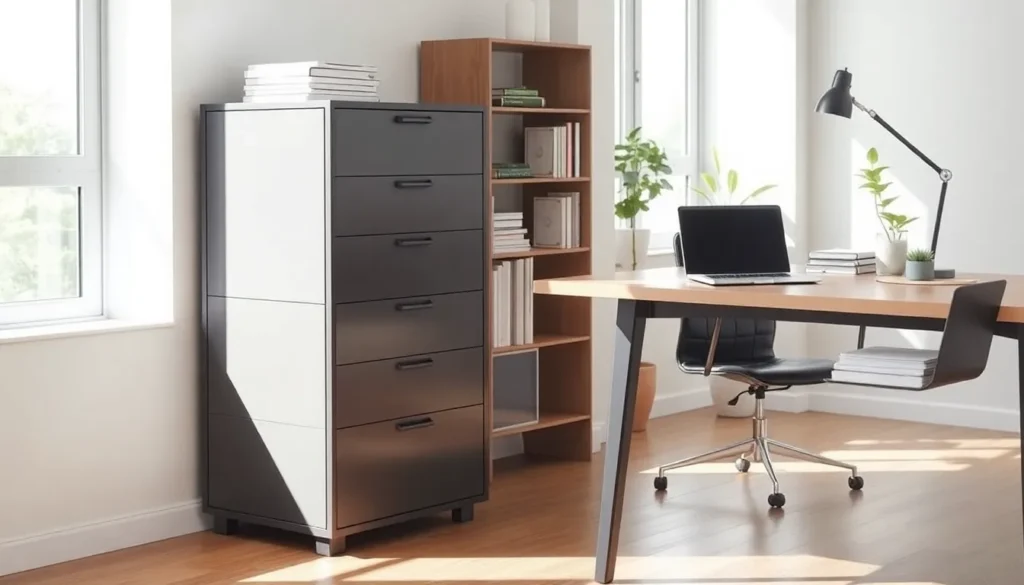
Storage is non-negotiable in a small workspace. Without shelving, file cabinets, or drawer units, papers pile up and your focus scatters. File cabinets for home office solutions don’t have to be bulky: lateral cabinets in 2- or 3-drawer configurations take up far less floor space than deep filing systems and often fit beneath a counter. Wall-mounted shelves above your desk add storage without consuming footprint, though you’ll want to limit items to essentials, an overloaded shelf feels cramped, not organized.
Height and depth are critical. A shallow desk (36–42 inches deep) leaves more floor space than a traditional 30-inch depth and still accommodates a monitor and keyboard comfortably. Vertical storage, tall, narrow bookcases rather than wide, squat ones, draws the eye upward and makes a room feel larger. If you’re shopping sets, confirm these specs match your square footage before committing.
Popular Small Home Office Furniture Set Styles
Modern Minimalist and Scandinavian Designs
Minimalist office sets have dominated the small-space market for good reason: they’re visually quiet, which makes tight quarters feel less cluttered. Think clean lines, neutral colors, and zero ornamental fuss. A typical set includes a simple desk in white, natural wood, or light gray: a streamlined chair: and one or two open shelves. Because nothing fights for visual attention, even a 100-square-foot office feels calm and focused.
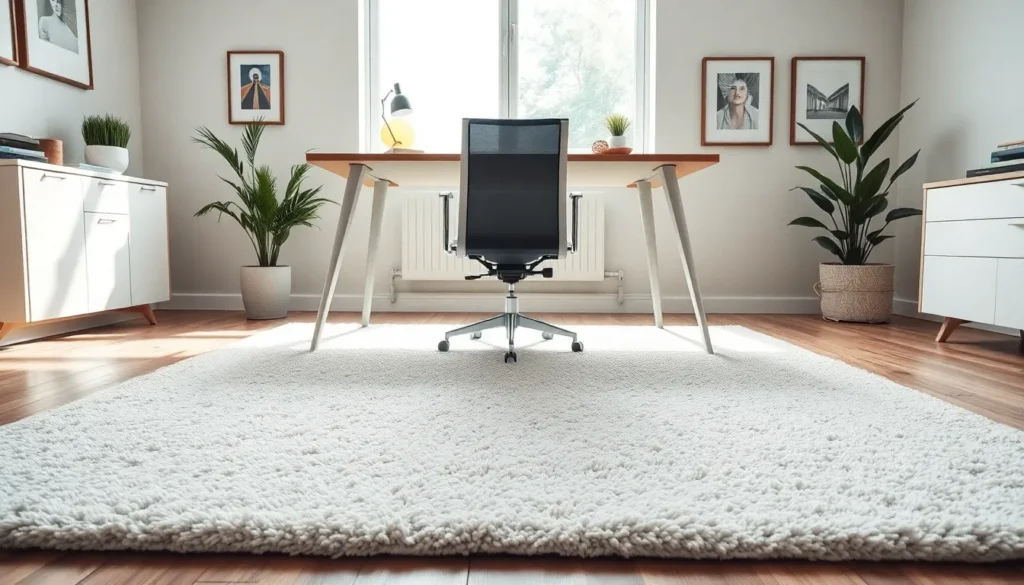
Scandinavian design shares minimalism’s restraint but adds warmth through natural materials and soft textures. Light birch or pine desks, cozy wool rugs, and simple metal or wood shelving create an inviting workspace that doesn’t feel cold or sterile. Home office styles in this category tend to age well, you won’t tire of them in two years because they’re not chasing trends.
If you’re drawn to color and pattern, modern eclectic sets are increasingly available. These might pair a bold desktop color (forest green, terracotta, or navy) with natural wood legs and neutral walls. The key is restraint: one statement piece, everything else neutral. This approach lets you refresh your space by swapping a chair or cushion without replacing the entire set. Platforms like IKEA Hackers showcase how modest furniture can be customized with paint, stain, or creative modifications to match your personal style while keeping costs down.
Budget-Friendly Tips for Furnishing Your Compact Workspace
You don’t need $2,000+ to assemble a functional, attractive small office. Smart shopping is the game-changer. First, set a budget and stick to it, bleed-over expenses add up fast when you’re buying multiple pieces.
Consider flat-pack or knock-down furniture from retailers like IKEA, Wayfair, or Article. These options cost 30–50% less than pre-assembled pieces and are often designed specifically for small spaces. Yes, assembly takes time, but you’re paying for that savings. Before ordering, measure your doorways and stairwells, some flat-pack items are surprisingly large when boxed.
Shop sales strategically. Post-holiday sales (January, early September) and clearance events offer 20–40% discounts. Online-only brands sometimes undercut big-box stores significantly. Home office ideas for small spaces often highlight affordable finds from contemporary retailers.
Consider used or refurbished pieces for items like chairs or filing cabinets, where cosmetic wear doesn’t affect function. Local office liquidators often have durable furniture from closed businesses at steep discounts. One reader found a Herman Miller chair for $200 at a liquidation sale, retail would’ve been $1,500+. Pair a secondhand chair with a new, budget-friendly desk to balance cost and comfort.
Finally, resist the urge to fill every inch. An unfurnished corner feels more spacious than a corner crammed with shelves. Buy what you actually need, and stop. Small desks for home office options abound in the $200–500 range that deliver quality and style. Prioritize your desk and chair, you’ll spend 40+ hours per week in that chair, so skimping there hurts. Storage and shelving can grow over time as your budget allows. Design platforms like Apartment Therapy and Homedit regularly feature small office setups under $1,000 that prove constraint breeds creativity.
Conclusion
Small home office furniture sets aren’t a compromise, they’re a smart solution tailored for how people actually work today. By prioritizing multifunctional pieces, matching your style preference, and shopping strategically, you’ll create a workspace that’s both practical and pleasant. Measure carefully, think about your daily workflow, and invest in comfort first. Your productivity (and your back) will thank you.