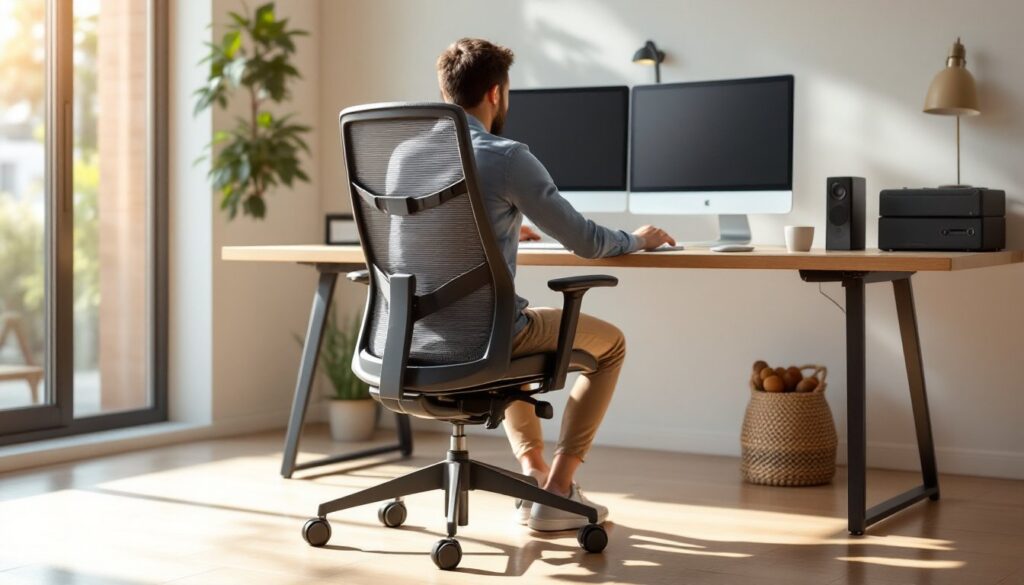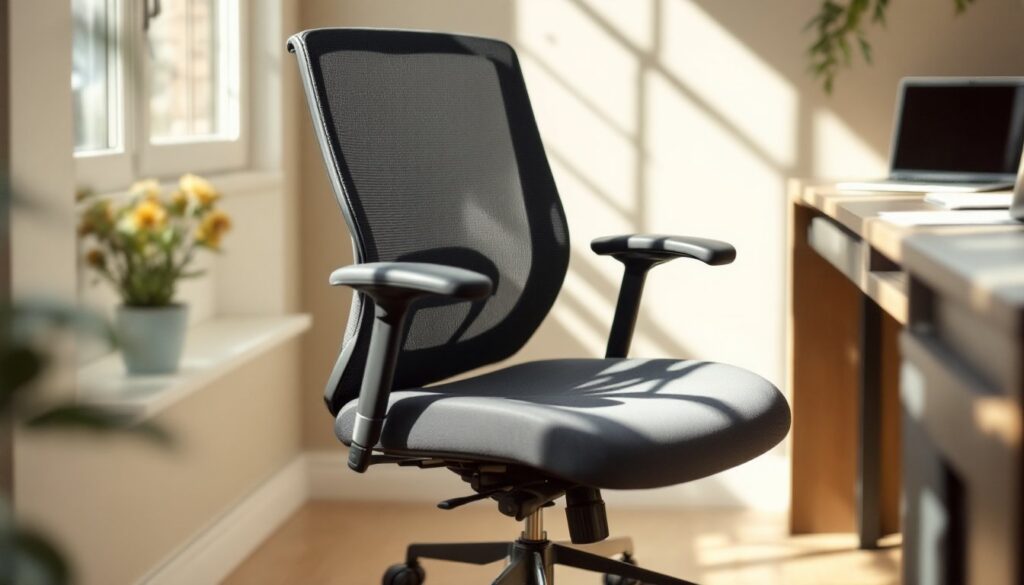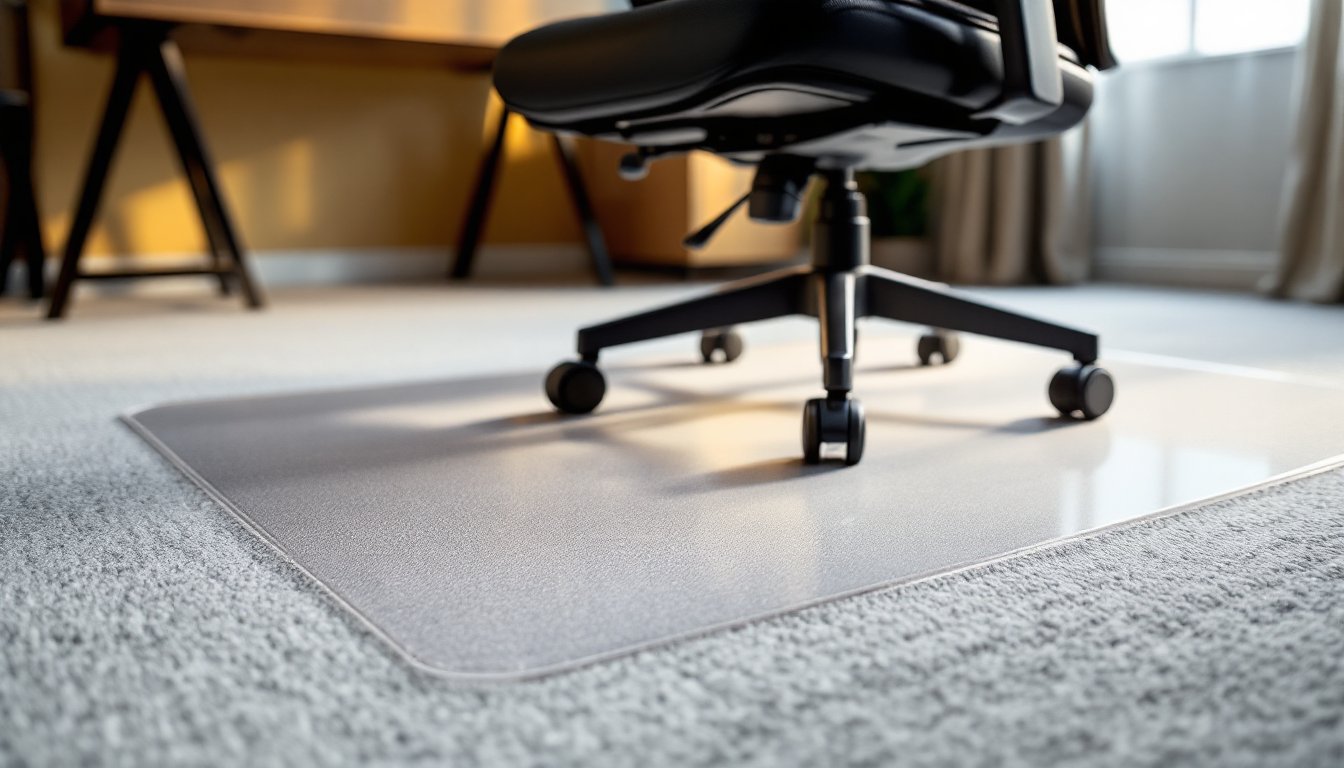

A rolling office chair on carpet is like letting water drip on drywall, damage happens fast and quietly. Within months, heavy chair wheels compress fibers, create permanent divots, and snag loose threads that unravel into bigger problems. Whether your home office sits in a bedroom corner or a finished basement, an office chair mat for carpet is one of the simplest defenses against wear. This guide walks you through why mats matter, which types actually work, and how to pick one that fits your space and budget without looking like an afterthought.
Table of Contents
ToggleKey Takeaways
- An office chair mat for carpet prevents permanent damage from wheel compression and can save hundreds or thousands in carpet replacement costs.
- Hard polycarbonate mats work best for low-to-medium pile carpets with frequent rolling, while soft pile mats are gentler for plush carpets and lighter daily use.
- The ideal mat size should cover your typical chair roll range plus the seated footprint—typically at least 36 inches wide by 48 inches deep for most home offices.
- A ¼ to ⅜-inch thick mat is the sweet spot for home offices, balancing durability and stability without creating tripping hazards at edges.
- Proper installation requires thorough carpet vacuuming, room temperature acclimation, and careful positioning to keep the entire chair base on the mat.
- With weekly vacuuming and monthly damp-cloth cleaning, hard mats last 5–8 years and soft mats last 3–5 years, protecting your carpet investment long-term.
Why You Need An Office Chair Mat For Carpeted Floors
Carpeted office spaces face unique wear patterns that hard floors don’t. Chair wheels concentrate all your weight into narrow contact points, and repeated rolling over the same path crushes pile fibers until they mat down permanently. Unlike hardwood or tile, carpet can’t be easily refinished, once those fibers flatten, they’re gone.
Beyond appearance, failing to protect carpet can cost real money. Replacing a 10-by-12-foot room section might run $800 to $2,000 depending on carpet quality and regional labor rates. A quality chair mat costs $40 to $150 and lasts several years. The math is simple.
Secondary damage happens too. Wheel ruts can harbor dust and allergens in the compressed fibers, making your workspace harder to keep clean. If you rent, neglecting carpet protection may trigger damage charges from your landlord. Homeowners building equity in their space should protect it just as seriously.
Types Of Office Chair Mats For Carpet
Chair mats come in three main categories: hard polycarbonate, soft pile-friendly mats, and hybrid designs. Each serves different carpet types and aesthetic goals.
Hard polycarbonate mats are the industry standard for commercial and home offices. Made from clear or tinted plastic, typically ¼ to ⅜ inch thick, they slide smoothly under most office chairs and roll without resistance. Many feature textured undersides or ridges to prevent slipping on carpet. The trade-off: they look utilitarian, and some users find hard mats less comfortable than carpet when pushing back from a desk. Hard mats work best on low-to-medium pile carpet.
Soft pile mats, usually made from rubberized backing with a fabric surface, sit directly on carpet and feel less jarring. They’re gentler on fine or plush carpets and blend better with decor. But, they offer less mobility, chairs roll with slightly more friction, and the mat itself can shift if your chair base sits outside its edges. Soft mats work best for lighter daily use and shorter distances.
Hybrid mats combine rigid edges with a padded or textured center, offering compromise between roll-ability and comfort. They cost more but suit homeowners wanting both protection and softer feel.
Hard Surface Vs. Soft Pile Mats
Chosing between hard and soft depends on three factors: your carpet’s pile height, how much you roll, and aesthetics. Low pile (¼ inch or less) and berber carpets pair well with hard mats: they’re firm enough to support the plastic without bunching. Medium and high pile (½ inch and up) can work with hard mats, but soft mats prevent the mat from sinking unevenly into plush fibers. If you roll your chair 20+ times daily, hard mats reduce effort. If movement is light and occasional, soft mats feel more natural underfoot. Hard mats are transparent and relatively invisible: soft mats come in colors and patterns that can coordinate with decor. There’s no universally “right” choice, it’s about your specific setup and preference.
How To Choose The Right Size And Thickness
Size matters more than most DIYers realize. A mat that’s too small leaves carpet exposed where your chair wheels actually travel, defeating the whole purpose. A mat that’s too large crowds the room and looks awkward.
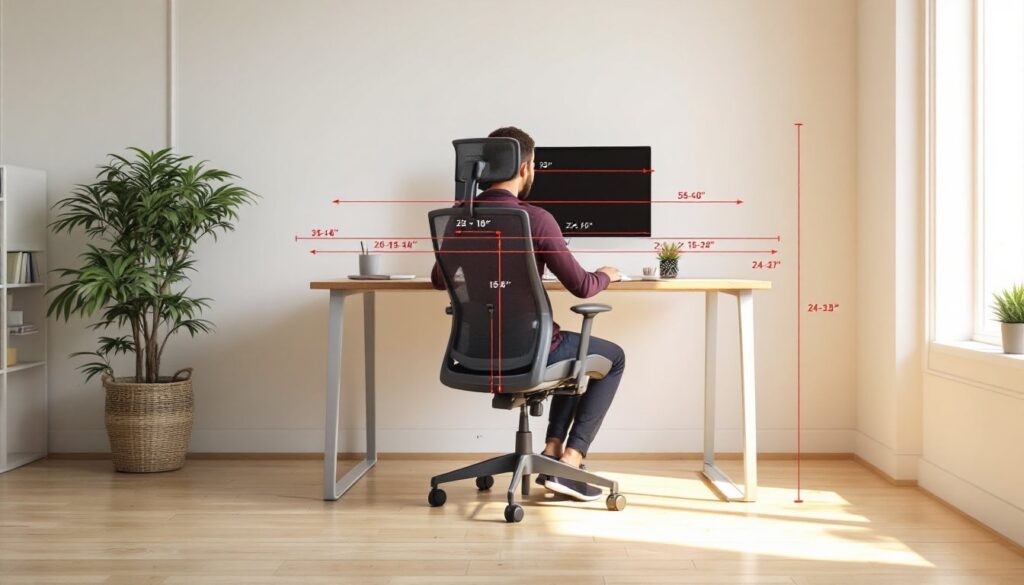
Measure your typical chair roll range: sit at your desk, then push your chair fully back to where you normally stop. That distance, plus the chair’s footprint when seated, defines your protected area. Most home office setups need a mat at least 36 inches wide by 48 inches deep: if your desk is deep or you have a tall drafting chair, go 48 by 60 inches. Commercial-grade mats come in standard sizes (36×48, 45×53, 48×60, and 60×96 for larger areas), making it easy to find an exact fit.
Thickness affects durability and feel. Mats under ¼ inch are lightweight and budget-friendly but flex more and wear faster under heavy use. ¼-inch mats are the sweet spot for most home offices, rigid enough to protect without feeling flimsy. ⅜-inch and ½-inch mats provide maximum durability and comfort but cost more and can create a slight edge where the mat meets carpet, a tripping hazard in some setups. For a permanent home office, invest in ¼ to ⅜ inch. For temporary or light use, ¼ inch is sufficient.
Weight is a practical consideration too. Lighter mats ($30–$60) often curl at the edges or shift: heavier mats ($80+) with reinforced backing stay put. Polycarbonate density varies, compare weight specs if available. A good rule: a 36×48-inch mat should weigh at least 8 to 10 pounds to stay stable.
Installation And Setup Tips
Installation sounds simple, unroll the mat, place it, done. But a few prep steps prevent frustration and ensure long-term performance.
First, vacuum the carpet thoroughly. Dust, pet hair, and debris trapped under the mat create bumps and reduce friction gripping. Use a carpet attachment and work the high-traffic area, paying special attention to grain direction.
Second, acclimate the mat if it was shipped in cold. Mats stored or shipped in winter can be stiff and prone to cracking. Leave it in your office at room temperature for 4 to 8 hours before laying it flat.
Third, position the mat carefully. Most people center it under their desk area and extend it back to where they’ll roll. Don’t leave the mat edge too close to the chair’s normal sitting position, you want the full chair base on the mat to avoid catching wheels on the mat edge. If your chair base is wider (like a large gaming chair), account for that overhang.
For hard mats on plush carpet, you may notice the mat settling slightly into fibers over the first week. This is normal. If the mat curls at edges (common in dry climates), try light weights, books, dumbbell plates, at corners overnight. Remove them once the mat relaxes. Don’t use adhesive tape unless absolutely necessary: it’s hard to remove later without damaging both mat and carpet. Edge-curling is usually temporary and resolves on its own. If edges remain problematic, consider a soft-pile mat or a hard mat with edge guards sold separately.
Maintenance And Care For Long-Lasting Protection
A chair mat is low-maintenance, but regular cleaning extends its life and keeps your office hygienic.
Weekly care is straightforward. Vacuum the mat’s surface and the visible carpet around it. Most chair mats resist dirt, but dust settles in the texture. Use the same vacuum attachment as your regular carpet cleaning.
Monthly deeper cleaning involves wiping the mat with a damp microfiber cloth and mild all-purpose cleaner. Hard plastic mats tolerate water well and dry quickly. Soft-pile mats should be wrung out thoroughly, excess water can seep into carpet backing. Never soak a mat or use harsh solvents: they can degrade plastic or fabric.
Spill protocol is critical. If coffee or water spills on the mat, absorb it immediately with a towel or paper towels. Let the mat air-dry completely before returning your chair to it. For sticky spills (soda, juice), warm water and a cloth usually suffice. Avoid vinegar-based cleaners on polycarbonate, over time, they can cloud the surface. Most mats yellow slightly with age and sunlight exposure: this doesn’t affect function but consider UV-blocking window coverings if fading is a concern.
Replacement timeline depends on use and material quality. Hard mats last 5 to 8 years with normal office use. Soft mats often show wear sooner (3 to 5 years) because they’re thinner and more prone to surface abrasion. If your mat cracks, becomes permanently discolored, or develops recurring curling even though proper storage, replacement is overdue. At that point, you’ve protected your carpet investment, time to refresh the mat itself.
Stored mats (for seasonal offices or if you move) should be kept flat in a cool, dry place. Roll them loosely only if space is tight, and unroll them at least monthly to prevent permanent creases. Keep mats away from direct heating vents and extreme cold, which speed degradation.
Conclusion
An office chair mat is unglamorous but essential protection for carpeted workspaces. Choose the right size and type for your carpet’s pile height and your daily use patterns, install it properly after good surface prep, and maintain it with basic weekly cleaning. Done right, a mat keeps carpet looking fresh for years longer while costing far less than repair or replacement. Your future self, and your carpet, will thank you for the small investment today.