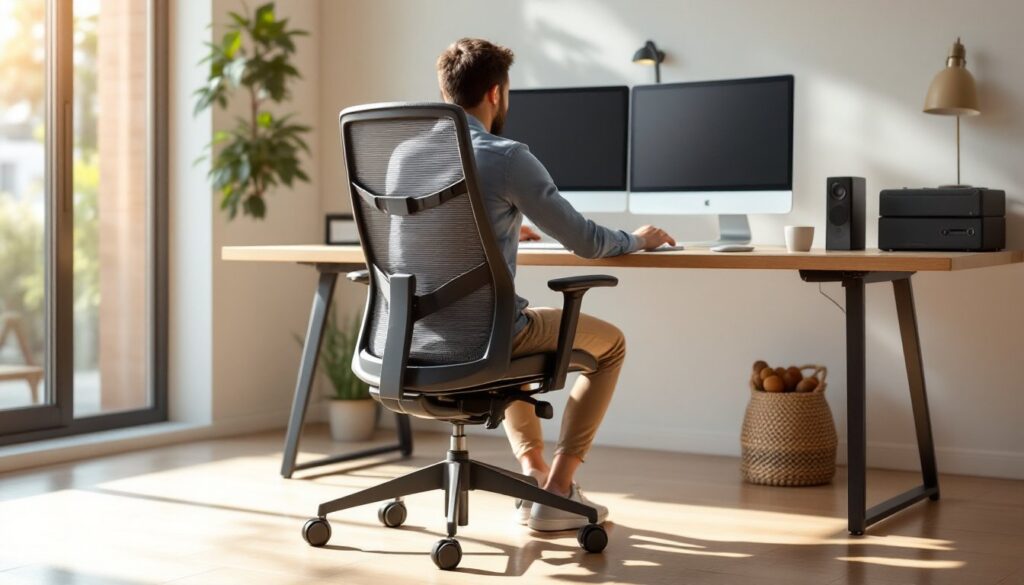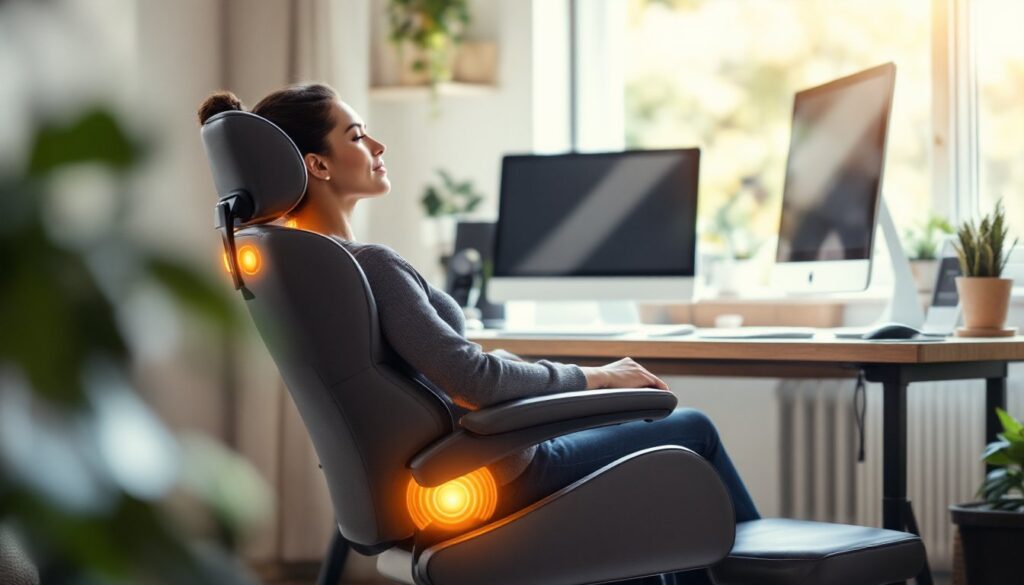

A quality stationary office chair isn’t just furniture, it’s the foundation of productive work from home. Whether you’re setting up a dedicated home office or converting a corner of your bedroom into a workspace, the right chair makes the difference between eight comfortable hours and a sore back by lunch. With so many options available, choosing the perfect stationary office chair requires understanding what separates a well-designed seat from one that’ll collect dust. This guide walks you through the essential features, setup tips, and styling considerations to help you find a chair that works hard as you do.
Table of Contents
ToggleKey Takeaways
- A quality stationary office chair supports your spine’s natural curve and prevents long-term pain, making it a cost-effective investment over 3–5 years of daily use.
- Essential features include adjustable lumbar support, a 17- to 20-inch seat width, a five-point base, and foam padding at least 3 inches thick to ensure proper ergonomic support.
- Proper setup—with feet flat on the floor, knees at 90 degrees, and lumbar support positioned at the small of your back—is critical for comfort and injury prevention.
- Mesh upholstery works best for warm environments and easy maintenance, while fabric offers warmth and sound dampening with more care requirements.
- Your stationary office chair’s color, finish, and size should complement your workspace aesthetic and account for your room’s spatial constraints to create an intentional office environment.
Why Invest in a Quality Stationary Office Chair
Spending five to eight hours daily in a cheap chair adds up fast. Poor lumbar support, inadequate seat height adjustment, and flimsy materials lead to neck strain, lower back pain, and poor posture, problems that follow you beyond the office. A well-made stationary office chair supports your spine’s natural curve, distributes weight evenly, and keeps your feet flat on the floor, reducing fatigue and boosting focus.
Quality also means durability. A solid chair with reinforced joints, breathable upholstery, and smooth-rolling casters lasts years, not months. When you calculate the cost per use over three to five years, investing upfront in a reliable chair becomes economical. Beyond physical comfort, a chair that fits your space and aesthetic makes your office feel intentional rather than makeshift, and that mindset shift matters when you’re working from home.
Key Features to Look for in a Stationary Office Chair
Ergonomic Support and Adjustability
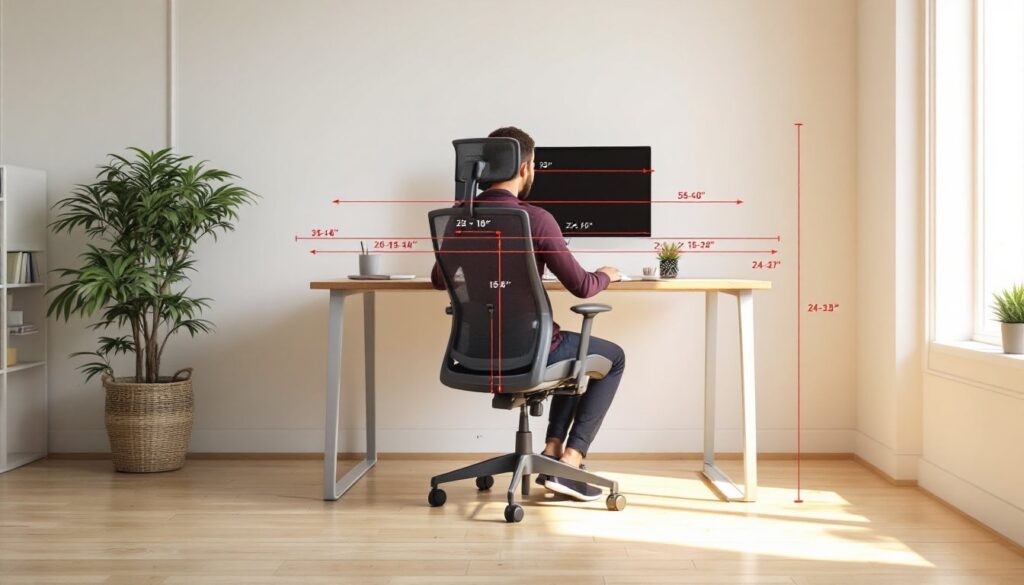
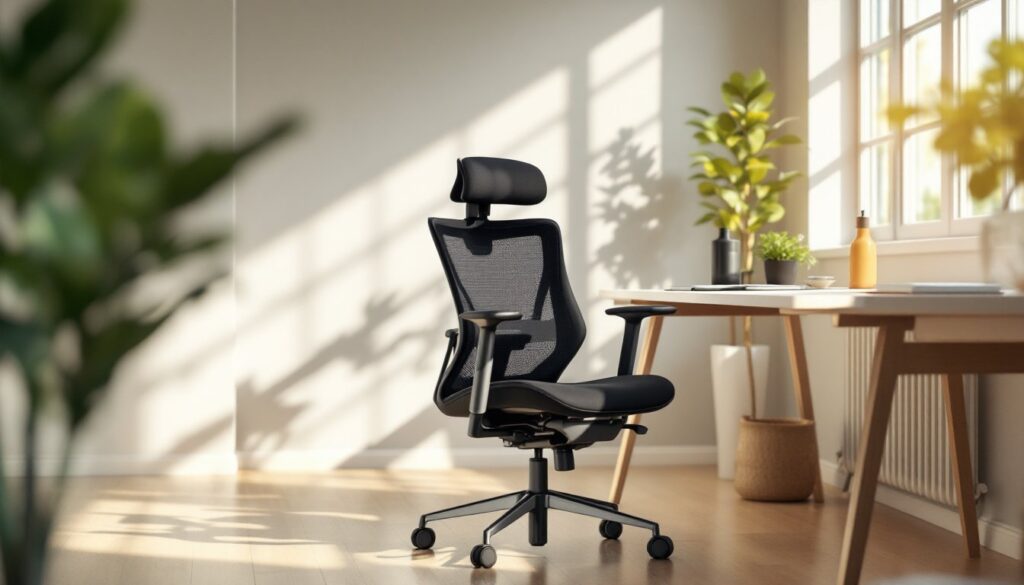
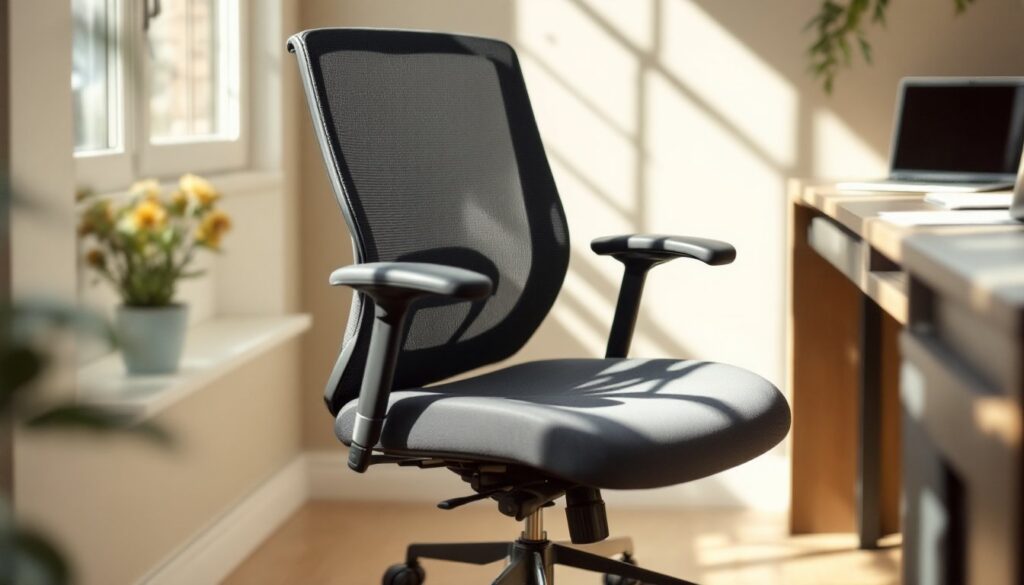
Ergo-centric design isn’t marketing jargon: it’s the difference between comfort and chronic pain. Look for chairs offering multiple adjustment points: seat height, backrest angle, lumbar support depth, and armrest height. Adjustable lumbar support, the curve that props up your lower back, is non-negotiable for extended sitting. Your feet should rest flat on the floor or footrest with thighs parallel to the ground when seated: if the chair doesn’t adjust to your proportions, it won’t work, regardless of brand.
Seat width and depth matter too. A 17- to 20-inch-wide seat accommodates most adults, while a depth between 16 and 18 inches prevents the backrest from digging into your calves. Look for a seat with slight forward tilt and memory foam or high-density foam padding (at least 3 inches thick) that doesn’t bottom out when you sit.
Materials and Durability
Mesh upholstery breathes well during warm months and is easy to clean, making it practical for high-use environments. Fabric (woven polyester or wool blends) offers warmth and sound dampening but requires more maintenance. Genuine leather looks sharp but needs conditioning: bonded leather or faux leather provides a similar aesthetic with easier care, though it’s less durable.
Base and casters reveal a chair’s real quality. A five-point base (wider wheelbase) is more stable than four-point. Casters should roll smoothly on your flooring, hard floors need soft casters, carpet needs hard casters, and lock firmly in place if you need the chair stationary. The gas cylinder (the pneumatic mechanism that controls seat height) should support at least 300 pounds: cheaper chairs here tend to sag or leak.
Setting Up Your Stationary Office Chair for Maximum Comfort
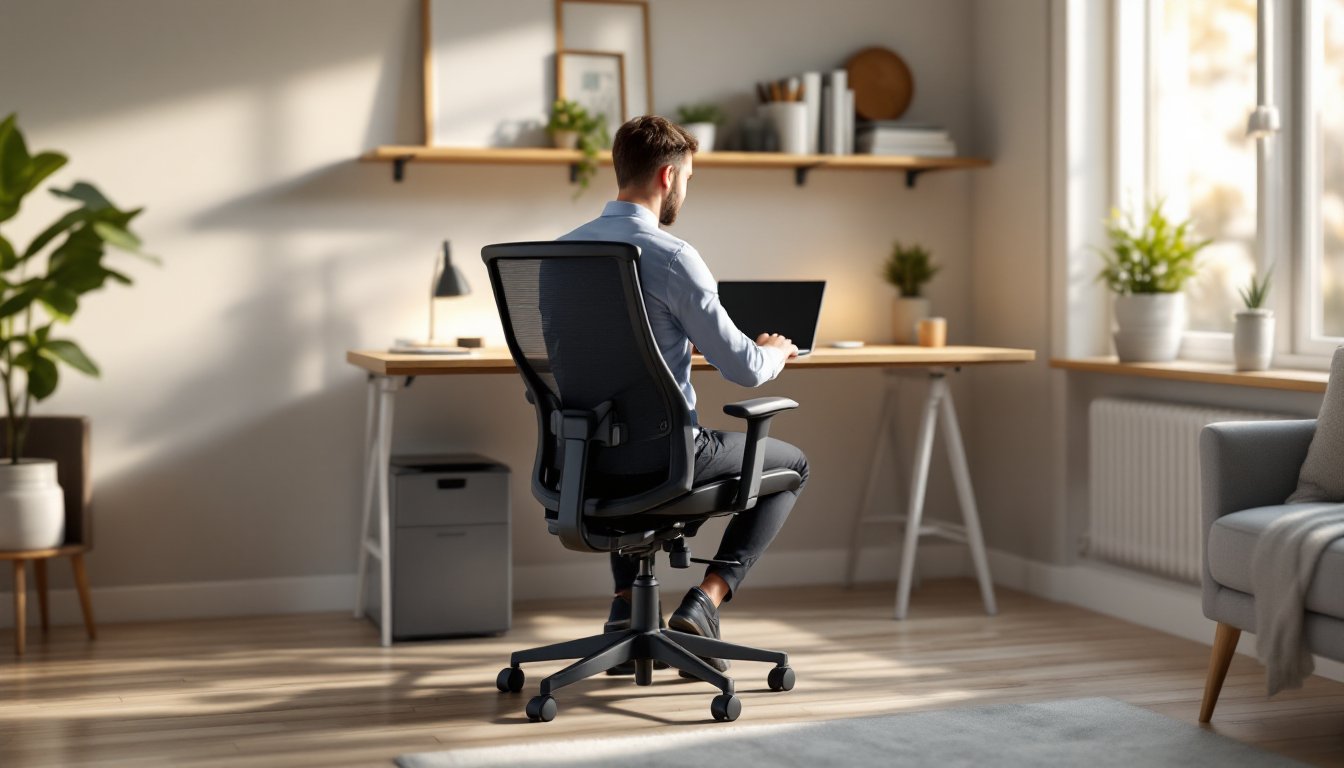
Chair setup determines whether you’re comfortable or creeping toward injury. Start with seat height: adjust so your feet rest flat on the floor with knees at roughly 90 degrees. Your desk should align with your elbows when arms hang naturally: if it doesn’t, a footrest or desk riser corrects the geometry.
Next, address lumbar support. If your chair has an adjustable lumbar knob or slider, position it at the small of your back where your natural spine curve exists (roughly 2 inches above your belt line). A lumbar pillow or roll (typically $15–$40) adds targeted support if your chair doesn’t adjust.
Armrest height should let your elbows rest at 90 degrees without your shoulders hunching or arms floating. Many people disable armrests incorrectly or set them too high, which defeats the purpose. If your chair’s armrests don’t adjust, consider aftermarket clip-on options or remove them entirely if they interfere.
Backrest angle matters less than people think, but a slight recline (10–20 degrees from vertical) reduces spinal compression during long focus sessions. Avoid fully reclined positioning for actual work, it strains your neck and shoulders. Finally, test your chair for a full workday before deciding it’s “broken in.” Most quality chairs require a week of adjustment before your body adapts: don’t judge comfort by the first hour.
Styling Your Office Space Around Your Chair
A chair isn’t an island. Its finish, color, and scale influence your entire workspace aesthetic. A black mesh chair suits a minimal, tech-forward office: a beige fabric chair pairs well with warm, traditional décor. Consider whether your chair’s base and casters match your flooring’s visual weight, glossy chrome bases feel contemporary, while matte black bases ground spaces with heavier furniture.
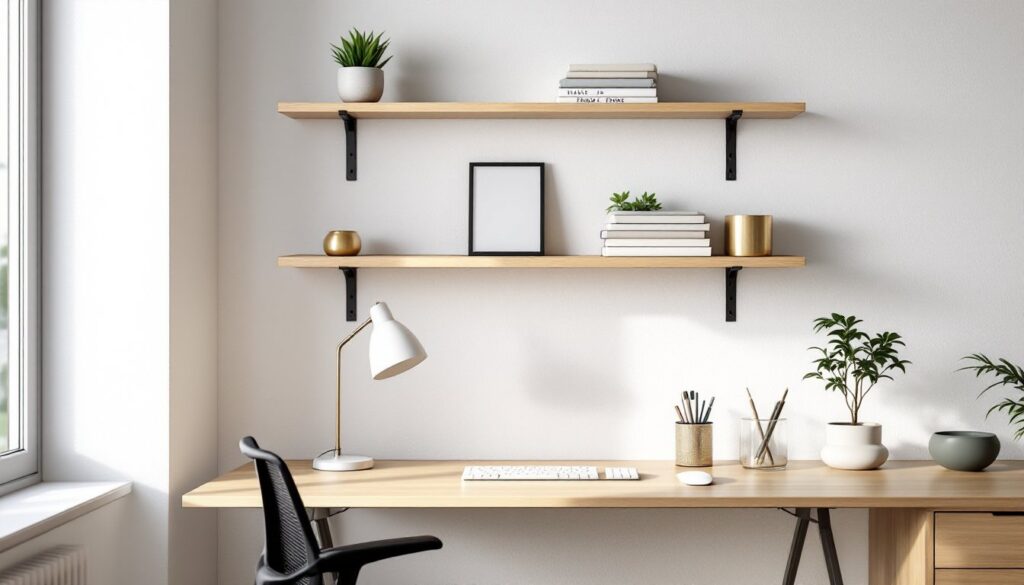
Size matters for spatial flow. An oversized ergonomic chair dominates a small home office, while a compact task chair might look insufficient in a spacious dedicated room. Measure your space and account for the chair’s footprint (most are 25–27 inches wide) plus clearance for rolling. If you’re working with limited square footage, wall-mounted desks and floating shelves create breathing room around the chair.
Storage and cable management near your chair reduce visual clutter. A small side table or cart holds reference materials and charging devices within arm’s reach, eliminating the urge to swivel and strain. If you’re in a multi-use room (guest bedroom-office hybrid), a chair on wheels and folding desk let you reclaim space when needed. Resources like IKEA Hackers showcase creative solutions for dual-purpose offices on tight budgets.
Conclusion
Choosing the right stationary office chair is an investment in both comfort and productivity. Prioritize adjustable ergonomic support, durable materials, and proper setup over brand names or price tags alone. A chair that fits your body, your desk height, and your space’s aesthetic will serve you reliably for years, making those daily work hours feel intentional rather than endured.