In every workshop, cutting tools are the unsung heroes, quietly wielding their power to transform raw materials into masterpieces. Whether it’s a trusty saw or a precision knife, these tools are like the secret sauce that makes every project a success. Without them, even the best ideas risk becoming mere daydreams, lost in a sea of uncut wood and stubborn metal.
Overview of Cutting Tools in Workshop
Cutting tools serve a fundamental role in workshops, enabling the effective transformation of raw materials. These instruments assist in creating intricate designs and functional products, making them indispensable for various projects.
Importance of Cutting Tools
Cutting tools are essential for precision and accuracy in manufacturing processes. They enhance efficiency, allowing craftsmen to execute tasks quickly and effectively. Without these tools, many projects might not materialize, as raw materials require specific manipulation to achieve desired outcomes. Moreover, high-quality cutting tools contribute to safer working environments by minimizing miscuts and accidents.
Types of Cutting Tools
Various types of cutting tools exist, each designed for specific applications. Saws come in multiple forms, including circular saws and band saws, primarily used for cutting wood and metals. Precision knives provide detail work essential for crafts and model-making. Drills and drill bits allow for creating holes in different materials. Additionally, rotary tools and shears cater to intricate designs in thin materials. Proper selection of cutting tools improves overall project quality and efficiency in workshops.
Common Cutting Tools
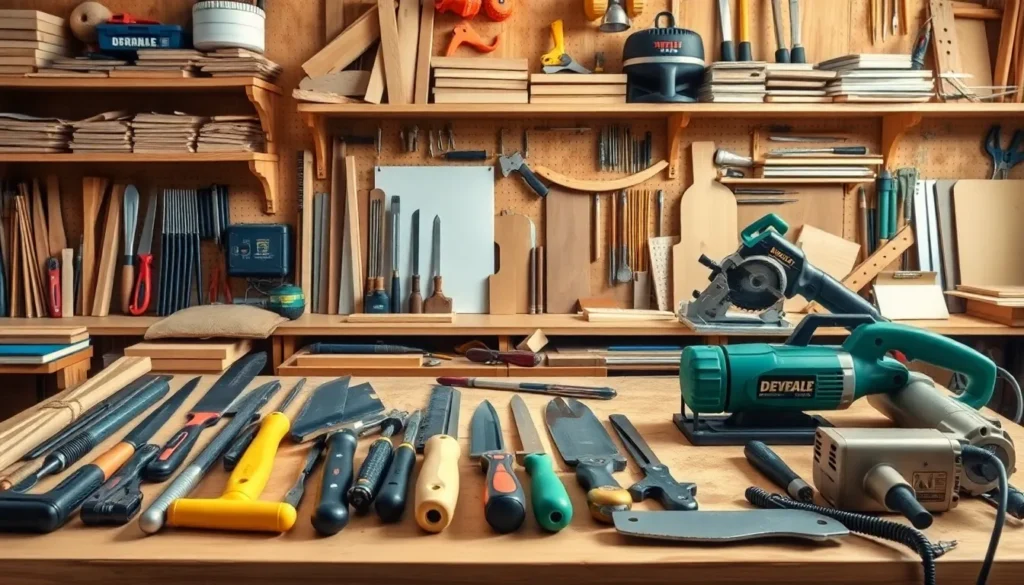
Cutting tools are essential in workshops, improving precision and efficiency. Understanding the types of tools available helps in selecting the right one for specific tasks.
Hand Tools
Hand tools play a vital role in performing detailed cuts. Saws are commonly used for larger materials, while utility knives provide precision for smaller tasks. Chisels excel in shaping wood with accuracy. Such tools rely on user skill, allowing for close control over cuts. Often, these tools are lightweight, making them ideal for intricate work. Their simplicity in design enables easy maintenance.
Power Tools
Power tools offer enhanced efficiency in cutting tasks. Circular saws can make straight cuts rapidly, while jigsaws provide versatility for curved lines. Angle grinders are effective for metal cutting and surface preparation. These tools often come equipped with adjustable settings, allowing users to match speed and power to specific materials. Safety features on many power tools help prevent accidents, enhancing user confidence. Battery-operated varieties enhance portability, making them suitable for work away from power sources.
Choosing the Right Cutting Tools
Selecting appropriate cutting tools significantly impacts project quality and efficiency in workshops. Different tasks require specific designs and functionality from tools.
Factors to Consider
Several factors influence the right tool choice. Material type plays a crucial role; for example, wood requires different tools than metal or plastic. Tool size and weight should match user comfort and project needs. Durability matters; high-quality materials ensure long-lasting performance. Consider the complexity of the cuts required; intricate designs often need precision tools. Lastly, budget constraints influence selection. Assessing both initial costs and long-term value can help in making informed decisions.
Safety Tips
Maintaining safe practices while using cutting tools is essential. Always wear appropriate personal protective equipment like goggles and gloves. Familiarize oneself with the tool’s specific safety features; understanding how these features work can prevent accidents. Keep work areas clean and free from distractions; a clutter-free space promotes focus. Regular maintenance, including sharpening blades and checking for defects, enhances safety and performance. Following manufacturer guidelines effectively reduces the risk of injuries, ensuring that every cutting task remains secure and productive.
Maintenance of Cutting Tools
Maintaining cutting tools ensures longevity and performance. Regular upkeep enhances tool efficiency and contributes to safer workshop environments.
Cleaning and Storage
Tools must stay clean to function effectively. After each use, clean blades and surfaces to remove debris and residue. Moisture can lead to rust, so dry tools thoroughly before storing them. Store cutting tools in a designated area away from humidity and direct sunlight. Using tool organizers or cases prevents damage and makes retrieval easier. Periodic inspections for signs of wear also ensure that tools remain in optimal condition.
Sharpening Techniques
Sharp tools yield cleaner cuts and reduce strain on the user. Several techniques can enhance sharpness. For most cutting tools, using a sharpening stone, honing device, or file achieves desired results. Maintain a consistent angle while sharpening for even edges. Check sharpness frequently during tasks and sharpen as needed to avoid ineffective cutting. Following the manufacturer’s instructions on sharpening ensures tools retain their integrity and performance.
Cutting tools are indispensable in any workshop setting. They not only facilitate the transformation of ideas into tangible products but also ensure precision and safety throughout the process. Choosing the right tools tailored to specific tasks can significantly enhance project outcomes.
Regular maintenance and proper handling of these tools are essential for maximizing their lifespan and performance. By prioritizing safety measures and adhering to best practices, users can create a productive and secure workshop environment. Investing time in understanding and caring for cutting tools ultimately leads to greater efficiency and satisfaction in every project.