When it comes to blood pressure readings, numbers can feel like a game of roulette. But what does a reading of 107/74 really mean? Is it a ticket to health paradise or a warning sign flashing in neon? Understanding blood pressure is crucial for anyone who wants to keep their heart happy and their arteries dancing.
Understanding Blood Pressure
Blood pressure reflects the force of blood against artery walls. A reading of 107/74 indicates a systolic pressure of 107 mmHg and a diastolic pressure of 74 mmHg, which is generally considered within a normal range.
What Is Blood Pressure?
Blood pressure measures the force blood exerts on blood vessel walls during heartbeats and rest periods. Systolic pressure occurs when the heart beats, while diastolic pressure occurs between beats. Maintaining a healthy blood pressure range is essential for cardiovascular health. High or low blood pressure can indicate underlying health issues that may require medical attention.
How Is Blood Pressure Measured?
Blood pressure is measured using a device called a sphygmomanometer. The procedure involves securing a cuff around the upper arm and inflating it to constrict blood flow temporarily. A healthcare professional then uses a stethoscope or digital monitor to read blood pressure levels. Accurate measurements require relaxation and an ideal posture, usually with the patient seated comfortably. Regular monitoring helps track heart health and detect potential issues early.
The Significance of 107/74 Blood Pressure
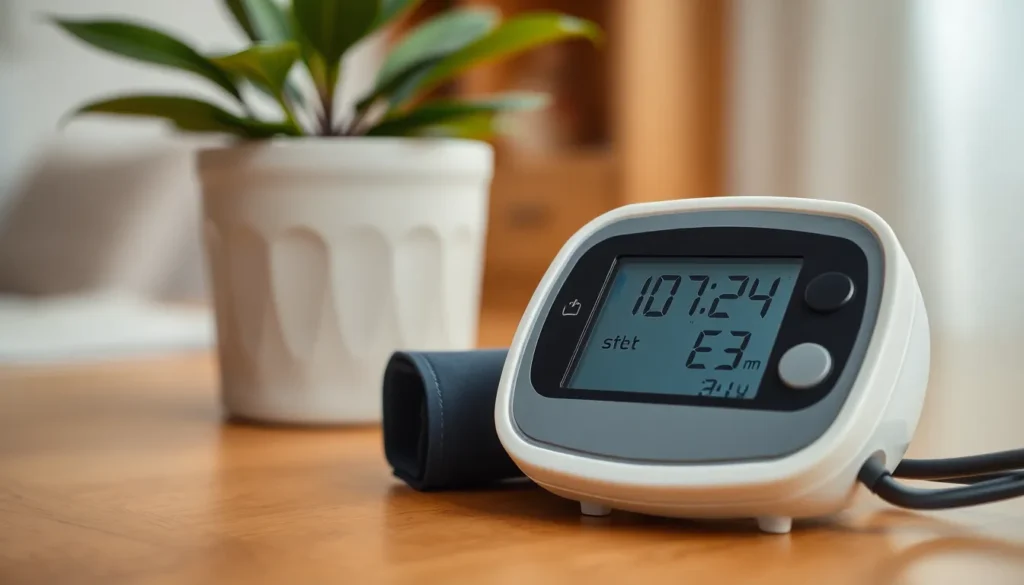
Understanding a blood pressure reading of 107/74 is crucial for evaluating cardiovascular health. This level reflects a systolic pressure of 107 mmHg and a diastolic pressure of 74 mmHg, which typically falls within the normal range.
Is 107/74 Considered Normal?
A blood pressure of 107/74 is generally recognized as normal for most adults. Normal ranges can vary by individual, yet current guidelines often indicate that a reading below 120/80 mmHg is optimal. Consistently normal readings, like 107/74, suggest proper heart function and vascular health. Monitoring blood pressure regularly helps detect any changes over time.
Factors Influencing Blood Pressure Readings
Numerous factors impact blood pressure readings significantly. Age plays a crucial role, with younger individuals tending to have lower pressures. Medication, including antihypertensives, can also lower blood pressure. Lifestyle choices such as diet, exercise, and stress management influence these levels. Ethnicity and genetic predispositions may affect blood pressure regulation. Environmental factors like temperature and altitude also contribute to variations in readings.
Implications of 107/74 Blood Pressure
A reading of 107/74 blood pressure reflects normal levels for most adults. Understanding its implications plays a crucial role in health management.
Health Risks Associated with Low Blood Pressure
Low blood pressure, or hypotension, can lead to various health issues. Dizziness or fainting may occur due to insufficient blood flow to the brain. Fatigue and dehydration can arise from chronic low blood pressure. Additionally, organs might experience reduced blood supply, potentially resulting in long-term health complications. In some cases, fainting spells during physical activity indicate the need for medical evaluation. Individuals with consistently low readings should consider lifestyle modifications or consultations with healthcare professionals.
Benefits of Maintaining Healthy Blood Pressure
Maintaining healthy blood pressure promotes overall heart health. Normal levels reduce the risk of cardiovascular diseases, including heart attacks and strokes. Proper blood pressure supports better organ function, ensuring nutrient delivery throughout the body. Additionally, individuals might experience improved energy levels and overall well-being. Regular monitoring can help identify changes early, facilitating timely interventions. Adopting a balanced diet, exercising, and managing stress contribute to maintaining optimal blood pressure consistently.
Monitoring Your Blood Pressure
Monitoring blood pressure regularly plays a vital role in health management. Acknowledging changes in readings can lead to timely interventions and better health outcomes.
Recommended Practices for Regular Monitoring
Using a reliable blood pressure monitor ensures accurate readings. Check blood pressure at the same time each day for consistency. Maintain a calm environment and sit quietly for five minutes before taking a measurement. Follow the manufacturer’s instructions for your device precisely. Recording readings can help identify trends over time. Aim to take two or three readings and average the results for accuracy. Share this information during healthcare visits to facilitate better assessments.
When to Consult a Healthcare Professional
Consult a healthcare professional if experiencing symptoms like dizziness or fatigue, which may indicate low blood pressure. Persistent readings below 90/60 mmHg warrant attention from a doctor. Monitoring changes, especially with a blood pressure of 107/74, provides insight into potential health issues. Consider discussing medications affecting blood pressure with a professional. Regular appointments help manage cardiovascular health effectively. Responding to significant fluctuations promptly contributes to safer long-term outcomes.
A blood pressure reading of 107/74 is typically seen as normal and reflects a healthy cardiovascular state for most adults. Maintaining such levels is crucial for overall well-being and heart health. Regular monitoring and awareness of individual readings can help detect any changes that may require attention.
Lifestyle choices play a significant role in sustaining optimal blood pressure. Adopting a balanced diet engaging in regular exercise and managing stress can all contribute to better heart health. For those experiencing symptoms related to low blood pressure it’s essential to seek medical advice. Prioritizing heart health through consistent monitoring and proactive management can lead to improved long-term outcomes.