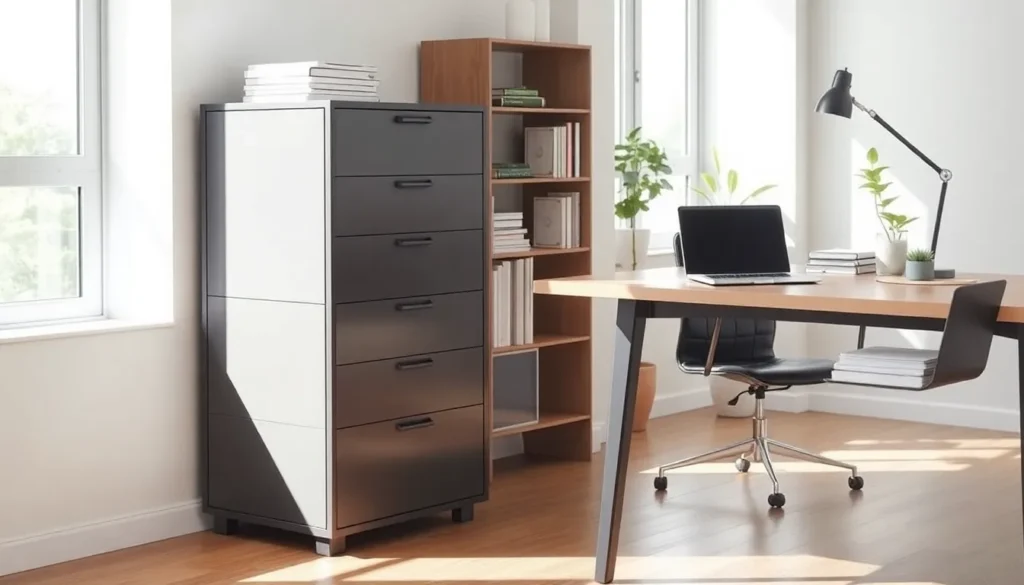
In today’s fast-paced world, the office has transformed from a dull cubicle farm into a tech-savvy haven where innovation thrives. Picture this: sleek gadgets, smart devices, and cloud-based tools working in harmony to boost productivity and keep employees engaged. It’s not just about having the latest tech; it’s about creating an environment that inspires creativity and collaboration.
Overview of Tech-savvy Office
The tech-savvy office incorporates advanced technology to optimize workflows. Employees engage with smart devices that streamline tasks and facilitate communication. Cloud-based tools enhance collaboration by allowing easy access to documents from any location. Productivity levels increase significantly with the implementation of automation software that handles repetitive tasks.
Integration of video conferencing systems enables seamless remote communication. Many teams experience improved connectivity, allowing them to collaborate effectively regardless of physical location. Ergonomic furniture combined with digital tools creates a healthy workspace that promotes well-being. Innovative design elements inspire creativity and encourage teamwork.
Monitoring systems track performance metrics in real time. Such analytics provide valuable insights into employee engagement and efficiency. Additionally, integrating artificial intelligence into daily operations supports data-driven decision-making. Employees can focus on strategic tasks rather than mundane activities, thanks to AI-driven solutions.
Energy-efficient systems contribute to sustainability goals within the office. Many organizations prioritize eco-friendly technology in their overall strategy. Businesses often find cost savings by upgrading to energy-efficient devices. Overall, the tech-savvy office cultivates an environment where technology and people work in harmony, driving success and innovation.
Key Features of a Tech-savvy Office
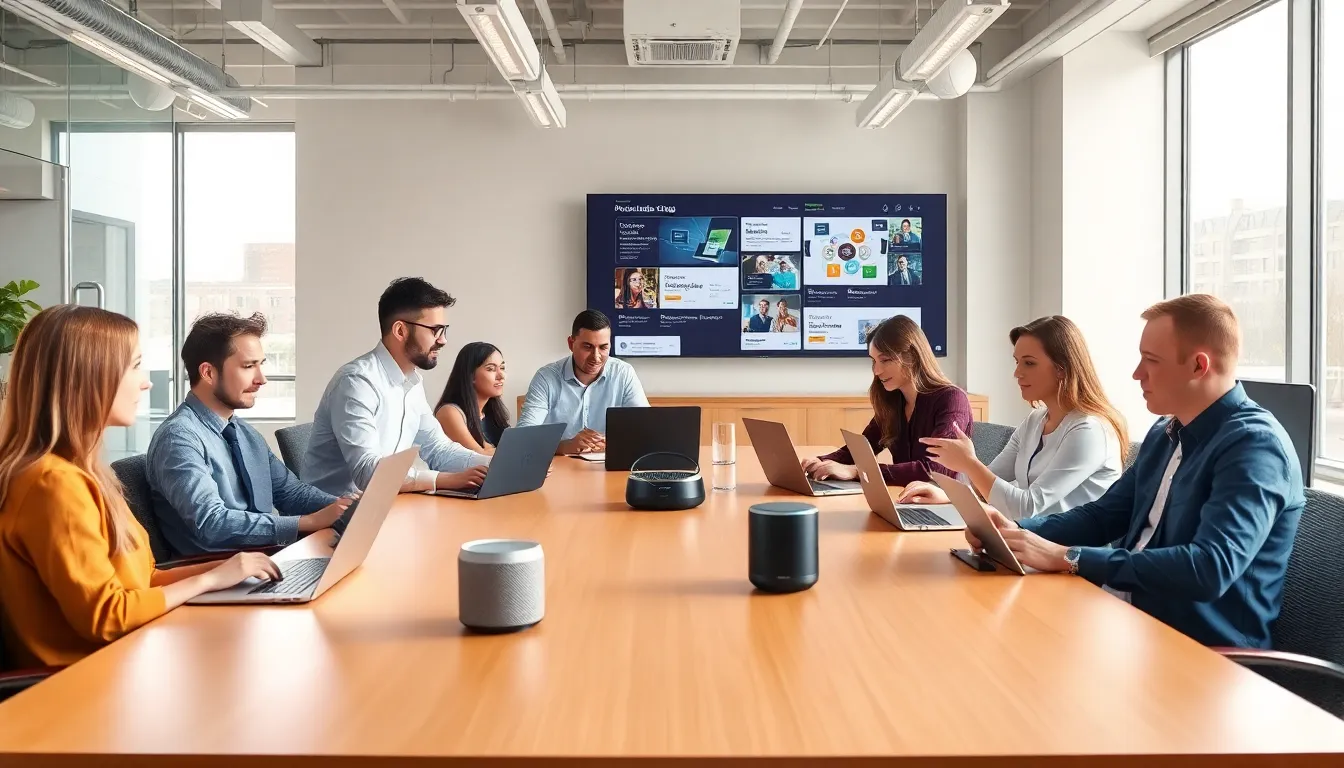
The tech-savvy office includes several essential features that enhance productivity and foster collaboration.
Smart Devices
Smart devices greatly enhance efficiency in the workplace. Employees utilize tablets and smartphones to access information on the go, dramatically increasing their productivity. Smart speakers assist in scheduling meetings and setting reminders, streamlining daily tasks. All-in-one printers simplify the printing, scanning, and faxing processes, reducing time spent on administrative duties. Furthermore, smart lighting adjusts automatically based on natural light, contributing to energy savings and improving employee comfort. These devices not only facilitate seamless communication but also ensure that teams remain connected and engaged in their work.
Collaborative Tools
Collaborative tools play a vital role in enabling teamwork and enhancing project outcomes. Cloud-based platforms like Google Workspace and Microsoft 365 allow teams to co-edit documents in real time, eliminating version control issues. Task management applications, such as Asana and Trello, provide clear visibility into project progress, ensuring everyone stays on track. Video conferencing tools facilitate face-to-face interactions, regardless of geographical location, promoting strong relationships among team members. Additionally, instant messaging apps allow for quick exchanges of ideas and feedback, fostering a culture of open communication. These tools transform the way employees collaborate, making it easier to achieve shared goals.
Benefits of a Tech-savvy Office
A tech-savvy office provides numerous advantages that enhance both productivity and communication among teams. Modern technology optimizes workflows and fosters a collaborative environment.
Increased Productivity
Automation of repetitive tasks boosts employee efficiency. Smart devices enable quick access to information and tools, allowing team members to work efficiently from any location. Cloud-based systems ensure that everyone can collaborate on documents without delays. Monitoring systems offer insights into performance metrics in real-time, allowing managers to identify and address bottlenecks quickly. Employee engagement rises when workers can focus on strategic initiatives rather than mundane activities. Productivity apps streamline task management, ensuring everyone stays on track. An ergonomic workspace with the right tools further contributes to improved focus and comfort.
Enhanced Communication
Seamless communication is a hallmark of a tech-savvy office. Instant messaging apps facilitate quick exchanges of information, making collaboration easy and efficient. Video conferencing tools bridge the geographical gap, allowing teams to connect face-to-face regardless of their physical location. Real-time editing in collaborative platforms enables multiple users to update documents simultaneously, eliminating version control issues. Communication improves with integrated project management software that keeps team members on the same page. Strong relationships among colleagues strengthen through consistent and open dialogues, fostering a more cohesive work culture. Ultimately, technology enhances overall team dynamics and cooperation.
Challenges in Implementing a Tech-savvy Office
Integration of technology in an office presents challenges, particularly with cost and employee adaptability.
Cost Considerations
Initial investments for advanced technology can be substantial. Organizations often face high costs related to purchasing devices, software licensing, and infrastructure upgrades. Additionally, ongoing expenses include maintenance, training, and support for tech solutions. Budget constraints may limit the ability to implement comprehensive tech strategies. Decision-makers might hesitate to allocate funds for new tools, fearing inadequate returns on investment. Companies must evaluate their current technology expenditures against potential gains to justify expenses. Planning for long-term financial impacts of technology adoption remains essential for successful implementation.
Employee Adaptability
Employee resistance can hinder the transition to a tech-savvy office. Some individuals may struggle to embrace new systems or tools due to unfamiliarity. Training programs play a crucial role in facilitating this transition, but not all employees may engage equally. Effective communication about the changes helps to alleviate concerns, fostering a more accepting environment. Feedback mechanisms can identify adaptation challenges and guide support efforts. Encouraging a culture of continuous learning promotes adaptability among team members. Fostering a positive attitude towards technology leads to smoother integration and better utilization of tech resources.
Future Trends in Tech-savvy Offices
The emergence of hybrid work models is significantly impacting the design and functionality of tech-savvy offices. Companies prioritize flexibility, enabling employees to balance remote and on-site work. Some organizations are adopting hot-desking concepts, allowing teams to use shared spaces when in the office, which reduces costs and maximizes resources.
Sustainability continues to gain importance in office design. More businesses invest in energy-efficient systems and renewable technology, driving eco-friendly initiatives. Many workplaces incorporate smart lighting and climate control to reduce energy consumption, aligning environmental goals with operational efficiency.
Furthermore, advanced collaboration tools are rapidly evolving. Companies increasingly rely on augmented reality and virtual reality platforms for immersive team experiences, enhancing remote collaboration. Using these technologies enables employees to interact in virtual settings, strengthening connections regardless of physical distance.
Artificial intelligence also plays a crucial role in shaping the future of offices. Many organizations utilize AI-driven analytics to track employee performance and optimize workflows. The capacity to process vast amounts of data allows for informed decision-making, saving time and increasing productivity.
Voice-activated systems are becoming commonplace, streamlining office tasks. Employees can control devices, set reminders, and manage schedules with simple voice commands, boosting efficiency throughout the workday.
Lastly, ergonomic and wellness-focused furniture designs are gaining traction. Workspaces equipped with adjustable sit-stand desks and biometric monitoring tools promote physical well-being and mental health. Creating an environment that emphasizes comfort and health positively impacts employee engagement and retention.
The tech-savvy office represents a significant shift in how workplaces operate. By embracing advanced technology and innovative design, organizations can foster an environment that enhances productivity and creativity. Smart devices and cloud-based tools streamline workflows and improve communication, while ergonomic furniture contributes to employee well-being.
Investing in a tech-savvy office may pose challenges, but the long-term benefits far outweigh the initial costs. As companies adapt to hybrid work models and prioritize sustainability, they position themselves for future success. Ultimately, creating a tech-savvy office isn’t just about technology; it’s about building a culture that values collaboration and continuous learning. This approach not only drives innovation but also helps retain top talent in an ever-evolving landscape.