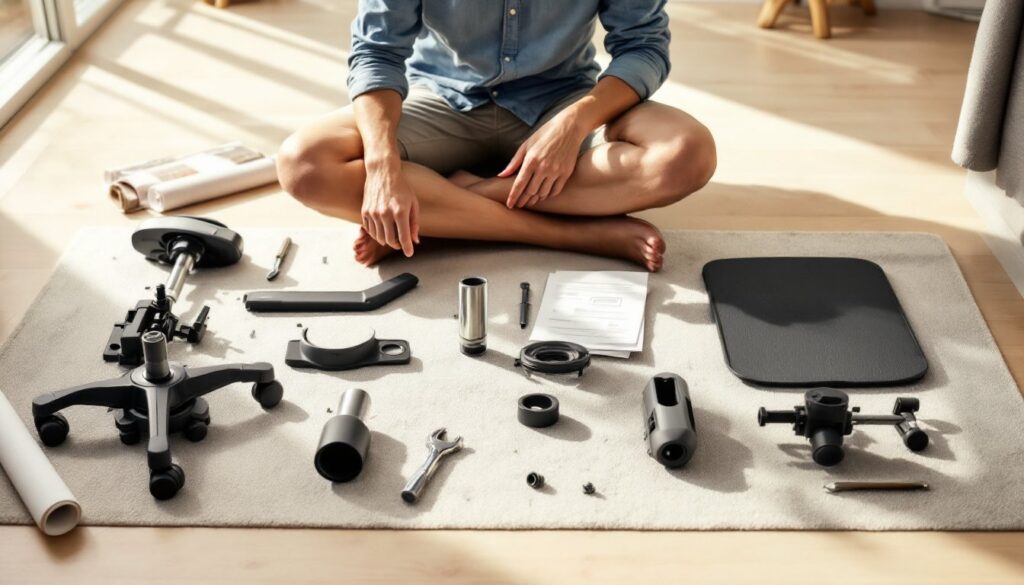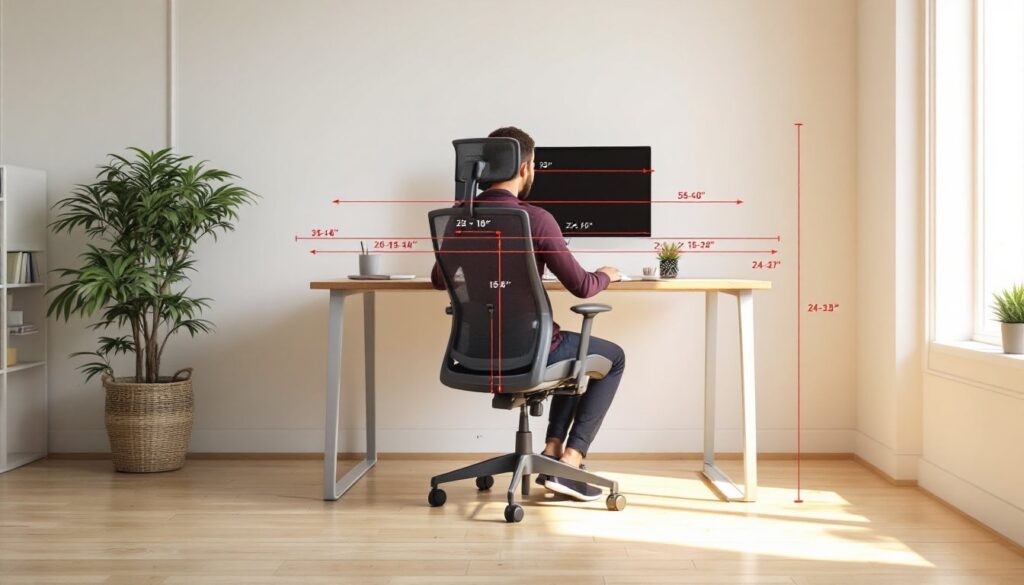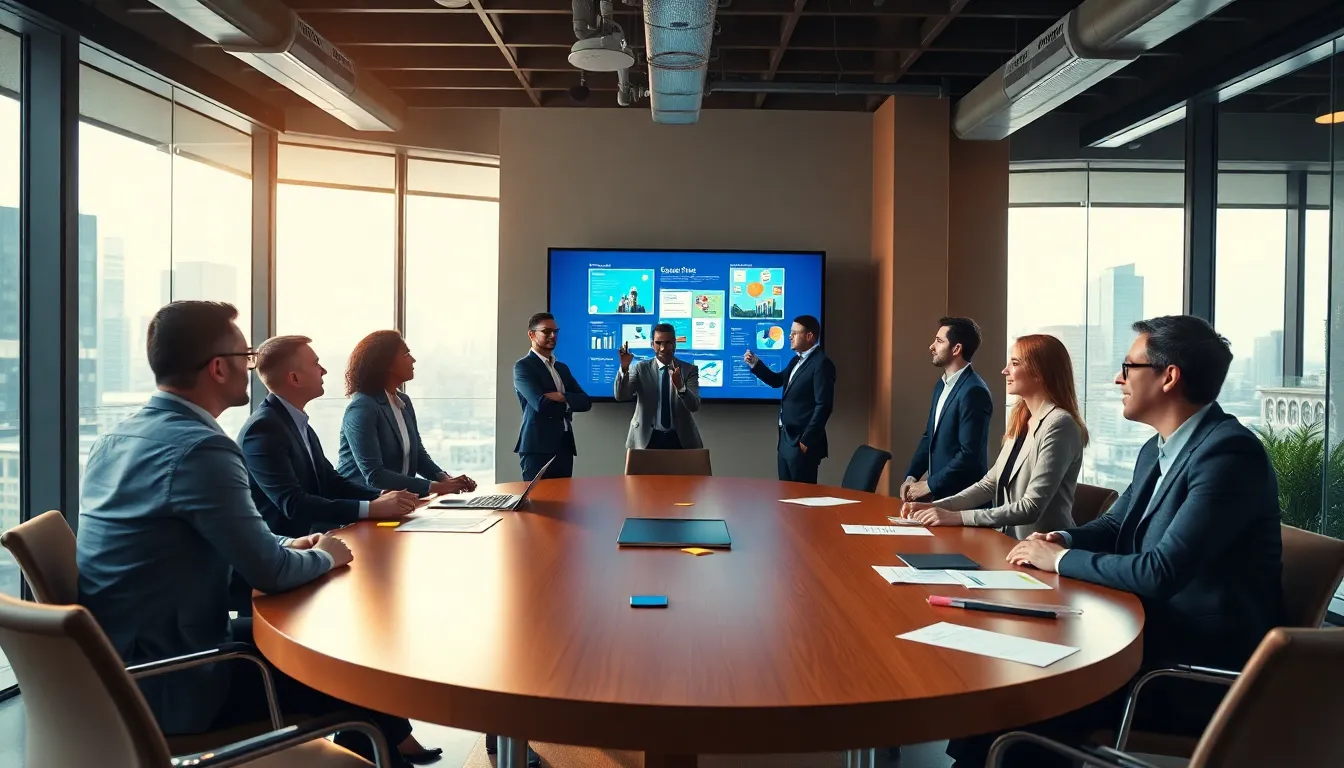

When someone mentions the word “workshop,” what comes to mind? Perhaps a group of people gathered around a table scribbling ideas on sticky notes, or maybe an enthusiastic instructor leading a session through the intricacies of pottery-making, surrounded by clay and laughter. Workshops have become synonymous with creativity and learning, but what does the term really entail? This article dives deep into the concept of a workshop, exploring its various types, purposes, and how to ace the hosting game like a pro. Buckle up because it’s time to redefine what a workshop means to all of us.
The Concept of a Workshop

At its core, a workshop is more than just a gathering: it’s a platform for collective learning, collaboration, and skill development. Unlike traditional classrooms that often revolve around one instructor leading the charge, workshops encourage active participation from everyone involved.
Picture this: a vibrant room buzzing with energy, where people share ideas, tackle problems, and dive deep into hands-on activities. Workshops can range from small groups delving into specific skills, like writing or painting, to large gatherings aimed at brainstorming solutions for complex issues in industries or communities. Essentially, a workshop thrives on interaction and shared experiences, driving home the philosophy that learning is often most effective when done collaboratively.
Types of Workshops
Workshops come in a dazzling array of shapes and sizes, each tailored to serve distinct audiences and objectives. Here are some of the popular types:
Educational Workshops
These sessions focus on imparting knowledge on specific subjects. Think workshops on digital marketing, creative writing, or public speaking. They aim for participants to walk away with tangible skills and insights.
Skill-Building Workshops
Niche-specific and hands-on, these workshops hone specific skills. Examples include crafting workshops, coding boot camps, or design thinking sessions, where participants learn by doing.
Team-Building Workshops
Designed to improve team dynamics, these workshops often involve activities that promote collaboration, trust, and communication. Perfect for corporate settings, they can involve everything from obstacle courses to problem-solving games.
Creative Workshops
These sessions encourage artistic expression and innovation. Participants might learn painting techniques, photography basics, or how to write compelling stories. The primary goal is to unleash creativity and inspire participants.
Each type serves its unique purpose, catering to various audiences and accommodating a wide range of learning styles.
Purpose and Benefits of Workshops
Workshops are not merely fancy meet-ups: they’re powerful tools for personal and professional development. Here are some of the chief purposes and benefits:
Skill Acquisition
Workshops are designed to help the acquisition of new skills or enhance existing ones. Whether it’s learning how to use a specific software or exploring advanced cooking techniques, participants leave feeling accomplished.
Networking Opportunities
They provide a unique environment for participants to connect, share ideas, and forge relationships. This can lead to collaborations and projects that extend well beyond the workshop itself.
Problem-Solving
Workshops often tackle specific challenges. When brains come together with diverse perspectives, innovative solutions emerge, making it easier to address real-world issues.
Motivation and Inspiration
Attending a workshop can spark enthusiasm. Engaging with passionate facilitators and like-minded individuals can reignite zest for learning and personal growth.
Practical Learning
Unlike theory-heavy courses, workshops emphasize doing. This hands-on experience solidifies understanding and boosts confidence in applying new skills in real-life situations.
Key Components of an Effective Workshop
Planning a successful workshop isn’t just about gathering people in one room. Various elements contribute to making an effective session:
Clear Objectives
Every workshop should start with defined goals. What do facilitators want participants to learn or achieve? Clear objectives set the tone and help steer the direction.
Engaging Content
Content should not just be informative but also engaging. Accompanying visuals, interactive activities, and real-world examples keep participants interested and help learning.
Skilled Facilitation
The facilitator plays a crucial role in guiding discussions, managing group dynamics, and keeping participants on task. A good facilitator adapts their style to the audience, ensuring everyone feels included.
Adequate Resources
Providing necessary resources, like materials, tools, or equipment, ensures participants can fully engage in activities. Planning for technology needs ahead of time can eliminate hiccups.
Feedback Mechanisms
Collecting feedback at the end allows facilitators to evaluate success and areas for improvement. It’s a crucial step for refining future workshops.
How to Organize a Workshop
Organizing a workshop might seem daunting, but with a strategic approach, it can be a rewarding experience. Here’s a step-by-step guide:
Define Your Purpose
Identify what the workshop aims to achieve. Is it skill development, team-building, or brainstorming solutions? Knowing your purpose helps in communication and marketing.
Choose Your Audience
Understanding who the workshop is for will affect everything from the content to the marketing strategy. Tailor your approach based on the audience’s needs and expectations.
Select a Venue
The venue should be accessible and conducive to interaction. Consider the number of participants, technology needs, and seating arrangements to foster engagement.
Plan the Content
Develop a comprehensive outline that includes session topics, activities, and timelines. Balance theory and practice to maximize engagement.
Promote Your Workshop
Use social media, email newsletters, and community networks to spread the word. Highlight the benefits participants will glean, and make registration easy.
Prepare for the Day
As the day approaches, ensure all resources are ready, tech is set up, and activities are rehearsed. Being organized sets the tone for the day.
Best Practices for Workshop Facilitation
Facilitating an effective workshop requires a blend of skills and strategies. Here are some best practices:
Foster an Inclusive Environment
Encourage everyone to contribute and ensure all voices are heard. Use icebreakers or small-group discussions to help participation.
Stay Flexible
Things might not always go according to plan: be ready to adapt. Whether it’s a change in energy levels or unexpected questions, flexibility can enhance the workshop experience.
Use Varied Teaching Methods
Incorporate a mix of instructional styles, such as visual aids, group discussions, hands-on activities, and lectures. This keeps participants engaged and caters to different learning styles.
Keep Time
Monitoring the schedule allows for ample coverage of all topics while ensuring there’s enough time for questions and discussions. Consider appointing a timekeeper if necessary.
Evaluate
End with a debriefing session to gather insights on the workshop. Discuss what went well and what could be improved, making it a continuous learning process for future events.